The Situation in Iran Is Worse Than We Thought
 Paul J. Warburg
25 min
The US failed to destroy Iran's nuclear program, forcing it to seek regime change via protests while Iran uses this stalemate to buy time. Iran is exploiting US hesitation to delay conflict while strengthening its position against internal threats.
-
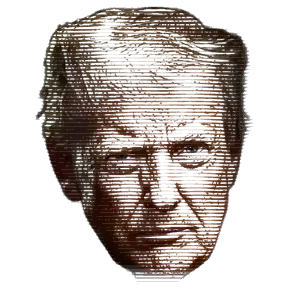 Donald Trump
Chapters
-
0:00
The High Probability of Conflict
Energy experts predict a high likelihood of US attack due to nuclear program failures and regime instability. US strikes failed to destroy Iran's nuclear capability, forcing negotiations instead of regime change.
-
14:06
The Protest Leverage
Internal protests give Iran leverage; US support for protesters is a tactic to force nuclear concessions.
-
16:44
Mutual Entrapment
Both sides have revealed their hands, backing each other into a corner where negotiation is difficult.
-
21:07
Iran's Strategy of Delay
Iran uses US hesitation to buy time, strengthening its position while protests fade.
Key points
- 0:00
Energy experts predict a 75% chance of US attack in coming days or weeks.
- 0:17
Global energy prices rise as markets price in the risk of conflict over the Strait of Hormuz.
- 3:46
The US lacks sufficient assets around Iran for a full-scale war at this moment.
- 3:46
Iran is more likely to close the Strait of Hormuz because the regime faces an existential crisis.
- 9:30
The US seeks regime change as a backdoor way to achieve its nuclear goals if force fails.
- 14:06
US support for protesters is a tactic to leverage concessions rather than moral concern.
- 19:03
Explicit calls for overthrow reduce Iran's incentive to negotiate with the current regime.
- 21:07
Iran uses US hesitation revealed in Ukraine negotiations to buy time and strengthen defenses.
Who and where
People · 1
-
Donald Trump 4
President of the United States (2017–2021; since 2025)
Photo 1
1. Photo: Daniel Torok, Public domain, via Wikimedia Commons · Wikidata · redrawn in our house style (Donald Trump)
Related episodes
The FULL Story on the Iran War That You Aren’t Being Told
Paul J. Warburg
The US is attacking Iran primarily to achieve regime change rather than just stopping nuclear development. While a long war could hurt the global economy and briefly help Russia, Ukraine gains strategic leverage by providing essential air defense technology.
What You AREN’T Being Told About the War in Iran
Paul J. Warburg
The war in Iran consists of two distinct conflicts where the US wins the first but loses the second. The US will declare victory in the first war while ignoring the second, effectively losing it.
The Iran Protests are Becoming Truly Insane
Paul J. Warburg
Autocratic regimes fall when they must use their power to repress people, weakening themselves until the people have nothing left to lose. The Iranian regime will almost certainly collapse within a lifetime.
Why Russians are Panicking About the War in Iran - with Professor Gerdes
Paul J. Warburg
America First policies weaken the U.S. reserve currency status and create power vacuums for rivals like China. The world is heading toward a more chaotic place where conflicts continue in different formats due to unchanging human nature.
The War in Iran Just Changed the Calculus on China’s Invasion of Taiwan
Paul J. Warburg
The war in Iran reveals that while it creates a theoretical window for China to attack Taiwan, the conflict actually makes a successful invasion much less likely due to China's lack of readiness and the rise of asymmetric warfare. In the specific context of an invasion of Taiwan, it's probably more cons than pros.
AI-generated summary · model qwen3.5:9b-12k · prompt version whole-3.window-7.combine-10.s-f4be8e ·
video id q2mEuKAjgVI ·
Watch on YouTube