What You AREN’T Being Told About the War in Iran
 Paul J. Warburg
28 min
The war in Iran consists of two distinct conflicts where the US wins the first but loses the second. The US will declare victory in the first war while ignoring the second, effectively losing it.
-
 Donald Trump
Chapters
-
0:00
The Shift in Trump's Stance
Trump initially criticized allies for interfering, then blamed them for not helping enough.
-
5:56
The Two-War Reality
The conflict consists of two distinct wars: one the US wins, and one it likely loses. US forces excel at shock and awe, quickly disabling missiles, drones, and navy.
-
8:15
Failure in Nation-Building
The US historically fails at stabilizing regions after military victories, as seen in Iraq and Afghanistan.
-
15:22
Geographic and Strategic Advantages
Iran's size, mountains, and connection to Russia make it harder to occupy than Iraq or Afghanistan.
-
19:07
Centralized Population
Unlike divided Iraq or Afghanistan, Iran's 90 million people remain centralized under the regime.
-
20:08
Increased Terror Threat
Military action may radicalize populations, increasing sporadic terror attacks even if organized networks weaken.
-
22:52
Strait of Hormuz Risks
Iran will likely continue to disrupt shipping via drones despite US claims of eliminating stockpiles. The US will declare victory in the first war while ignoring the second, effectively losing it.
-
25:17
Long-Term Consequences
Unresolved issues will fester, potentially worsening the situation while China exploits US weakness.
-
26:22
Media Complexity
Most media reports only one side of the conflict rather than the full complex reality.
Key points
- 0:00
Trump initially criticized allies for interfering, then blamed them for not helping enough.
- 5:56
The conflict consists of two distinct wars: one the US wins, and one it likely loses.
- 5:56
US forces excel at shock and awe, quickly disabling missiles, drones, and navy.
- 8:15
The US historically fails at stabilizing regions after military victories, as seen in Iraq and Afghanistan.
- 22:52
Iran will likely continue to disrupt shipping via drones despite US claims of eliminating stockpiles.
- 15:22
Iran's size, mountains, and connection to Russia make it harder to occupy than Iraq or Afghanistan.
- 19:07
Unlike divided Iraq or Afghanistan, Iran's 90 million people remain centralized under the regime.
- 20:08
Military action may radicalize populations, increasing sporadic terror attacks even if organized networks weaken.
- 22:52
The US will declare victory in the first war while ignoring the second, effectively losing it.
- 25:17
Unresolved issues will fester, potentially worsening the situation while China exploits US weakness.
Who and where
People · 1
-
Donald Trump 6
President of the United States (2017–2021; since 2025)
Photo 1
1. Photo: Daniel Torok, Public domain, via Wikimedia Commons · Wikidata · redrawn in our house style (Donald Trump)
Related episodes
The FULL Story on the Iran War That You Aren’t Being Told
Paul J. Warburg
The US is attacking Iran primarily to achieve regime change rather than just stopping nuclear development. While a long war could hurt the global economy and briefly help Russia, Ukraine gains strategic leverage by providing essential air defense technology.
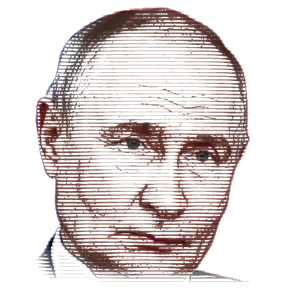

The Blockade of Iran Begins
Peter Zeihan
To pressure the IRGC effectively, the US must block oil exports and prevent drone imports. The blockade is the first action that successfully targets the IRGC's specific financial interests.
The Situation in Iran Is Worse Than We Thought
Paul J. Warburg
The US failed to destroy Iran's nuclear program, forcing it to seek regime change via protests while Iran uses this stalemate to buy time. Iran is exploiting US hesitation to delay conflict while strengthening its position against internal threats.
America’s Decline is Worse Than You Think
Paul J. Warburg
Military dominance actually historically is a measure of willpower. The threat is that we lose access to the system that has supported the biggest wealth-gaining capabilities, really, in history, especially for a population our size.
Why Russians are Panicking About the War in Iran - with Professor Gerdes
Paul J. Warburg
America First policies weaken the U.S. reserve currency status and create power vacuums for rivals like China. The world is heading toward a more chaotic place where conflicts continue in different formats due to unchanging human nature.
AI-generated summary · model qwen3.5:9b-12k · prompt version whole-3.window-7.combine-10.s-f4be8e ·
video id X6vSC-32Tlo ·
Watch on YouTube