Why I'm Bullish on Southeast Asia
 Peter Zeihan
5 min
Southeast Asia is well positioned to take advantage of both regional trade and demographics. These countries look good on their own.
Chapters
-
0:00
Globalization Shifts to Regional Networks
The speaker explains that smaller countries struggle in current globalization but can thrive in regional blocs like ASEAN.
-
0:20
Demographics Favor Southeast Asia
The speaker notes these nations are young and industrializing quickly, creating a balanced workforce.
-
2:33
Diverse Economic Structure Within Region
The speaker highlights a full production suite ranging from advanced finance to low-end assembly. The speaker argues these countries have not fought one another for over a thousand years.
Key points
- 0:20
Smaller countries struggle to carve out niches in current globalization unless they cohere into bigger blocks.
- 0:20
Countries must be reevaluated on demographics regarding future workforce and consumption bases.
- 0:20
Southeast Asia is well positioned to take advantage of both regional trade and demographics.
- 0:20
The Association of Southeast Asian Nations already negotiates trade deals with major global powers.
- 0:20
Vietnam and Indonesia possess a balance of mature capital workers and lower-end labor.
- 2:33
Singapore serves as an advanced manufacturing country and financial hub within the network.
- 2:33
Malaysia and Thailand hold high positions in automotive and computing industries since their start.
- 2:33
Vietnam is rapidly moving up the value-added chain and may surpass China within five years.
- 2:33
The region offers a full production suite from low-end assembly to high-end finance.
- 2:33
These countries have not fought one another for over a thousand years due to geography.
- 2:33
The lack of historical warfare makes Southeast Asia look good even without big globalization.
Related episodes
How Was Trump's Trip to Asia?
Peter Zeihan
Trade relationships with aging nations must eventually go to zero regardless of political reasons. The back and forth and the ebb and flow continues without final resolution.


 3:41
China Gets a New Base in Southeast Asia
Peter Zeihan
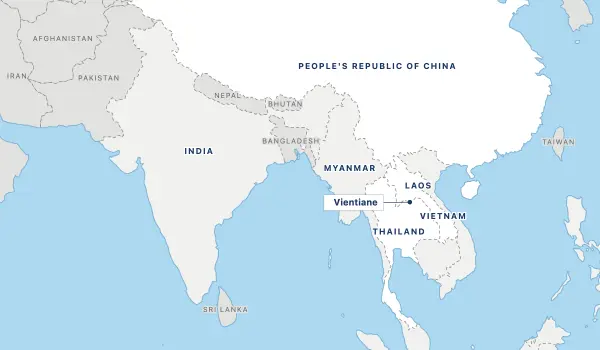
China is building a self-sufficient base in Laos to project power across Southeast Asia despite the high risk of conflict with Thailand. Thailand represents a significant strategic hurdle because it is the most capable country in the region with a history of resisting foreign control.
The End of the WTO
Peter Zeihan
The collapse of the WTO will trigger decades of conflict among states and within states as existing models fail. The collapse of the WTO will trigger decades of conflict among states and within states as existing models fail.
Myanmar Is More Important Than You Think
Peter Zeihan
Myanmar holds strategic value for global manufacturing, drug supply reduction, and Chinese trade alternatives. December elections will determine if Myanmar becomes a step toward Western access or remains under military control.
Lessons From Japan's Demographic Collapse
Peter Zeihan
Aging populations combined with broken supply chains create de-civilizational risks for nations outside the US-Japan alliance. Aligning with Japan and the US provides the most favorable security and economic access.
AI-generated summary · model qwen3.5:9b-12k · prompt version whole-3.window-7.combine-10.s-f4be8e ·
video id gYnAgWRcZPM ·
Watch on YouTube