How Was Trump's Trip to Asia?
 Peter Zeihan
8 min
Trade relationships with aging nations must eventually go to zero regardless of political reasons. The back and forth and the ebb and flow continues without final resolution.
-
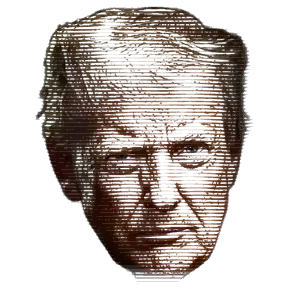 Donald Trump
-
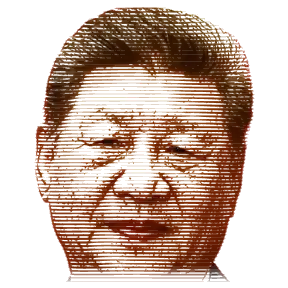 Xi Jinping
Chapters
-
0:00
The Demographic Shift in Asia
Northeast Asia faces national dissolution due to aging, while Southeast Asia offers healthy demographics for trade growth. Tariff policies have been erratic, with high rates on Southeast Asia penalizing American companies moving away from China.
-
2:56
Limited Progress with Vietnam
Vietnam is the most important potential trade partner due to its advanced technology and large workforce.
-
3:17
Korean Investment Deal
South Korea agreed to dump over $150 billion in investment to the United States in exchange for lower tariff rates.
-
5:15
The Chinese Trade Agreement
China agreed to limit fentanyl precursor exports and start buying soy in exchange for reduced tariff rates. The United States lacks a staffed team to enforce trade deals, leading to a return to previous conditions.
-
7:29
Ongoing Trade Chaos
The United States has now implemented 540 tariff policies since January 20th, creating ambient chaos.
-
7:54
Continuing Negotiations
The back and forth between the United States and Asian nations will continue without final resolution.
Key points
- 0:00
Northeast Asian countries are aging into national dissolution.
- 0:00
Trade relationships with aging nations must eventually go to zero.
- 0:00
Southeast Asian demographics are broadly healthy and positive for trade.
- 0:00
Tariff policies under Trump have been erratic and confusing.
- 0:00
High tariffs on Southeast Asia penalize American companies moving away from China.
- 2:56
Vietnam is the most important potential trade partner due to its workforce.
- 3:17
South Korea agreed to dump over $150 billion in investment to the United States.
- 5:15
China agreed to limit fentanyl precursor exports and start buying soy.
- 5:15
The United States lacks a staffed team to enforce trade deals.
- 7:29
The United States has implemented 540 tariff policies since January 20th.
Who and where
People · 2
-
Donald Trump 12
President of the United States (2017–2021; since 2025)
Photo 1
-
Xi Jinping 2
General Secretary of the Chinese Communist Party since 2012 (born 1953)
Photo 2
1. Photo: Daniel Torok, Public domain, via Wikimedia Commons · Wikidata · redrawn in our house style (Donald Trump)
2. Photo: Presidencia de la República del Ecuador, Public domain, via Wikimedia Commons · Wikidata · redrawn in our house style (Xi Jinping)
Related episodes
All That Bitchin' Won't Keep China Around
Peter Zeihan
The trade relationship with China is going to zero regardless of tariffs or politics. Everyone needs to plan for a world without China sooner or later.
Trump Gets Introduced to Section 301
Peter Zeihan
Trump is forced to use the slow Section 301 process because his arbitrary tariff approach was ruled illegal and he lacks the political power to get broader authority from Congress. The administration is stuck in a stall because the legal path is blocked and the political path is unavailable.

The Fire Hose of Chaos: Don't Expect Many Trade Deals
Peter Zeihan
The United States isn't ready to have these talks because it is organizationally unprepared and operates with erratic policies. Real trade talks cannot begin until the erratic policy environment settles down.
Trump’s Tariffs: Reciprocal Edition + Live Q&A
Peter Zeihan
The new tariffs will wreck the relationship with Southeast Asia and cause a year-long recession. We are easily looking at a recession that is going to last a year.
While I Was Gone, Part 1: Trade Policy Updates
Peter Zeihan
The current trade policy creates a significant breakdown of American manufacturing due to legal uncertainty and lack of government staffing. The situation remains unfavorable for the United States regardless of the Supreme Court's final decision on tariffs.
AI-generated summary · model qwen3.5:9b-12k · prompt version whole-3.window-7.combine-10.s-f4be8e ·
video id 4SUQmmrhqjc ·
Watch on YouTube