This Trump Move Was Easy to Miss — But It Explains a Lot
 Paul J. Warburg
23 min
The administration is internally weak and panicked, pursuing short-term political gains through harmful policies to secure power before midterms. The administration feels nervous about its approval ratings and is pursuing long-term damage to hang on to short-term power.
-
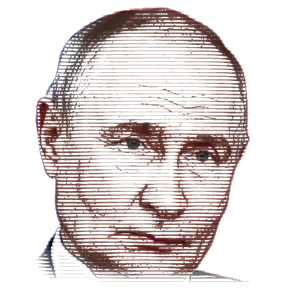 Vladimir Putin
-
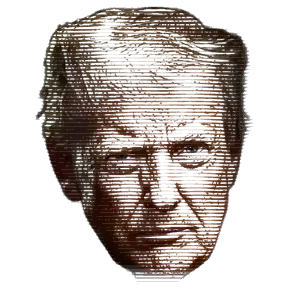 Donald Trump
Chapters
-
0:00
Internal Panic vs External Noise
While international events dominate headlines, the administration's internal struggle for support reveals a lack of confidence in its policies.
-
2:20
Unpopular Policies and Weakness
The video details how unpopular moves regarding Epstein files, Venezuela, and Greenland show the administration is losing even Republican support. The video identifies housing policies designed for short-term affordability as a key strategy to gain votes before midterms.
-
9:25
Short-Term Gains, Long-Term Harm
Proposed measures like 50-year mortgages and rate cuts will worsen the long-term housing crisis.
-
13:23
The College Loan Precedent
The video uses the example of student loans to prove that making financing easier often destroys long-term affordability.
-
15:48
Economic Fundamentals Ignored
Buyers bid on monthly payments, so easier financing drives up prices rather than solving supply issues.
-
20:21
Psychological Parallel to Putin
Trump's internal weakness mirrors Vladimir Putin's, as both pursue long-term harm to secure short-term power.
Key points
- 0:00
International headlines distract from the administration's internal struggle for support.
- 2:20
The administration is losing popularity even among Republican voters on key issues.
- 2:20
Unpopular moves in Greenland and Venezuela forced the administration to back down quickly.
- 7:44
Housing policies are being used to win undecided younger voters before midterms.
- 15:48
Buyers bid on monthly payments, so easier financing drives up asset prices.
- 17:53
The administration ignores supply constraints to solve a political problem temporarily.
- 20:21
Trump's internal panic mirrors Putin's reliance on short-term gains over long-term stability.
- 20:21
The administration feels weak and is flailing to find support among average Americans.
- 18:54
The administration is abandoning its own principles to mimic the tactics it previously criticized.
Who and where
People · 2
-
Donald Trump 18
President of the United States (2017–2021; since 2025)
Photo 1
-
Vladimir Putin 2
President of the Russian Federation
Photo 2
1. Photo: Daniel Torok, Public domain, via Wikimedia Commons · Wikidata · redrawn in our house style (Donald Trump)
2. Photo: Пресс-служба Президента России, CC BY 4.0, via Wikimedia Commons · Wikidata · redrawn in our house style (Vladimir Putin)
Related episodes

The U.S. Dollar: Short vs. Long Term
Peter Zeihan
The U.S. dollar will rise over decades due to structural strengths but drop in the short term due to active policy choices. The result is at the moment, in a moment of global crisis, surprisingly small gains for the US dollar.
The FULL Story on the Iran War That You Aren’t Being Told
Paul J. Warburg
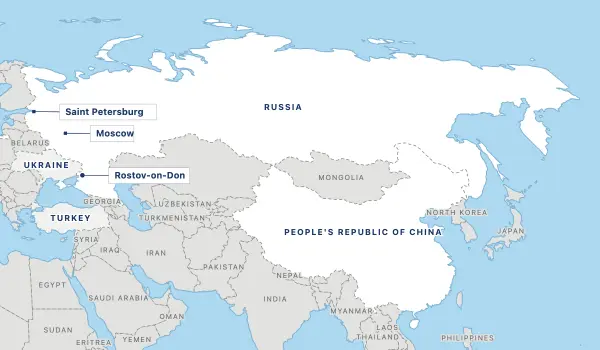
The US is attacking Iran primarily to achieve regime change rather than just stopping nuclear development. While a long war could hurt the global economy and briefly help Russia, Ukraine gains strategic leverage by providing essential air defense technology.
 11:31
What Does Life After Donald Trump Look Like?
Peter Zeihan
Trump has destroyed the Republican Party's institutional capacity and mirrors the fragile personalist regimes of China and Russia. When these leaders leave, the result will be quick and complete collapse because governance is them.
 +5
Trump and Putin Split, Ukraine Gets Aid Again
Peter Zeihan
Trump's potential overreaction could trigger erratic military and economic policies that cause long-term problems. These actions will fall under the category of things that you wish for don't always go the way that you were hoping.

While I Was Gone, Part 3: Economic Status
Peter Zeihan
The Trump administration is pushing the US toward a constrained managed demand model that sacrifices efficiency for government control. The US should wait and observe other nations before adopting any new economic system, ensuring it is coherent and geared toward American strengths.
AI-generated summary · model qwen3.5:9b-12k · prompt version whole-3.window-7.combine-10.s-f4be8e ·
video id PI-AAXI_oSo ·
Watch on YouTube