Good Luck, Texas (Prepare for the Cold Front)
 Peter Zeihan
4 min
Texas faces significant but manageable risks from the cold front due to its isolated grid and regional production vulnerabilities. Recent infrastructure improvements suggest sporadic outages are possible, but mass blackouts are unlikely.
Chapters
-
0:00
Texas Power Grid Isolation
The eastern US power grid is interconnected, but Texas operates independently due to its resistance to federal regulation. Ice accumulation on lines, extreme temperature demand, and frozen natural gas pipelines pose three specific risks. Texas has improved stability by burying pipelines underground, unlike previous practices where they were left exposed.
-
2:06
Regional Production Variance
The impact depends on the ice line affecting three distinct production regions: Barnett Shale, Eagleford, and Permian. The Dallas-Fort Worth area faces high risk because its primary natural gas source is almost exclusively located there.
-
2:26
Eagleford Region Uncertainty
While Eagleford usually stays warm enough to avoid freezing issues, this storm may bring significant ice accumulation.
-
3:02
Permian Basin Safety
The Permian Basin in the west remains safe because Gulf Stream currents push the cold air further east. Despite risks, sporadic power outages are expected rather than mass blackout events due to recent improvements.
Key points
- 0:00
Texas operates on its own power grid separate from the eastern United States.
- 0:00
Ice accumulation on power lines causes them to snap under stress.
- 0:00
Extreme cold increases energy demand, creating additional system stress.
- 0:00
Freezing temperatures can clog natural gas pipelines with ice.
- 0:00
Texas has buried more pipelines underground to prevent freezing.
- 2:06
The Barnett Shale region relies almost exclusively on natural gas.
- 2:26
The Eagleford region usually stays warm enough to avoid freezing issues.
- 3:02
The Permian Basin remains safe due to Gulf Stream currents pushing cold air east.
- 3:02
Mass blackout events are unlikely despite sporadic power outages.
Related episodes
Navigating Reindustrialization in a Deglobalized World
Peter Zeihan
Deglobalization and tariffs will prevent a broad civilian economic boom despite increased defense spending, as the necessary infrastructure for industrialization cannot be built quickly enough. The civilian sector will not benefit from the military buildup, and critical technologies like AI will face decades of delay due to supply chain constraints.

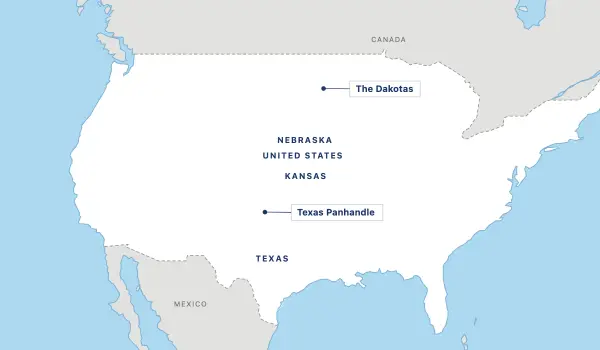
Where Would I Put a US Semiconductor Fab?
Peter Zeihan
The Midwest is the only viable location for a full semiconductor sector transplant. The obstacles are many, but the investments will be huge.
 3:35
What Happens When Fossil Water Runs Out?
Peter Zeihan
Three regions will cease to be agriculturally producing zones within the next 20 to 30 years. The problem is honestly drilling for water in these zones.
The Highs and Lows of Burgum's Energy Strategy
Peter Zeihan
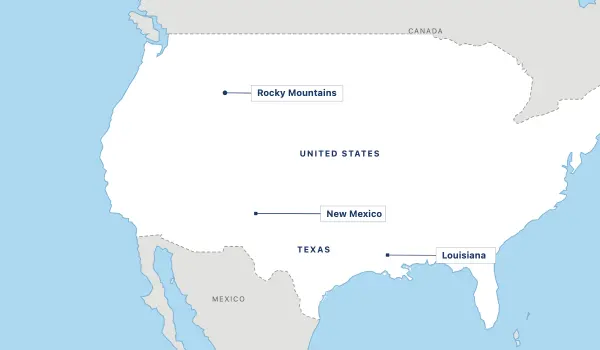
The shift to fossil fuels is driven by economic necessity and a specific geopolitical strategy against Russia. The current foreign policy team lacks competence, making the pragmatic energy strategy even more critical despite its long timeline.

 5:22
The Problem with the U.S. Power Grid
Peter Zeihan
The U.S. cannot unify its power grids soon because geography and local authority barriers prevent efficient long-distance transmission. Real progress requires adjacent jurisdictions to share resources before attempting national grid unification.
AI-generated summary · model qwen3.5:9b-12k · prompt version whole-3.window-7.combine-10.s-f4be8e ·
video id C6ktyM1Gl60 ·
Watch on YouTube