Trump's New Plan for the Economy is Worse Than You Think
 Paul J. Warburg
33 min
Trump's economic policies represent a dangerous shift toward central planning that contradicts Republican principles and risks catastrophic failure. The American people must recognize this overstep of authority and pay for the taxes they voted on to decide if this is the direction they want.
-
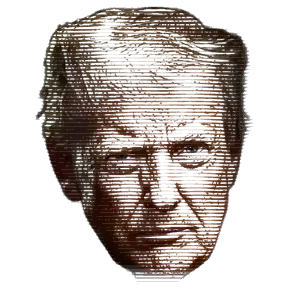 Donald Trump
Chapters
-
0:00
The Warning of Central Planning
Historical examples show that centrally planned economies lead to disastrous outcomes like famine and death, a risk the speaker believes the US is now facing under current leadership. The speaker cites Trump's own words comparing himself to a store manager who sets prices and decides which products should be made, indicating a desire for direct economic control.
-
13:19
The Mechanism of Tariffs
The speaker argues that Trump is using tariffs to force businesses to absorb costs rather than consumers, effectively dictating business strategy and consumption habits.
-
25:35
The Economic Irony
The speaker highlights the contradiction where Republicans historically opposed taxing the rich, yet now demand wealthy corporations pay tariffs that hurt average consumers.
-
28:13
The Business Reality
The speaker asserts that forcing companies like Walmart to pay tariffs is economically impossible and would destroy their businesses because their profit margins are too low.
-
29:57
The Verdict on Leadership
The speaker concludes that Trump's actions demonstrate a lack of understanding or honesty, labeling him a liar regardless of his intent.
Key points
- 0:00
The United States has moved much closer to a centrally planned government economy than ever before in the speaker's lifetime.
- 0:40
Centrally planned economies historically result in massive disasters, such as famines causing tens of millions of deaths under Stalin and Mao.
- 0:40
Overconfident leaders assume they know better than everyone else and try to dictate what goods people should buy and sell.
- 0:00
Trump compared himself to a store manager who owns the store and sets prices for shoppers.
- 10:56
Trump stated he has a list of products he does not want manufactured in the United States.
- 13:19
Trump told people they do not need to have 30 dolls, implying he should decide how much stuff people own.
- 16:13
The government is trying to force businesses like Walmart and Apple to pay tariffs instead of passing costs to consumers.
- 25:35
Republicans historically argued against taxing the rich because companies would pass costs to consumers, yet now demand companies pay.
- 28:13
Forcing Walmart to pay tariffs is impossible because their profit margins are far lower than the tariff rate.
- 29:57
Trump's strategy either shows he is a liar or lacks business understanding, leading to chaos and unintended consequences.
Who and where
People · 1
-
Donald Trump 31
President of the United States (2017–2021; since 2025)
Photo 1
1. Photo: Daniel Torok, Public domain, via Wikimedia Commons · Wikidata · redrawn in our house style (Donald Trump)
Related episodes

The Fire Hose of Chaos: Corruption
Peter Zeihan
The current system forces American importers and businesses to bribe the people who do spot checks. Arbitrary policies imposed by tweet will cause an erosion of rule of law throughout the corporate world.
Why is America Intentionally Destroying its Global Influence?
Paul J. Warburg
America is intentionally destroying its global influence by refusing to pay the costs of protection and trade. The US must change its narrative and embrace strategies that uphold global trust to avoid self-destruction.
Trump and Putin Split, Ukraine Gets Aid Again
Peter Zeihan
Trump's potential overreaction could trigger erratic military and economic policies that cause long-term problems. These actions will fall under the category of things that you wish for don't always go the way that you were hoping.

While I Was Gone, Part 3: Economic Status
Peter Zeihan
The Trump administration is pushing the US toward a constrained managed demand model that sacrifices efficiency for government control. The US should wait and observe other nations before adopting any new economic system, ensuring it is coherent and geared toward American strengths.
The U.S. Dollar: Short vs. Long Term
Peter Zeihan
The U.S. dollar will rise over decades due to structural strengths but drop in the short term due to active policy choices. The result is at the moment, in a moment of global crisis, surprisingly small gains for the US dollar.
AI-generated summary · model qwen3.5:9b-12k · prompt version whole-3.window-7.combine-10.s-f4be8e ·
video id 9bdrhvWhHKI ·
Watch on YouTube