Is Russia Preparing to Attack Sweden?
 Paul J. Warburg
19 min
Russia is likely planning a long-term test of NATO unity rather than an immediate invasion. The public should recognize these strategies as annoying rather than scary and continue supporting Ukraine.
Chapters
-
0:00
Russia's Strategic Test of NATO
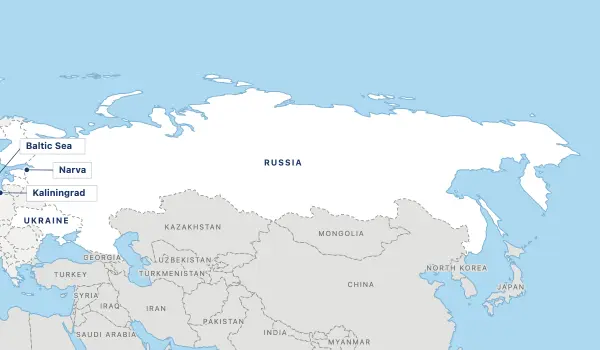
European intelligence agencies report Russia plans to test NATO unity within five to eight years by targeting a specific country, likely Sweden, rather than launching an immediate full-scale invasion. This approach allows Russia to assess alliance responses while avoiding direct conflict with Ukraine.
-
3:45
Sweden as the Primary Target
Sweden is identified as the most vulnerable non-obvious target because controlling Gotland Island would allow Russia to cut off supply lines to the Baltic states, making it essential for any Russian strategy. Russia is currently executing hybrid warfare attacks in Sweden, including sabotage of water sources and telecommunications masts, to gather information and weaken infrastructure before a potential invasion. In the short term, these attacks help Russia by revealing what it can get away with and forcing NATO nations to adopt a more conservative stance, thereby reducing support for Ukraine.
-
10:10
Long-Term Invasion Feasibility
A full-scale invasion is unlikely in the short term because Russia lacks the naval capacity to capture Gotland Island and would be too stretched thin by its war in Ukraine.
-
17:00
Public Response Strategy
The public should recognize these strategies as annoying rather than scary, fight back against disinformation, and continue supporting Ukraine without pulling back resources.
Key points
- 0:00
European intelligence agencies report Russia plans to test NATO unity within five to eight years.
- 0:00
The initial step for Russia is not a full-scale invasion but testing the alliance's response.
- 3:08
Sweden is considered more vulnerable than Finland due to its strategic geographic positioning.
- 3:45
Controlling Gotland Island would allow Russia to cut off supply lines to the Baltic states.
- 3:45
Russia plans first strikes against Swedish military capabilities to neutralize threats before attacking others.
- 6:47
Sweden possesses a powerful navy capable of projecting force outward, unlike Finland's coastal defense focus.
- 14:51
These hybrid attacks help Russia gather information and force NATO nations to hold back support for Ukraine.
- 10:10
Russia currently lacks the naval capacity to capture Gotland Island and is too stretched by its war in Ukraine.
- 17:00
The public should view these strategies as annoying rather than scary and continue supporting Ukraine.
- 17:00
Supporting Ukraine remains essential because it supports every other country that is a part of NATO.
Related episodes
Russia CAN’T Afford a Second Front — So Why Are They Putting Troops on NATO's Borders?
Paul J. Warburg
Russia uses exaggerated headlines to create fear that causes Europe to hold back military aid to Ukraine, thereby strengthening Russia's position. Europe should ignore fear-based headlines and focus on sending weapons to Ukraine today as the best defense for tomorrow.
What Everyone Missed About Russia’s Attack on Poland
Paul J. Warburg
Russia sends small incursions to distract NATO resources from Ukraine by exploiting fear and fragmented thinking. NATO should ignore Russia's threats and send functional weapons to Ukraine immediately.
 33:31
Is Russia Really Preparing to Attack NATO?
Paul J. Warburg
Russia is unlikely to attack NATO because doing so would open a massive new front while they are already failing in Ukraine. While we should prepare in case we're wrong, we should not fear a Russian attack because it's unlikely to happen.

Testing NATO (Trump and Europe Prepare for the Worst)
Peter Zeihan
Russia tests NATO capabilities to determine if allies can fight effectively without overwhelming force. NATO states will begin massive rearmament regardless of the results of this initial testing.

Russia's Attack On Poland Did NOT Go As Planned
Paul J. Warburg
Russia's recent incursions into Poland and Romania were a failed strategy designed to provoke NATO into reducing support for Ukraine. European leaders have responded by investing in Ukrainian interceptor drones, actively hurting Russia's strategy instead of helping it.
AI-generated summary · model qwen3.5:9b-12k · prompt version whole-3.window-7.combine-10.s-f4be8e ·
video id lUb4JMpxxCo ·
Watch on YouTube