South Korea and the US Make a Nuclear Deal
 Peter Zeihan
4 min
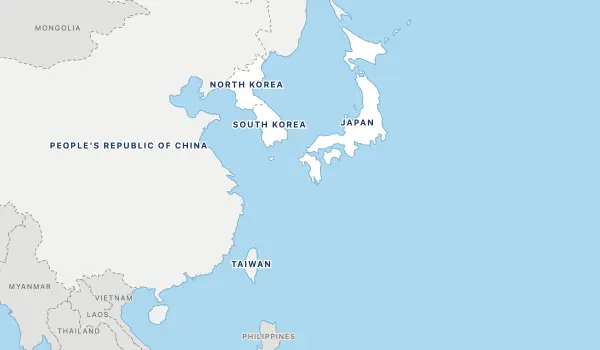
South Korea could build nuclear missiles on new submarines within a year, forcing Japan and Taiwan to follow suit. This decision might increase South Korean security but will come at the cost of introducing an arms race to the broader region.
Chapters
-
0:00
The New Nuclear Agreement
The US and South Korea agree to build nuclear submarines for Seoul's navy, a technology previously tightly restricted.
-
0:30
Strategic Limitations of Nuclear Subs
Nuclear subs offer indefinite range but provide little tactical advantage against North Korea's weak navy or in conventional missile exchanges. South Korea has repeatedly enriched uranium near weapons grade, allowing them to build nuclear weapons within weeks if needed.
-
2:55
The Risk of Regional Escalation
Introducing nukes to South Korea will inevitably force Japan and Taiwan to acquire them, sparking an arms race. This agreement may increase South Korean security but risks a broader regional arms race while the US steps back.
Key points
- 0:00
The US and South Korea agreed for Americans to build nuclear-powered submarines for the South Korean Navy.
- 0:30
Nuclear subs can stay underwater indefinitely, whereas conventional subs must surface regularly for fuel.
- 0:30
North Korea lacks a functional navy, making the strategic value of South Korean nuclear subs questionable.
- 0:30
South Korea has repeatedly enriched uranium to near-weapons grade levels over the last 40 years.
- 2:55
South Korea could mount nuclear missiles on these new submarines within a year.
- 2:55
Adding nukes to South Korea will force Japan and Taiwan to acquire them as well.
- 2:55
This agreement might increase South Korean security but will likely trigger a regional arms race.
- 2:55
The US is stepping back while potentially sparking an arms race in Northeast Asia.
Related episodes
 6:04
The U.S. Chooses Favorites: North Korea over South Korea
Peter Zeihan
The United States is abandoning South Korea, forcing it to develop nuclear weapons and triggering a regional arms race. The strategic balance of peace in Northeast Asia is ending because South Korea will likely build a nuclear weapon.



South Korea Goes All-In on Drones
Peter Zeihan
South Korea must adopt drone warfare because its demographic collapse and North Korean artillery threat make traditional armies obsolete. The DMZ in the Korean Peninsula is likely to be at the top of the list for strategic environments that will change.

Ukraine Just Humiliated Russia in the Worst Possible Way
Paul J. Warburg
Ukraine has humiliated Russia by stealing plans for new nuclear submarines, crippling its ability to project power and making its nuclear threats null and void. Ukraine is a good strategic ally who provides unique value by offering intelligence only culturally similar nations can access.

Russia Does NOT Want You to Know the Truth About Their Nukes
Paul J. Warburg
Russia uses nuclear threats as propaganda to avoid conventional war rather than intending actual use. Russia's bluffing creates global instability by encouraging other dictators to seek nuclear weapons.
What Would a Conflict in Taiwan Look Like?
Peter Zeihan
Any meaningful attack on Taiwan is not just the beginning of the end of China's strategic power. It's the end of China as an entity.
AI-generated summary · model qwen3.5:9b-12k · prompt version whole-3.window-7.combine-10.s-f4be8e ·
video id 11w5rBJrgsI ·
Watch on YouTube