Musk Pulls the Carpet Out from Under DOGE
 Peter Zeihan
4 min
There is no version of deficit control in the United States that is not centered on defense, social security, Medicare, and Medicaid. If you're not willing to take a very, very deep gouge into those four programs, not one of them, all of them, we are not going to get anywhere near a balanced budget.
-
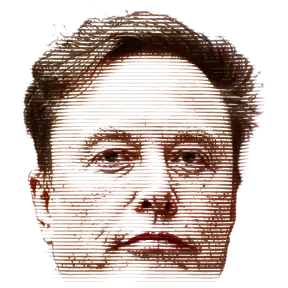 Elon Musk
-
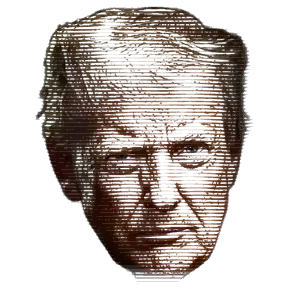 Donald Trump
Chapters
-
0:00
The Collapse of DOGE
Elon Musk is no longer part of the federal government, and the Department of Governmental Efficiency leadership has been gutted as most people were loyal to him. The department is in a not-so-slow-motion collapse.
-
0:34
The Reality of Budget Cuts
Very little budget cutting has actually occurred despite dramatic pledges. The official number on the day he left was $180 billion, but most people say it's closer to $150 billion. Federal spending is congressionally mandated and funded, creating a legislative wall that forces rehiring of fired employees to avoid prison. This brings the entire savings to somewhere between $20 and $30 billion. A mega bill working through Congress will increase the federal deficit by roughly $2.5 trillion over the next four years if it passes in its current form.
-
2:51
The Core Math of Deficits
There is no version of deficit control in the United States that is not centered on defense, social security, Medicare, and Medicaid. These four programs make up well over three-quarters of the total.
Key points
- 0:00
The Doge leadership has basically been gutted because most people were folks that were either already loyal to Musk or became loyal to Musk.
- 0:34
The official number on the day that he left was $180 billion.
- 0:34
Most people say it's closer to $150 billion.
- 0:34
When you fire the people who are responsible for programs or try to close out programs, you then come against this legislative wall that mandated that that money actually be spent on those things.
- 0:34
To not go to prison, a lot of bureau heads and a lot of cabinet secretaries going right up into Donald Trump's leadership core itself was forced to actually rehire people or part-time contractors.
- 0:34
Once you add that cost back in, that's a total of $120 billion, which brings the entire savings to somewhere between $20 and $30 billion.
- 0:34
If it passes in its current form, it will increase the federal deficit by roughly $2.5 trillion over the next four years.
- 2:51
There is no version of deficit control in the United States that is not centered on four things: defense, social security, Medicare, and Medicaid.
- 2:51
These four programs make up well over three-quarters of the total.
- 2:51
If you're not willing to take a very, very deep gouge into those four programs, not one of them, all of them, we are not going to get anywhere near a balanced budget.
Who and where
People · 2
-
Elon Musk 5
American businessman (born 1971)
Photo 1
-
Donald Trump 5
President of the United States (2017–2021; since 2025)
Photo 2
1. Photo: Gage Skidmore, CC BY-SA 4.0, via Wikimedia Commons · Wikidata · redrawn in our house style (Elon Musk)
2. Photo: Daniel Torok, Public domain, via Wikimedia Commons · Wikidata · redrawn in our house style (Donald Trump)
Related episodes
Trouble in MAGA Paradise
Peter Zeihan
The conflict between Musk and Trump exposes the fragility of US technological dominance and legislative stability. Trump has burned his political capital and alienated allies, leaving his executive actions vulnerable to immediate reversal.
The Fire Hose of Chaos: Recession Time
Peter Zeihan
Basically, we're looking at a secular slowdown in economic growth in almost every sector at the same time. And when that happened, globalization was going to crash, but the tariffs are making it crash now harder and in a way that is causing a lot of heartbreak for Americans.
VIDEO REPOST - Moody's Downgraded the Debt, So Let's Recap
Peter Zeihan
The United States is the largest economy in the world. We are the safe haven for currency.
The Future of US Monetary Policy
Peter Zeihan
Existing economic models are failing because the balance of inputs has changed. The speaker asserts that monetary authorities must evolve their mandates to address this new reality.
The Fire Hose of Chaos: Port Fees
Peter Zeihan
The port fees and tariffs will increase costs because the administration failed to build necessary ships first. We must pay more for everything because there is no alternative way to reindustrialize yet.
AI-generated summary · model qwen3.5:9b-12k · prompt version whole-3.window-7.combine-10.s-f4be8e ·
video id EbwhTyL_lWw ·
Watch on YouTube