Civita di Bagnoregio: A Microcosm of Italy
 Peter Zeihan
3 min
Resilience is really just an exercise in reimagining what it is to be stubborn. They're finding ways to turn their challenges into things that allow them to survive in the way of life that they want.
Chapters
-
0:00
Civita as an Italian Microcosm
Civita represents Italy through its ancient origins, current erosion challenges, and reliance on tourism.
-
0:23
The Challenge of Erosion and Decline
The city faces physical erosion from cliffs and demographic decline with very few permanent residents. Massive tourism numbers keep the system alive despite low reproduction rates and historical damage. The community survives by reimagining stubbornness to turn challenges into survival strategies.
-
2:35
The Bridge as a Symbol of Investment
Building the bridge was a stubborn investment that brought revenue, time, and stability.
Key points
- 0:00
Civita is kind of Italian microcosm.
- 0:23
It's perched on the side of cliffs that are slowly eroding.
- 0:23
Tracking dirt out of the city has dropped the level of the main square by about a foot in the last six years.
- 0:23
Italy has the lowest reproduction rate in Europe with less than 1.15 children per woman.
- 0:23
There's really only about a dozen permanent residents left.
- 0:23
Up to a million tourists come through.
- 0:23
Italy is the number two destination for tourism in Europe after France itself.
- 0:23
They've used that income to do things like do geological surveys and reforest the hillsides around them to slow the rate of decline to almost nothing.
- 0:23
It's an interesting study about how resilience is really just an exercise in reimagining what it is to be stubborn.
- 2:35
The bridge was simply an issue of stubbornness where they decided to make the investment that was necessary to protect themselves when geography itself tried to cut them off.
Related episodes
 4:20
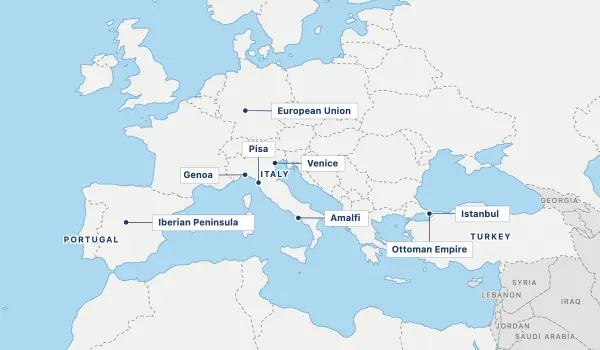
Back to the Glory Days of the Spice Trade
Peter Zeihan
The technologies of globalization are failing, and the system that has allowed the whole world to go wherever it wants and access any particle are breaking down. We're probably going to be going into a world where the single biggest impact is going to be a collapse in what we considered manufactured goods trade.
 5:42
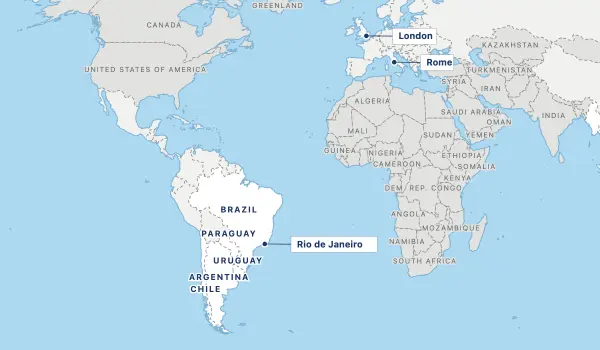
How to Work Together Like Early Rome
Peter Zeihan
Southeast Asia and Southern Latin America resemble pre-Rome due to economic integration and lack of historical conflict. These regions must form new alliances to survive the breakdown of current global systems.
The Demographics of Central Europe
Peter Zeihan
The Central European region is depopulating so severely that historical patterns suggest a future where Turkey expands northward to fill the vacuum. Considering the timeframe, a lot of us, whether we're watching from the outside or the inside, are going to live to see it because that's not that far from now.
Magyar Tries to Rebuild the Visegrád Group
Peter Zeihan
The meeting is not a political alliance based on election results but a strategic shift where the Visegrád Group gains voting power. The Central Europeans can now stand up for themselves on day-to-day government issues.
 6:27
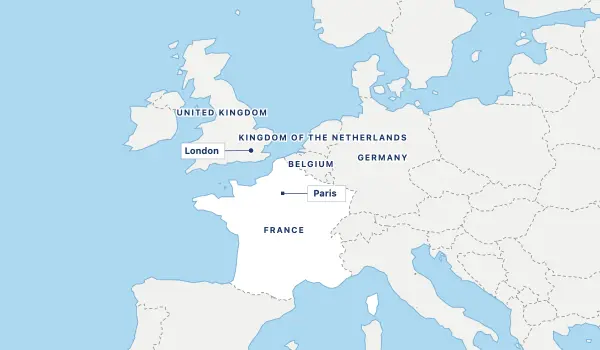
The French Protests Were Inevitable
Peter Zeihan
France must cut social programs because its centralized system extracted resources from colonies to fund a welfare state that can no longer be sustained. The protests are inevitable because students and workers face a system custom designed to not cut spending that now has no money.
AI-generated summary · model qwen3.5:9b-12k · prompt version whole-3.window-7.combine-10.s-f4be8e ·
video id Hvc7CAckBdk ·
Watch on YouTube