Can Iran Control Internet Cables in the Gulf?
 Peter Zeihan
4 min
Iran's targeting of internet cables exposes Gulf nations to blackmail, proving physical data connections are indefensible. The vulnerability of data cables forces a transition to satellites, creating new challenges for space sovereignty.
Chapters
-
0:00
The Critical Role of Data Cables
Explains how data cables are essential for global internet access across oceans, carrying more capacity than all telephone systems combined.
-
1:28
Iran's Expansion of Control in the Gulf
Details Iran's strategy to assert control over the Strait of Hormuz by targeting internet cables alongside oil and shipping. Highlights that Arab nations in the Gulf rely on subsea cables through the Strait of Hormuz, making them vulnerable to severance. Argues that physical data cables cannot be defended long-term, forcing a transition to satellite networks like Starlink.
-
3:44
Sustainability of Satellite Networks
Notes that the current number of satellites already exceeds all other orbital objects combined, raising sustainability concerns.
Key points
- 0:00
Global internet access across oceans requires data cables because no cell signal is strong enough to cross the ocean.
- 0:00
A single trans-oceanic data cable carries more data capacity than all telephone systems did 25 years ago.
- 1:28
Iran is targeting internet cables in addition to container ships and bulkers to assert control over the Strait of Hormuz.
- 1:28
Iran claims it should be able to charge a transit fee for any data flowing in and out of the Persian Gulf.
- 1:28
Gulf nations like the UAE, Kuwait, Qatar, Bahrain, and Oman rely on subsea cables through the Strait of Hormuz.
- 1:28
These nations avoid making infrastructure dependent on neighbors due to mutual hostility and lack of trust.
- 1:28
An adversary can sever a data cable in the Strait of Hormuz within a single day.
- 1:28
Physical data cables cannot be defended effectively, leading to a shift toward satellite-based internet.
- 3:44
The current number of satellites already exceeds the total population of all other objects in orbit combined.
- 1:28
Relying on satellites creates new conversations about sovereignty in space and the ability to defend that network.
Related episodes
 9:10
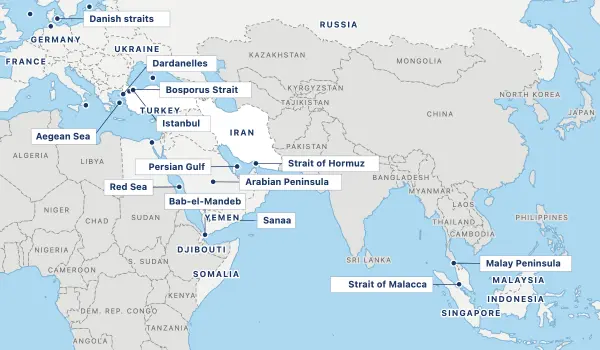
The Collapse of the World's Strategic Straits - Part 2
Peter Zeihan
The world is shifting from free international waterways to regulated choke points where local powers charge tolls and restrict global trade. This shift creates a new global order where nations near these straits hold immense leverage over energy and commerce.
 5:27
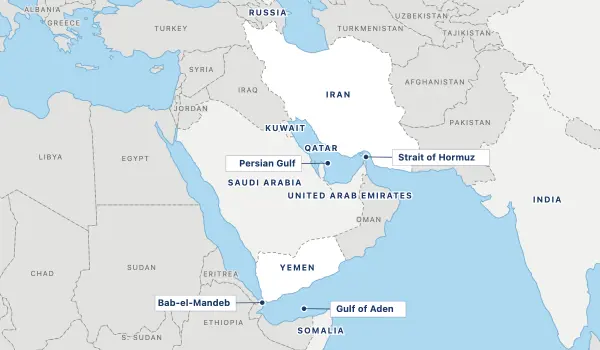
Global Shipping Comes Under Attack
Peter Zeihan
No country can defend all eight major transit choke points simultaneously. No nation or coalition can keep global sea lanes safe anymore.
 6:05
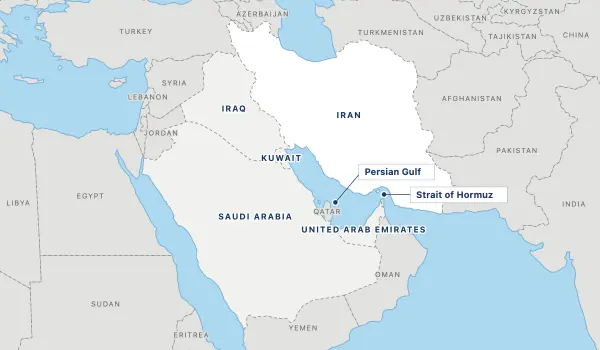
A New Explosive Threat in the Persian Gulf
Peter Zeihan
Conventional commercial shipping in the Persian Gulf is probably going to collapse because there is no good defense against speedboat attacks. The cost for the civilian shipping sector to try to cope with this is immense and will absolutely change the cost structure of how shipping happens.
Status Update on the Persian Gulf
Peter Zeihan
The current peace deal lopsidedly serves Iran's purposes by allowing only them unrestricted access to the world's most important energy waterway. This situation is an ongoing catastrophic economic and strategic event for the world as a whole.
Why Nobody Came to Help the U.S in Iran
Peter Zeihan
Allies did not help because they lack independent naval power and were excluded from intelligence sharing. The situation is a trap caused by a leader who refuses to surround himself with anyone but sycophants.


AI-generated summary · model qwen3.5:9b-12k · prompt version whole-3.window-7.combine-10.s-f4be8e ·
video id oIAm3pVuhgI ·
Watch on YouTube