Colombia Avoids War with the U.S.
 Peter Zeihan
7 min
Colombia avoids war with the United States due to shared strategic interests and a unique security alignment. Future cooperation depends on fixing infrastructure and adapting drug interdiction strategies to new realities.
-
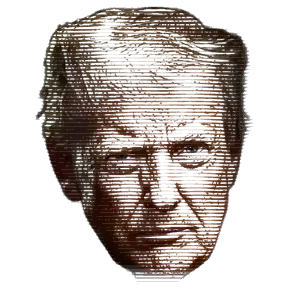 Donald Trump
Chapters
-
0:00
The Shift in US-Colombia Relations
Trump and Colombian President Petro have moved from hostility to cooperation after a direct phone call.
-
1:15
Strategic Importance and Geography
Colombia's location allows control over both Atlantic and Pacific basins, making it strategically vital.
-
2:43
Historical Alignment on Security
Colombia's history of civil war has created a conservative population that aligns with US security views. Colombia can serve as a low-cost manufacturing partner for Mexico within the North American trading bloc.
-
5:02
Infrastructure and River Access
Mountainous terrain hinders development, but the navigable Magdalena River offers a shipping route.
-
5:47
The Changing Drug Landscape
Former government allies have become the primary source of the current drug smuggling problem.
-
6:32
The Path Forward
Combating drugs requires a new approach since the old methods no longer work against these groups.
Key points
- 0:00
The United States and Colombia have resolved their differences through a direct phone call between leaders.
- 1:15
Colombia controls the strategic choke point separating the Atlantic and Pacific oceans via Panama.
- 2:43
A century of civil war has made Colombia uniquely conservative on security compared to its neighbors.
- 2:43
Colombia possesses the necessary worker quality to replace Mexico as a manufacturing partner for the US.
- 5:02
The Magdalena River provides a critical shipping route through Colombia's difficult mountainous terrain.
- 5:47
Former government allies have transformed into the primary insurgent groups driving current drug smuggling.
- 6:32
The strategy for stopping drug trafficking must change because the old methods failed against these new groups.
Who and where
People · 1
-
Donald Trump 5
President of the United States (2017–2021; since 2025)
Photo 1
1. Photo: Daniel Torok, Public domain, via Wikimedia Commons · Wikidata · redrawn in our house style (Donald Trump)
Related episodes
The Shield of the Americas
Peter Zeihan
Aggressive US military intervention in Latin America to combat drug cartels risks damaging vital trade relationships with Mexico. While the US can interfere deeply in the region, it cannot solve drug problems without risking the trade network.
Venezuela's End: Next on the Chopping Block
Peter Zeihan
The United States is shifting from isolationism to active intervention in the Western Hemisphere to prevent foreign powers from gaining influence. While US intervention may succeed in destabilizing targets, reconstructing stable nations remains historically difficult and often fails.

U.S. War Crimes in Venezuela? Here's What's Happening
Peter Zeihan
The U.S. is engaging in war crimes and encouraging drug smuggling through contradictory policies. The world is currently all over the place regarding these chaotic events.
Trump and Petro Revive the Colombian Cocaine Industry
Peter Zeihan
The US withdrawal of aid will force Colombian farmers back to coca cultivation. The Trump administration has established the perfect environment to make sure cocaine acreage explodes.

They're Lying to You About Venezuela
Paul J. Warburg
The United States intervened in Venezuela primarily to secure access to its oil reserves, not for justice or humanitarian reasons. Selective enforcement of laws against dictators creates a mafia-style society that breeds more crime and chaos.
AI-generated summary · model qwen3.5:9b-12k · prompt version whole-3.window-7.combine-10.s-f4be8e ·
video id bzZk8HAfSKY ·
Watch on YouTube