Venezuela's End: Next on the Chopping Block
 Peter Zeihan
9 min
The United States is shifting from isolationism to active intervention in the Western Hemisphere to prevent foreign powers from gaining influence. While US intervention may succeed in destabilizing targets, reconstructing stable nations remains historically difficult and often fails.
-
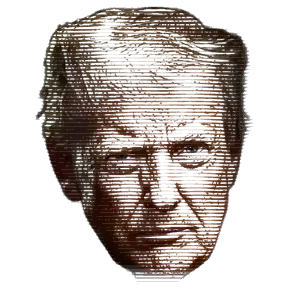 Donald Trump
-
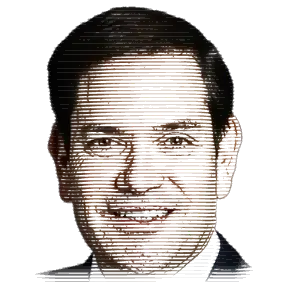 Marco Rubio
-
 Jair Bolsonaro
Chapters
-
0:00
The Shift to Dollar Diplomacy
The US is shifting from isolationism to active intervention in the Western Hemisphere, targeting specific nations to prevent foreign powers from gaining influence. Cuba faces collapse due to the loss of subsidized Venezuelan oil, prompting potential US military intervention led by Marco Rubio.
-
2:59
Pressure on Brazil
Brazil must align with US interests due to overwhelming American naval superiority and political pressure from Washington.
-
5:34
Intervention in Honduras
The US plans to install hand-picked leaders in Central America, effectively returning to 19th-century interventionist policies.
-
6:20
The Limits of Reconstruction
Rebuilding stable nations after regime change is historically difficult and often fails without massive troop commitments. US intervention aims to stop China from securing resource access and market footholds in Latin America.
Key points
- 0:00
The US will intervene across the Western Hemisphere to prevent foreign powers from gaining influence.
- 0:00
Marco Rubio is driving the policy shift against Venezuela and Cuba within the Trump administration.
- 1:18
Cuba relies on subsidized Venezuelan oil, which will now cease, causing economic catastrophe.
- 1:18
The US may use special forces to intervene in Cuba if economic pressure fails.
- 2:59
Brazil must align with the US due to overwhelming American naval superiority in the hemisphere.
- 4:25
The US will pressure Brazil to change its laws and political alliances to favor Washington.
- 5:34
The US plans to install hand-picked leaders in Honduras, returning to 19th-century interventionist policies.
- 6:20
Rebuilding stable nations after regime change is historically difficult and often fails without massive troop commitments.
- 8:32
The US aims to stop China from securing resource access and market footholds in Latin America.
- 8:32
Chinese investments in Latin America are vulnerable because China lacks the power to protect them.
Who and where
People · 3
-
Donald Trump 7
President of the United States (2017–2021; since 2025)
Photo 1
-
Marco Rubio 2
72nd United States Secretary of State since 2025
Photo 2
-
Jair Bolsonaro 1
38th President of the Federative Republic of Brazil (2019–2023)
Photo 3
1. Photo: Daniel Torok, Public domain, via Wikimedia Commons · Wikidata · redrawn in our house style (Donald Trump)
2. Photo: U.S. Department of State, Public domain, via Wikimedia Commons · Wikidata · redrawn in our house style (Marco Rubio)
3. Photo: Palácio do Planalto from Brasilia, Brasil, CC BY 2.0, via Wikimedia Commons · Wikidata · redrawn in our house style (Jair Bolsonaro)
Related episodes
The Shield of the Americas
Peter Zeihan
Aggressive US military intervention in Latin America to combat drug cartels risks damaging vital trade relationships with Mexico. While the US can interfere deeply in the region, it cannot solve drug problems without risking the trade network.
Venezuela's End: Reviving the Monroe Doctrine
Peter Zeihan
The United States is returning home to focus on the Western Hemisphere. Venezuela now imports 80% of its food because only one major American company remains operational enough to generate capital.
Tariffs Hit Brazil
Peter Zeihan
Threatening Brazil's rule of law is the dumbest thing to do for US interests. The current situation represents a strategic failure despite previous progress.

The U.S. Attack on Venezuela is Worse Than You Think
Paul J. Warburg
The U.S. capture of Maduro serves as a pretext to control Venezuelan oil while waiting for a compliant leader. Despite the underhanded methods, replacing Maduro is a net positive for the world.
Panama Boots China from the Canal
Peter Zeihan
China's position in the Western Hemisphere is based on one very stupid assumption: that the United States will actively keep the sea safe for Chinese shipping. The United States possesses the tools to reshape diplomacy and economic activity in the region.
AI-generated summary · model qwen3.5:9b-12k · prompt version whole-3.window-7.combine-10.s-f4be8e ·
video id CXq4o6PwKqY ·
Watch on YouTube