Defending Against Rising Sea Levels
 Peter Zeihan
4 min
Breaking globalization forces a switch to coal and wood, accelerating climate change and raising sea levels beyond current defenses. Humanity must adapt to rising sea levels as material shortages prevent scaling green energy without globalization.
Chapters
-
0:00
Coastal Defense Structures
Geodesic shapes interlock to protect coasts from currents and allow land reclamation.
-
0:50
Rising Temperatures and Industrialization
Global temperature increases since 1990 drive ice melt due to widespread industrialization.
-
1:53
Disappearing Snow and Intensifying Storms
Regions like Umbria see no meaningful snow while storms become more intense.
-
2:18
Coastal Population Vulnerability
Six percent of humanity lives within five meters of sea level, facing drowning risks.
-
2:52
Limits of Green Energy Supply Chains
Material shortages prevent scaling solar and wind energy without globalization. Breaking globalization forces a switch to coal and wood, accelerating climate change. Adaptation failures will shift focus from the five-meter line to the ten-meter line.
Key points
- 0:00
Geodesic shapes interlock to protect coasts from storm surges and currents.
- 0:50
Global temperatures have increased by 1.25 degrees Celsius over the last century.
- 0:50
China now emits more carbon than the United States and Europe combined.
- 1:53
Regions like Umbria have not seen meaningful snow in over a decade.
- 2:18
Six percent of humanity lives within five meters of sea level.
- 2:52
Material supply chains for solar and wind energy do not exist at scale.
- 2:52
Breaking globalization forces a switch to coal and wood instead of oil and gas.
- 2:52
Future adaptation failures will shift focus from the five-meter line to the ten-meter line.
Related episodes
 21:55
China’s Biggest Problem Just Got SO MUCH Worse
 Paul J. Warburg
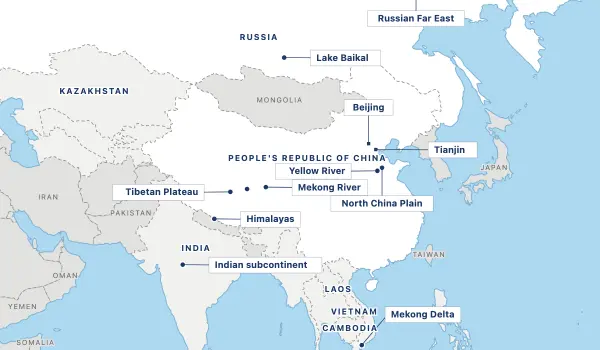
China's water shortage puts them at a structural disadvantage against AI competitors and increases their incentive to provoke water conflicts. China's only real solution is geopolitical, potentially involving damming rivers or bringing water from Russia.
 5:38
The Paris Accords Can't Stop Climate Change
Peter Zeihan
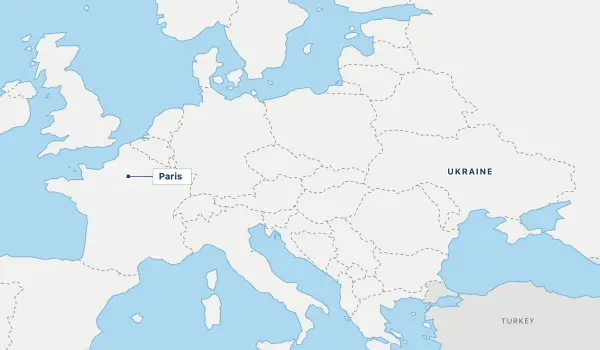
The Paris Accords cannot stop climate change because they lack necessary funding and rely on a globalized system that is now breaking down. By the end of the century, we need to be starting to consider things like five and maybe even six.
Lessons From Japan's Demographic Collapse
Peter Zeihan
Aging populations combined with broken supply chains create de-civilizational risks for nations outside the US-Japan alliance. Aligning with Japan and the US provides the most favorable security and economic access.
 5:44
Building Out the Power Grid: Large Power Transformers
Peter Zeihan
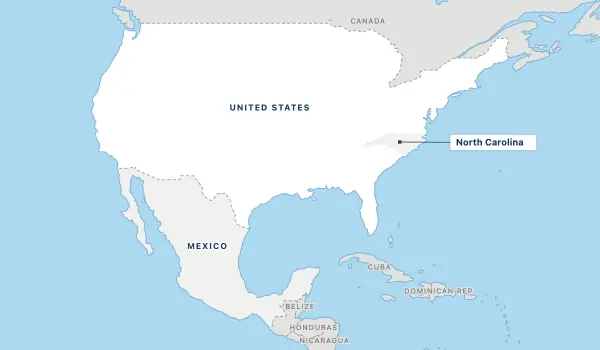
The United States cannot expand its grid by 50% to support reindustrialization because it lacks domestic large transformer production and faces severe permitting delays. Without significant changes in federal policy and domestic manufacturing, the US will fail to maintain its grid or reindustrialize.
Something is Going Seriously Wrong in China
Paul J. Warburg
China is facing a structural trap where coalescing factors like debt, population decline, and geopolitical shifts make recovery impossible. Historically, declining powers go to war, and Russia is identified as a potential target that could fix China's problems.
AI-generated summary · model qwen3.5:9b-12k · prompt version whole-3.window-7.combine-10.s-f4be8e ·
video id 6770CRbOl0I ·
Watch on YouTube