Building Out the Power Grid: Large Power Transformers
 Peter Zeihan
6 min
The United States cannot expand its grid by 50% to support reindustrialization because it lacks domestic large transformer production and faces severe permitting delays. Without significant changes in federal policy and domestic manufacturing, the US will fail to maintain its grid or reindustrialize.
Chapters
-
0:00
The Scale of Grid Expansion Needed
The US grid must expand by 50% to support data centers, a task impossible within the current timeframe due to physical constraints. Three main hurdles prevent rapid grid expansion: insufficient generation capacity, complex permitting processes, and a lack of large transformers.
-
1:22
The Permitting Crisis
Local, state, and federal permitting delays stem from lost institutional knowledge and the difficulty of building infrastructure in a first-world country.
-
2:40
The Large Transformer Shortage
Large power transformers are critical, weigh hundreds of tons, and face a three-to-five-year backlog because most are imported. The average operational large transformer in the US is 40 years old, requiring replacement alongside new construction.
-
4:08
Import Reliance and Trade Risks
The US imports 80% of its large transformers from Mexico, Germany, Japan, and China, creating vulnerability during trade disputes. Reindustrialization requires a 50% grid increase to prepare for deglobalization, but current policies block this expansion.
-
5:30
The Fatal Consequence of No Power
Without power, the US cannot perform the necessary work to support its services and brain economy.
Key points
- 0:00
The United States needs to expand its grid by approximately 50% if the data center boom ends today.
- 0:00
It took a half century for the US to complete the last 50% expansion of the grid.
- 1:22
Permitting for power generation is difficult at the local, state, and federal levels in the United States.
- 1:22
Electricity generation in the US had been stagnant since the late 80s due to lost institutional knowledge.
- 2:40
Large power transformers weigh between 100 and 400 tons and are essential for transmission and distribution.
- 2:40
The US imports about 80% of the large power transformers it uses.
- 2:40
The average operational large transformer in the United States is currently about 40 years old.
- 2:40
There is a backlog of three to five years for large power transformers based on the model.
- 4:08
Most US imported transformers come from Mexico, Germany, Japan, and China.
- 4:08
A 50% grid increase is required to reindustrialize in a way that prepares for deglobalization.
- 5:30
Without power, the US cannot do any of the work needed for its services and brain economy.
On the map
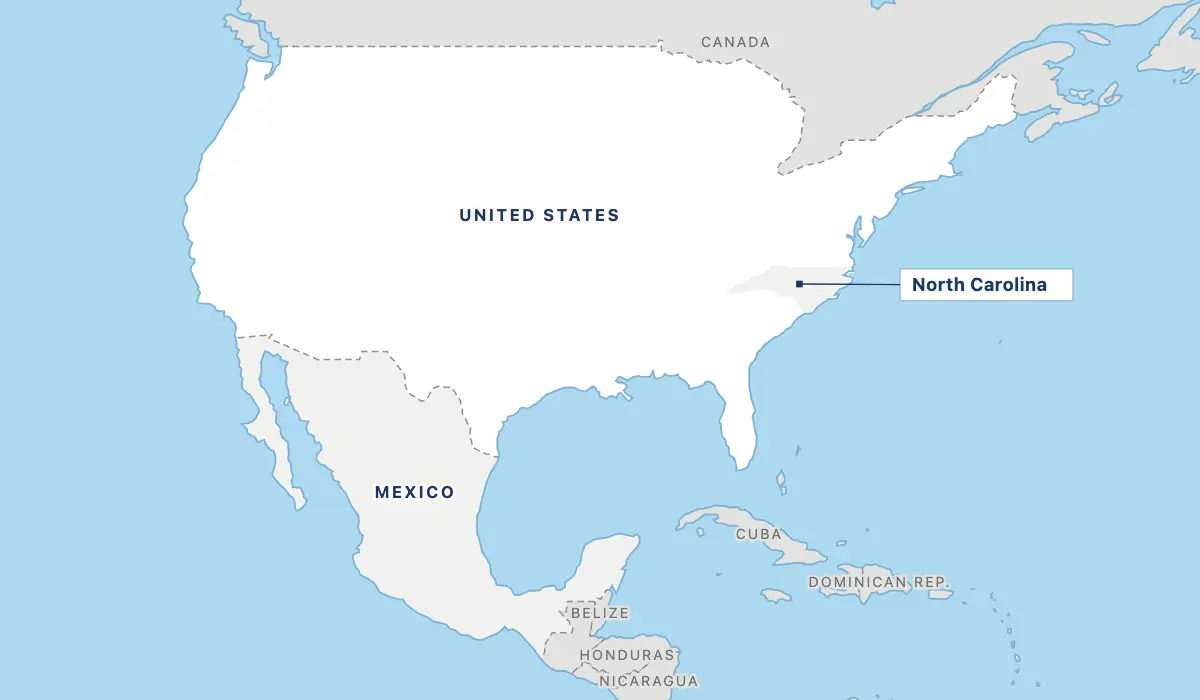
Who and where
Places · 6
- United States 14
- Mexico 3
- North Carolina 1
- Japan 1
- Germany 1
- People's Republic of China 1
Related episodes
 5:22
The Problem with the U.S. Power Grid
Peter Zeihan
The U.S. cannot unify its power grids soon because geography and local authority barriers prevent efficient long-distance transmission. Real progress requires adjacent jurisdictions to share resources before attempting national grid unification.
 6:11
Trump Might Be Onto Something with Data Center Energy
Peter Zeihan
The proposal indicates significant changes are coming if pushed forward. The proposal is a potential solution to current problems but faces serious political hurdles.

 28:31
Something Utterly Bizarre Just Happened in China
 Paul J. Warburg
China's technological dominance masks a fundamental weakness caused by massive debt and a lack of domestic energy resources. In the net, in China, what we see is a house of cards that is reported on as if it were a house of steel.
 7:56
How To Ban Diesel Exports
Peter Zeihan
Export bans without infrastructure changes create oversaturation that reduces domestic energy security. The conversation is misplaced until distribution systems are fixed alongside any bans.

 13:20
Data Centers: A Necessary Evil...Kinda
Peter Zeihan
Data centers are necessary for modern economic function because removing them would force a return to manual paper-based systems resulting in significantly lower standards of living. While data centers have negative effects like high energy use, eliminating them would condemn millions to low-value jobs and drastically reduce personal incomes.
AI-generated summary · model qwen3.5:9b-12k · prompt version whole-3.window-7.combine-10.s-f4be8e ·
video id M8vAolvjZGs ·
Watch on YouTube