What Happens When Fossil Water Runs Out?
 Peter Zeihan
4 min
Three regions will cease to be agriculturally producing zones within the next 20 to 30 years. The problem is honestly drilling for water in these zones.
Chapters
-
0:00
Introduction to Fossil Water Crisis
The video introduces an upcoming agricultural crisis in Northeast Yosemite.
-
0:23
Definition and Mechanics of Fossil Water
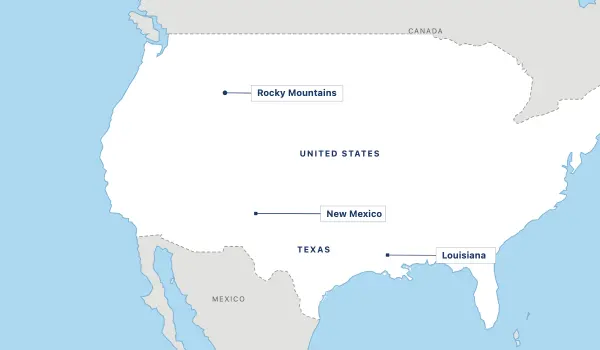
Fossil water is pulled from an aquifer that does not recharge with the normal seasonal cycles. Drilling creates a race to the bottom because surface water disputes have legal regulations while underground drilling does not. The Ogallala Aquifer in western Kansas and the Texas Panhandle is depleting rapidly and will cease agricultural production soon. Most zones are going dry within the next decade, causing land to follow as nothing can be grown there.
-
2:41
Failed Mitigation Efforts
Switching crops or using drip irrigation only buys 30 to 60 years because the aquifer recharges in millennia. The Ogallala zone produces wheat that directly or indirectly feeds literally tens of millions of people.
-
3:22
Transition to Further Analysis
The recording moves further up the canyon to continue discussing other affected regions.
Key points
- 0:23
Fossil water is pulled from an aquifer that does not recharge with the normal seasonal cycles.
- 0:23
Instead of recharging in weeks to months, it's millennia.
- 0:23
Three regions will cease to be agriculturally producing zones within the next 20 to 30 years.
- 0:23
Drilling creates a race to the bottom of the tank because it cannot be easily regulated.
- 0:23
The Ogallala Aquifer spans western Kansas, the Texas Panhandle, Nebraska, and the Dakotas.
- 0:23
Most zones are going dry within the next decade.
- 2:41
Switching from a high water crop to a low water crop might buy them 30 to 60 years.
- 2:41
The land will just go fallow because you won't be able to grow anything there.
- 2:41
This zone produces wheat that directly or indirectly feeds literally tens of millions of people.
- 0:23
The problem is honestly drilling for water in these zones.
On the map
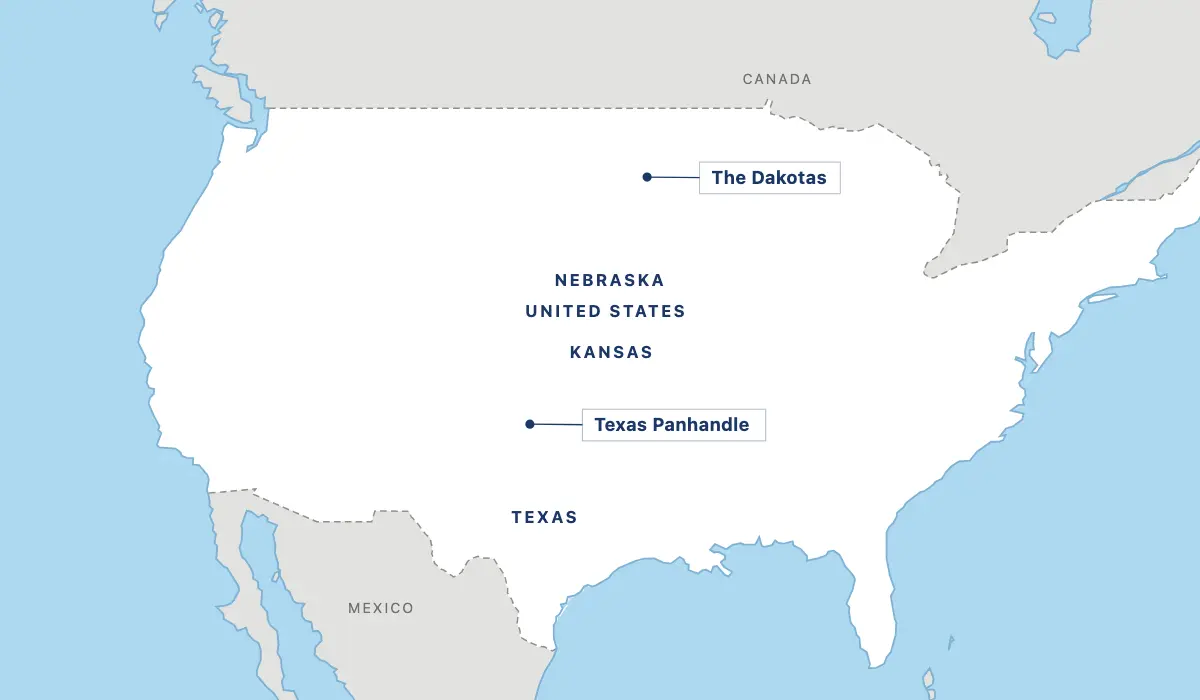
Who and where
Places · 6
- Kansas 2
- Texas 2
- Nebraska 1
- Texas Panhandle 1
- The Dakotas 1
- United States 1
Related episodes
 2:41
What Happens When India's Water Runs Out?
Peter Zeihan
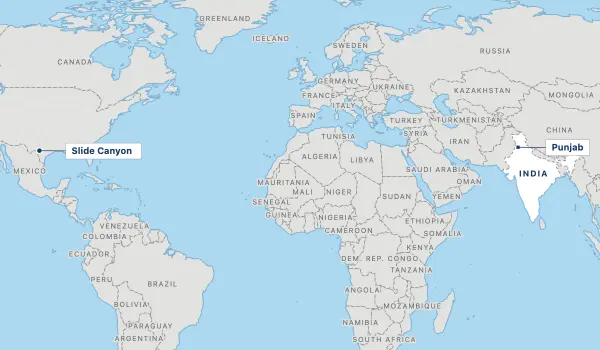
We are looking at a water-driven calorie deficit in India within a decade or two that is just simply difficult to wrap your mind around. And it is nothing compared to the third one.
 21:55
China’s Biggest Problem Just Got SO MUCH Worse
 Paul J. Warburg
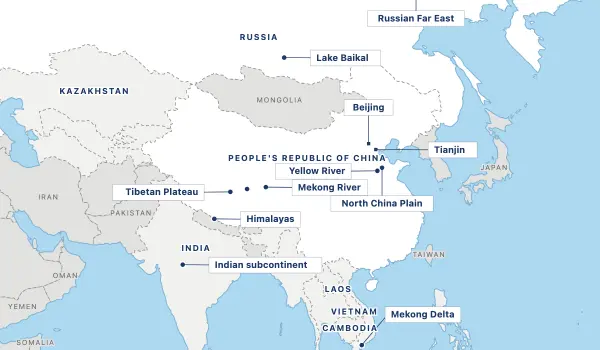
China's water shortage puts them at a structural disadvantage against AI competitors and increases their incentive to provoke water conflicts. China's only real solution is geopolitical, potentially involving damming rivers or bringing water from Russia.
 4:02
What Happens When China Runs Out of Water?
Peter Zeihan
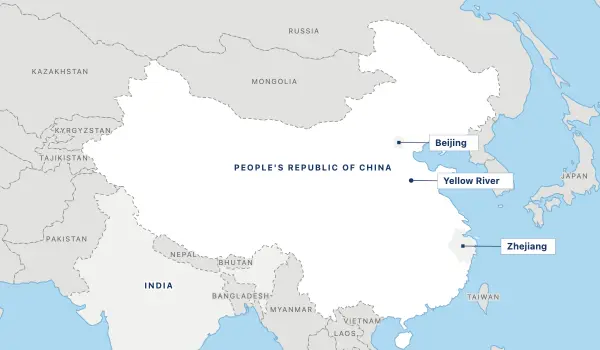
The People's Republic of China is going to vanish in the next couple of decades. The People's Republic of China is going to vanish in the next couple of decades.
 5:22
The Problem with the U.S. Power Grid
Peter Zeihan
The U.S. cannot unify its power grids soon because geography and local authority barriers prevent efficient long-distance transmission. Real progress requires adjacent jurisdictions to share resources before attempting national grid unification.
 5:44
Building Out the Power Grid: Large Power Transformers
Peter Zeihan
The United States cannot expand its grid by 50% to support reindustrialization because it lacks domestic large transformer production and faces severe permitting delays. Without significant changes in federal policy and domestic manufacturing, the US will fail to maintain its grid or reindustrialize.
AI-generated summary · model qwen3.5:9b-12k · prompt version whole-3.window-7.combine-10.s-f4be8e ·
video id ME77LPWhuL4 ·
Watch on YouTube