VIDEO REPOST - Moody's Downgraded the Debt, So Let's Recap
 Peter Zeihan
19 min
The United States is the largest economy in the world. We are the safe haven for currency.
-
 Donald Trump
-
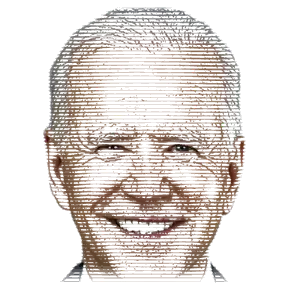 Joe Biden
-
 Barack Obama
Chapters
-
0:00
Debt Ceiling Politics
The speaker explains the debt ceiling crisis as political theater driven by a fractured Republican coalition and absent fiscal experts.
-
4:09
Credit Rating Impact
A credit rating drop increases borrowing costs slightly but causes massive downstream financial strain globally.
-
8:53
Long-Term Debt Trajectory
Budget deficits will grow significantly as baby boomers shift from taxpayers to tax takers without fiscal conservatives in power.
-
11:13
Global Comparison
Europe and Japan face worse demographic and debt situations, making the U.S. a safe haven despite its own issues.
-
15:13
Market Volatility
Erratic policies cause temporary market spikes, but the U.S. dollar remains the global baseline with no viable alternatives.
-
17:23
Endgame Strategy
In a worst-case scenario, the Federal Reserve can monetize debt to maintain the dollar's dominance against declining rivals.
Key points
- 0:00
Divided government allows factions to use debt ceiling threats for political leverage without immediate consequences.
- 2:10
Fiscal experts and business conservatives have been removed from the Republican coalition, leaving no check on spending.
- 8:53
Baby boomers are transitioning from being the largest taxpayers to the largest tax takers in American history.
- 6:23
Budget deficits will continue to grow larger until the late 2030s when the baby boomer generation is mostly gone.
- 8:53
Europe and Japan face worse demographic collapses and higher debt-to-GDP ratios than the United States.
- 11:13
Japan has run deficits since the 1990s and maintains a debt-to-GDP ratio of about 500% including pension arrears.
- 4:09
The U.S. dollar remains the sole global currency and baseline for all financial instruments despite recent volatility.
- 15:13
No other country possesses the population or economic scale to replace the U.S. as a store of value.
- 17:23
The Federal Reserve retains the ability to monetize debt to prevent financial collapse in worst-case scenarios.
- 13:07
Capital flight from failing systems will eventually flow to the United States, buying it more time.
Who and where
People · 3
-
Donald Trump 9
President of the United States (2017–2021; since 2025)
Photo 1
-
Joe Biden 3
46th President of the United States (2021–2025)
Photo 2
-
Barack Obama 2
44th President of the United States (2009–2017)
Photo 3
1. Photo: Daniel Torok, Public domain, via Wikimedia Commons · Wikidata · redrawn in our house style (Donald Trump)
2. Photo: Adam Schultz, Public domain, via Wikimedia Commons · Wikidata · redrawn in our house style (Joe Biden)
3. Photo: Official White House Photo by Pete Souza, Public domain, via Wikimedia Commons · Wikidata · redrawn in our house style (Barack Obama)
Related episodes
Japan's Debt Crisis Is Just the Beginning
Peter Zeihan
The structural nature of the environment demographically and strategically is arguing for far bigger deficits moving forward. I don't know what is going to happen with debt.
I Hope You Didn't Want to Buy a Home
Peter Zeihan
Housing is just expensive and only going to get more so because we cannot build it fast enough. If you are trying to get going, this is awful.
The Fire Hose of Chaos: Government Debt
Peter Zeihan
The bigger problem is whether or not the United States is risking losing its position as the global currency, the global store of value, and the currency of first and last resort. Don't feel great about it.
The Fire Hose of Chaos: Finance
Peter Zeihan
The combination of retiring baby boomers and unpredictable US policies is causing a massive reduction in global capital supply, which drastically increases borrowing costs. These factors combine to slow economic growth across the entire American economic space.
The Fire Hose of Chaos: Housing Problems
Peter Zeihan
The housing sector is the American industry most damaged by mid- and long-term trends combining labor shortages, tariffs, financing cuts, and insurance collapse. The housing sector is looking to be the sector that is potentially most damaged by the mid- and long-term trends that are coming together.
AI-generated summary · model qwen3.5:9b-12k · prompt version whole-3.window-7.combine-10.s-f4be8e ·
video id hI_o5GWq72Y ·
Watch on YouTube