America Just Shattered 80 Years of Global Progress
 Paul J. Warburg
21 min
The U.S. has permanently lost its global trade position because whiplash policies break trust and cause lasting economic damage. The U.S. will suffer shrinking domestic markets because companies lose profits and employment without receiving tariff benefits.
-
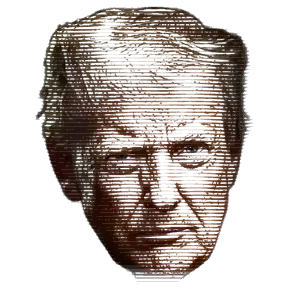 Donald Trump
Chapters
-
0:00
Whiplash Policy and Market Volatility
The speaker describes a trend of rapidly changing foreign policies that create confusion and negative economic outcomes without achieving intended goals, citing recent tariff reversals as an example.
-
10:51
The Durable Damage of Broken Trust
The speaker argues that reversing policies does not reverse their negative effects because trust is broken instantly and remains damaged for a long time, using examples from Canada and Ukraine.
-
14:22
The Flaw of Treating Politics Like a Video Game
The speaker criticizes the approach of testing policies like video game levers without considering real-world consequences, noting that individuals make independent choices based on feelings rather than just government policy.
-
17:30
The Permanent Loss of Global Trade Position
The speaker concludes that the U.S. has permanently lost its global trade position and will suffer shrinking domestic markets because companies lose profits and employment without receiving tariff benefits.
Key points
- 0:00
Rapidly changing foreign policies create confusion and accumulate negative baggage without achieving positive goals.
- 2:38
Market volatility from policy reversals signals a system open to manipulation rather than dependable long-term strategy.
- 3:22
Reversing a tariff policy does not undo its negative effects because trust is broken permanently.
- 3:22
Canada began decoupling its economy immediately after feeling attacked, even before tariffs were officially implemented.
- 6:12
The U.S. arms industry lost contracts after the world saw military aid could be withdrawn at any time.
- 12:01
Individuals in other nations make independent choices to avoid U.S. products when they feel slighted.
- 14:22
Real human psychology dictates that slighting people causes them to act against their own best economic interests.
- 14:22
Testing policies like video game levers ignores the reality that every action has permanent consequences.
- 16:11
Companies lose profits and employment when international markets shrink, causing domestic economic decline.
- 17:30
The U.S. is getting all the costs of tariffs without receiving any of the supposed benefits.
Who and where
People · 1
-
Donald Trump 18
President of the United States (2017–2021; since 2025)
Photo 1
1. Photo: Daniel Torok, Public domain, via Wikimedia Commons · Wikidata · redrawn in our house style (Donald Trump)
Related episodes
Why is America Intentionally Destroying its Global Influence?
Paul J. Warburg
America is intentionally destroying its global influence by refusing to pay the costs of protection and trade. The US must change its narrative and embrace strategies that uphold global trust to avoid self-destruction.

The Fire Hose of Chaos: Corruption
Peter Zeihan
The current system forces American importers and businesses to bribe the people who do spot checks. Arbitrary policies imposed by tweet will cause an erosion of rule of law throughout the corporate world.
The Fire Hose of Chaos: Finance
Peter Zeihan
The combination of retiring baby boomers and unpredictable US policies is causing a massive reduction in global capital supply, which drastically increases borrowing costs. These factors combine to slow economic growth across the entire American economic space.
Why is Trump STILL Trying to Scam Ukraine?
Paul J. Warburg
The current peace negotiations are a charade where the U.S. inserts self-serving demands like energy ownership before offering any real help. Ukraine should not trust verbal guarantees but might receive significant support if the U.S. sees a direct profit in helping it.

The U.S. Dollar: Short vs. Long Term
Peter Zeihan
The U.S. dollar will rise over decades due to structural strengths but drop in the short term due to active policy choices. The result is at the moment, in a moment of global crisis, surprisingly small gains for the US dollar.
AI-generated summary · model qwen3.5:9b-12k · prompt version whole-3.window-7.combine-10.s-f4be8e ·
video id ZgnsYaIgG7I ·
Watch on YouTube