The U.S. National Debt Just Reached a Bleak Milestone
 Paul J. Warburg
43 min
The U.S. debt is not a solvable problem because it funds the economy, and the real risk is inflation from printing money. We must focus on the complex system as a whole rather than just the symptoms like high debt numbers.
-
 Herbert Hoover
Chapters
-
0:00
The Debt Milestone
The U.S. national debt has reached $40 trillion, increasing rapidly from $30 trillion in just four and a half years.
-
1:35
Historical Precedents
History shows that financially dominant countries lost their empires when they became overextended with debt.
-
3:50
The Economic Cycle
Government spending creates income through interest payments, which funds further spending and generates taxes to pay future interest.
-
5:59
The Debt Ownership Reality
Most U.S. debt is owned by Americans, not foreigners, meaning the system largely benefits its own citizens.
-
22:10
The Real Risk
The primary risk is not default but persistent inflation caused by printing money when borrowing stops.
-
32:19
Global System Dependence
Foreign nations accept U.S. dollars and buy bonds because they value the American system of trade and security.
-
37:56
The Danger of Panic
Reducing foreign spending to lower debt undermines the global trust that keeps the U.S. monetary system strong.
Key points
- 0:00
The United States just passed a bleak milestone.
- 0:00
It took 200 years to hit the first trillion, but now it happens every quarter.
- 0:00
Interest costs on the debt alone are now more than $1 trillion per year.
- 0:56
We can say out loud what everybody already knows. We are never paying this off.
- 1:35
Many gigantic countries lost their empires when they became overextended with debt.
- 5:59
About 80% of the current national debt is owned by the public.
- 3:50
Everybody's spending is somebody else's income, including interest payments on the debt.
- 22:10
The real risk is persistent above average inflation for several decades.
- 32:19
People want our dollars because they want to participate in our system.
- 37:56
Reducing foreign spending undermines the real system that produces prosperity.
On the map
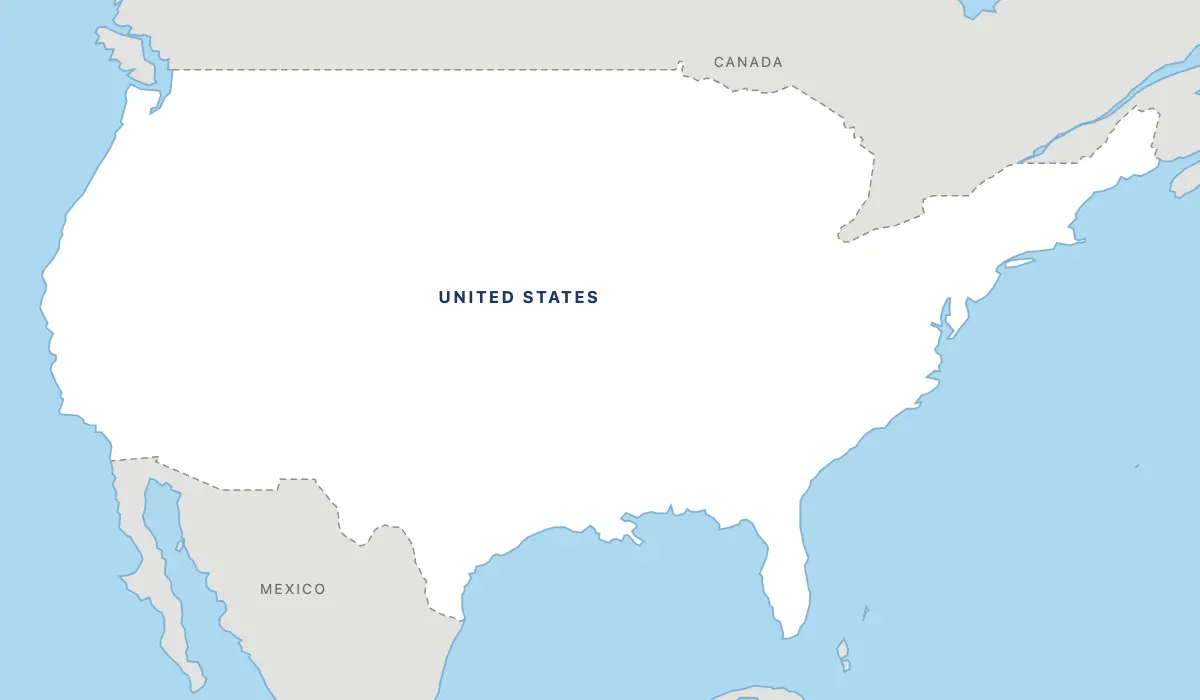
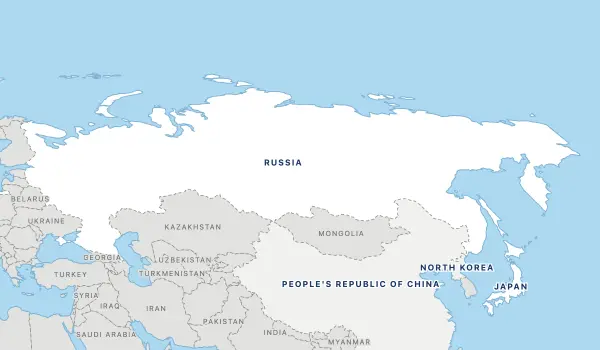
Who and where
Places · 4
- United States 92
- Russia 7
- People's Republic of China 3
- Ukraine 3
People · 1
-
Herbert Hoover 1
president of the United States from 1929 to 1933 (1874–1964)
Photo 1
1. Photo: Underwood & Underwood, Public domain, via Wikimedia Commons · Wikidata · redrawn in our house style (Herbert Hoover)
Organisations · 1
- BlackRock 1
Related episodes
 31:48
Russia's Banks are Now Preparing for Sudden Collapse
Paul J. Warburg
Russia has entered an economic trap eerily similar to Nazi Germany towards the end of World War II. Russia is destroying its economic future by continuously degrading its system into a slow-moving car crash with no growth.


Japan's Debt Crisis Is Just the Beginning
Peter Zeihan
The structural nature of the environment demographically and strategically is arguing for far bigger deficits moving forward. I don't know what is going to happen with debt.


Russia's Banks are Now Preparing for Sudden Collapse
Paul J. Warburg
Russia is trapped in a cycle where military spending destroys productive assets while income sources vanish. Russia will likely face a long-term, boring economic depression rather than an immediate dramatic collapse.
Russia’s Banks are Failing Faster Than We Thought
Paul J. Warburg
Russia faces an economic death spiral worse than Japan's 1990s crisis due to ongoing war and sanctions. The main danger is runaway inflation leading to societal apathy or revolt rather than immediate collapse.
Putin’s Worst Nightmare Just Hit Russia's Banks
Paul J. Warburg
Russia's banking system is collapsing because it cannot borrow money while being forced to fund a losing war. Ukraine's strikes on Wildberries are actively accelerating this banking crisis and could cause the whole thing to blow up.
AI-generated summary · model qwen3.5:9b-12k · prompt version whole-3.window-7.combine-10.s-f4be8e ·
video id 8HJjr0gyiP0 ·
Watch on YouTube