The Collapse of the World's Strategic Straits
 Peter Zeihan
5 min
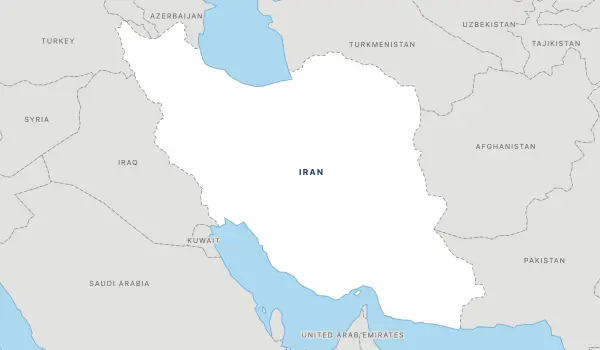
The United States cannot force Iran to keep Hormuz open, leading to its transformation into a toll system. Turning Hormuz into a toll system will formally or informally break over a century of international maritime law.
Chapters
-
0:00
Iranian Demands for Strait Control
The video explains Iran's goal to regulate the Strait of Hormuz through tolls or service fees, ranging from $100,000 to $2 million per passage.
-
3:12
Failure of the Malacca Model
The video argues the voluntary toll system in the Strait of Malacca is a poor model because total fees collected over 30 years are under $50 million.
-
3:38
Breakdown of International Maritime Law
If Hormuz becomes a toll system, it breaks over a century of international maritime law making waterways open for all free.
Key points
- 0:28
Iran seeks acceptance to regulate the Strait of Hormuz as they see fit.
- 0:28
Iran demands tolls ranging from $100,000 to $2 million per super tanker passage.
- 0:28
Iran currently restricts 90% of the cargo that used to pass through in January.
- 0:28
Iran can impose costs on anyone who defies them, including the U.S. Navy.
- 0:28
The Strait of Malacca is significantly busier than Hormuz due to Northeast Asian manufacturing.
- 0:28
Malacca's safety system relies on voluntary contributions from countries and governments.
- 0:28
Voluntary donations to Malacca cover only navigation aids, search and rescue, or repair.
- 0:28
Many countries and companies choose not to contribute anything to the Malacca system.
- 3:12
Total fees collected in Malacca over 30 years are under $50 million.
- 3:12
Iran's income from one to three days exceeds Malacca's total 30-year revenue.
- 3:38
The U.S. Cannot force a country without a hull to keep Hormuz functional.
- 3:38
The world will eventually accept Hormuz as a toll system after U.S. Failure.
On the map
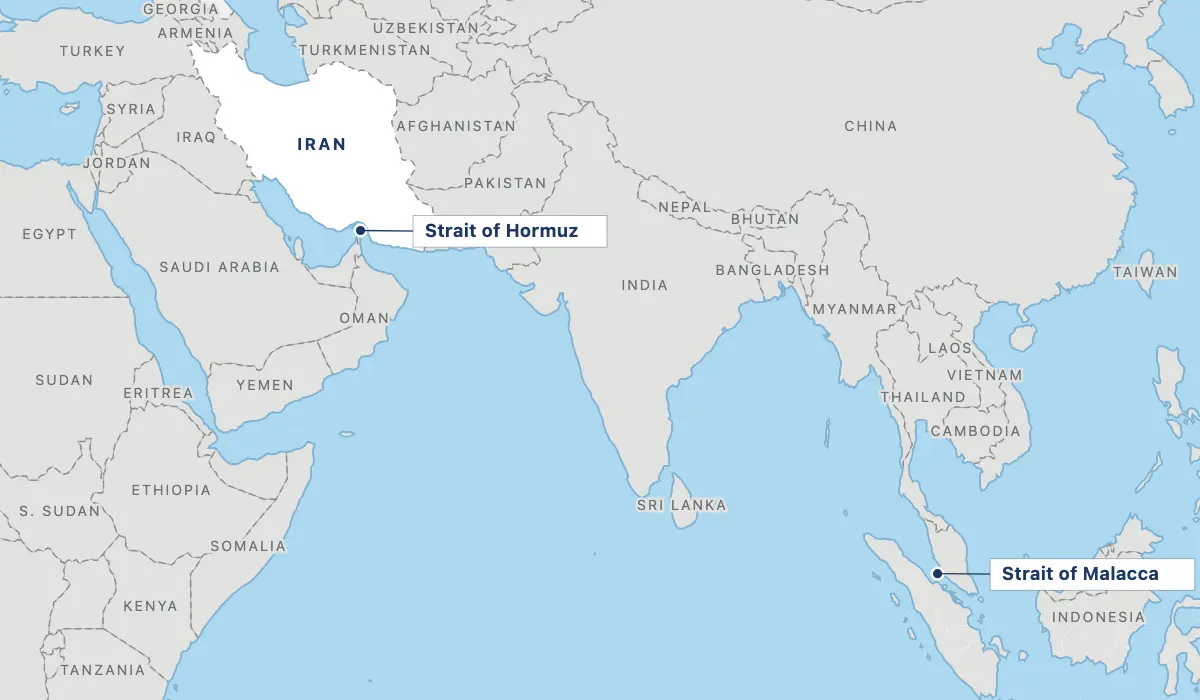
Who and where
Places · 6
- Strait of Malacca 6
- Strait of Hormuz 5
- Iran 4
- United States 5
- Northeast Asia 1
- Europe 1
Related episodes
 9:10
The Collapse of the World's Strategic Straits - Part 2
Peter Zeihan
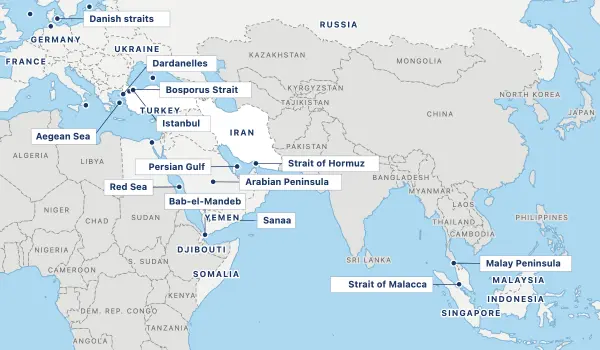
The world is shifting from free international waterways to regulated choke points where local powers charge tolls and restrict global trade. This shift creates a new global order where nations near these straits hold immense leverage over energy and commerce.
 5:27
Global Shipping Comes Under Attack
Peter Zeihan
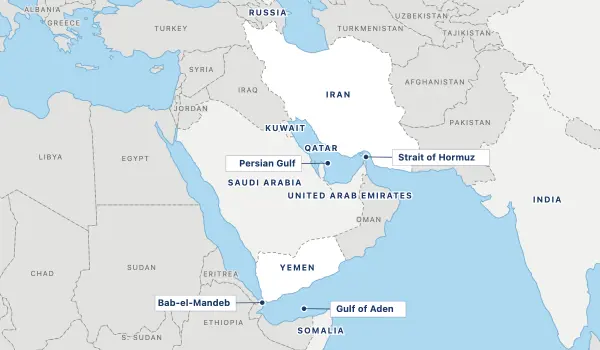
No country can defend all eight major transit choke points simultaneously. No nation or coalition can keep global sea lanes safe anymore.
 6:05
A New Explosive Threat in the Persian Gulf
Peter Zeihan
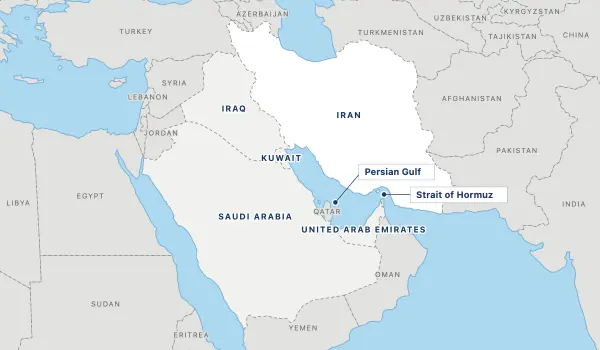
Conventional commercial shipping in the Persian Gulf is probably going to collapse because there is no good defense against speedboat attacks. The cost for the civilian shipping sector to try to cope with this is immense and will absolutely change the cost structure of how shipping happens.
 5:02
U.S. Sanctions on Iran Take a New Approach
Peter Zeihan
The U.S. aims to make life difficult for the Iranian population so they will rebel and overthrow the government. Two arrogant and increasingly isolated men are pretending that they know what's going on.

Status Update on the Persian Gulf
Peter Zeihan
The current peace deal lopsidedly serves Iran's purposes by allowing only them unrestricted access to the world's most important energy waterway. This situation is an ongoing catastrophic economic and strategic event for the world as a whole.
AI-generated summary · model qwen3.5:9b-12k · prompt version whole-3.window-7.combine-10.s-f4be8e ·
video id FPD-b-0Qm_o ·
Watch on YouTube