What everyone is getting wrong about Trump’s trade war
 Paul J. Warburg
28 min
Tariffs provide a theoretical but unproven benefit in exchange for a well-cited catastrophic risk. It is a losing prospect to focus on the industries of yesterday rather than focusing on the strengths of what you can do as a country tomorrow.
-
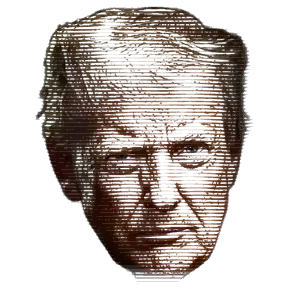 Donald Trump
Chapters
-
0:00
Economic History of Utah
The video begins by examining the economic evolution of Utah, using local landmarks to illustrate how economies naturally shift from one sector to another without necessarily failing.
-
6:13
The Theory and History of Tariffs
The speaker defines tariffs as taxes on imports intended to protect domestic industry, then reviews historical examples like the Smoot-Hawley Act and 2002 steel tariffs that worsened economic conditions.
-
11:06
Unforeseen Risks to the Economy
The argument shifts to specific knock-on effects, explaining how tariffs hurt consumers and other industries (like auto dealerships) while only benefiting concentrated manufacturing workers.
-
19:59
Unreliable Benefits and Market Manipulation
The speaker argues that tariff benefits are unproven due to changing administrations, while also noting that tariffs reduce quality by removing foreign competition.
-
25:41
The Strategic Shift Away from Manufacturing
The video concludes by explaining that the US intentionally moved away from manufacturing to high-tech industries, making a return to old sectors a losing prospect.
Key points
- 0:18
Economies change over time without necessarily becoming worse.
- 0:48
The Great Salt Lake resort is now abandoned due to receding shores.
- 0:48
Copper smelting remains a major economic fingerprint in the region.
- 1:41
The Silicon Slopes represents a new tech industry driving growth.
- 3:17
Tariffs are defined as taxes on goods imported from other countries.
- 3:17
The Smoot-Hawley Tariff Act of 1930 made the Great Depression worse.
- 3:17
2002 steel tariffs resulted in ten times more job losses than savings.
- 6:13
2018 steel tariffs led to an overall decline in US steel jobs.
- 11:06
Tariffs often hurt American consumers and other industries while helping only specific workers.
- 19:59
Foreign competition historically forced American manufacturers to improve quality.
- 22:42
The US intentionally shifted its economy from manufacturing to high-tech sectors.
Who and where
People · 1
-
Donald Trump 4
President of the United States (2017–2021; since 2025)
Photo 1
1. Photo: Daniel Torok, Public domain, via Wikimedia Commons · Wikidata · redrawn in our house style (Donald Trump)
Related episodes
Why is America Intentionally Destroying its Global Influence?
Paul J. Warburg
America is intentionally destroying its global influence by refusing to pay the costs of protection and trade. The US must change its narrative and embrace strategies that uphold global trust to avoid self-destruction.

Copper Imports Slapped with 50% Tariff
Peter Zeihan
A 50% tariff on copper imports retards the entire production process and ends the economic boom. These policies harm U.S. interests as if a Russian agent were whispering in Trump's ear.
Trump's New Plan for the Economy is Worse Than You Think
Paul J. Warburg
Trump's economic policies represent a dangerous shift toward central planning that contradicts Republican principles and risks catastrophic failure. The American people must recognize this overstep of authority and pay for the taxes they voted on to decide if this is the direction they want.
America Just Shattered 80 Years of Global Progress
Paul J. Warburg
The U.S. has permanently lost its global trade position because whiplash policies break trust and cause lasting economic damage. The U.S. will suffer shrinking domestic markets because companies lose profits and employment without receiving tariff benefits.
Debunking the Biggest ‘Success’ Story of Trump’s Tariffs
Paul J. Warburg
Confusing correlation with causation is a common mistake used to win arguments without being correct. TSMC moves to the U.S. due to fear of Chinese attacks on Taiwan, not because tariffs make sense financially.
AI-generated summary · model qwen3.5:9b-12k · prompt version whole-3.window-7.combine-10.s-f4be8e ·
video id p5o2rMaKjYg ·
Watch on YouTube