The Blockade of Iran Begins
 Peter Zeihan
6 min
To pressure the IRGC effectively, the US must block oil exports and prevent drone imports. The blockade is the first action that successfully targets the IRGC's specific financial interests.
-
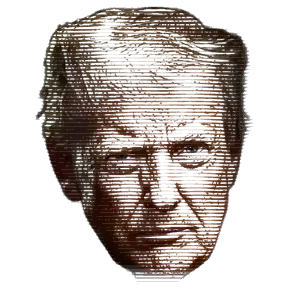 Donald Trump
Chapters
-
0:00
The Blockade Begins
The US has initiated a naval blockade of Iranian ports, preventing ships from docking or leaving.
-
0:41
Targeting the IRGC
The blockade targets the Islamic Revolutionary Guard Corps, whose power relies on oil sales and smuggling.
-
1:36
Strategic Impact
Stopping exports reduces IRGC revenue to zero, unlike previous attacks that failed to hurt them.
-
2:45
Missile and Drone Threats
The IRGC controls missile fleets and drones capable of striking energy assets on the Arab side. Iran relies on Chinese parts for missiles and drones, which are now harder to import freely. A separate naval blockade is needed for the eastern port of Chabahar to prevent drone imports. Northern and eastern borders cannot be blockaded, allowing slower but possible land transport from China.
-
4:54
Negotiation Watch
The US must watch for negotiations and ensure it does not declare victory prematurely.
Key points
- 0:00
The United States has blocked ships from docking at or leaving any Iranian port.
- 0:41
Iranian leadership power shifted to the IRGC after previous attacks killed top decision makers.
- 0:41
The IRGC derives most of its income from oil sales and smuggling rather than taxes.
- 1:36
Previous attacks destroyed the above-ground economy but failed to pressure the military strategists.
- 1:36
The blockade cuts IRGC export capacity from 2 million barrels a day to zero.
- 2:45
The IRGC controls missile fleets and drones capable of striking energy assets on the Arab side.
- 2:45
Iranian missiles and drones rely on parts manufactured in China.
- 2:45
A separate naval blockade is required to stop shipments arriving at the eastern port of Chabahar.
- 2:45
Land routes through Pakistan or Central Asia allow Chinese components to enter Iran despite sea blockades.
- 4:54
The US must watch for negotiations and avoid declaring victory before securing a better position.
Who and where
People · 1
-
Donald Trump 1
President of the United States (2017–2021; since 2025)
Photo 1
1. Photo: Daniel Torok, Public domain, via Wikimedia Commons · Wikidata · redrawn in our house style (Donald Trump)
Related episodes
The Strait of Hormuz Remains Open...For Iran
Peter Zeihan
The US military is doing nothing to interrupt commercial flows going to and from Iran. Someone please tell Trump because until this is interrupted in some way, two big problems.
The Iran War Approaches a Tipping Point
Peter Zeihan
The US blockade forces Iran to shut in wells permanently, threatening the IRGC's funding. This is the first time the people making decisions will actually feel pain.
Can the British Reopen the Strait of Hormuz?
Peter Zeihan
There is not a military solution to this problem because no other country has enough naval force. The best scenario is that the US pulls out completely and the Iranians just move on, which is not likely.

What You AREN’T Being Told About the War in Iran
Paul J. Warburg
The war in Iran consists of two distinct conflicts where the US wins the first but loses the second. The US will declare victory in the first war while ignoring the second, effectively losing it.
The Iran War: Enter Sting Interceptors
Peter Zeihan
Preserving global infrastructure now runs through Kiev, as Gulf states realize the need for Ukrainian tech. The best chance for preserving infrastructure runs through Kiev, and Gulf states will likely invest immense cash there.

AI-generated summary · model qwen3.5:9b-12k · prompt version whole-3.window-7.combine-10.s-f4be8e ·
video id YZ2K8T2M9U4 ·
Watch on YouTube