A Massive Energy Break Coming Soon
 Peter Zeihan
6 min
A massive energy break is coming soon as relief measures evaporate by June or early July. Get ready for a fun summer because the deadline is probably going to happen regardless of negotiations.
Chapters
-
0:00
The Imminent Oil Crisis
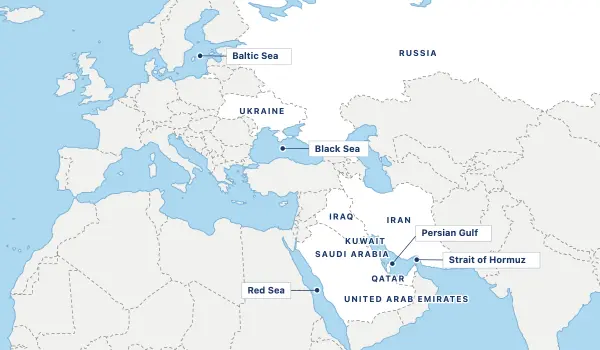
Since the Iran War started, 13 million barrels per day of Persian Gulf crude remain unproduced or unexported. We are well past the point where pre-war export tankers reached their destinations. Everyone is burning through stocks rapidly. By June or early July, we will reach minimum operating levels for inventories in half the world, if not more. This represents about one and a quarter billion barrels of crude that haven't been delivered yet.
-
1:08
Temporary Relief Factors
Two factors have delayed the crisis so far. First, strategic reserve releases approved by the IAA two months ago helped Europe significantly. The United States is a net exporter of crude and refined product by a large margin. Roughly two to two and a half million barrels a day of crude from our strategic petroleum reserve are just crossing the Atlantic and helping out the Europeans.
-
2:01
China's Petrochemical Substitution
Chinese petrochemical producers are substituting naphtha with processed liquefied coal to avoid feedstock shortages. This substitution is wildly inefficient and expensive, but it prevents runaway price increases in Asia. The Chinese petrochemical sector uses about 4 million barrels a day of product, of which about half is naphtha.
-
3:10
The Upcoming Break
All current relief measures will evaporate over the next three to six weeks. If we get into a hot war situation again, Iranians can hit any part of the export infrastructure from the Persian Gulf that bypasses the Strait of Hormuz. We are ironically in probably the best that can be hoped for right now. When feedstock runs out, prices go through the roof causing demand destruction. Prices rise to a point that some parts of the economy simply can't afford the crude derived products at all. Their demand is destroyed until such time as prices fall back into line. Northeast Asia will be at the top of the list because they import well over 90% of their crude. Until recently, all of that crude has really come from the Persian Gulf. Europe is second worst where they also import 90% of their crude.
Key points
- 0:00
13 million barrels per day of Persian Gulf crude remain unproduced or unexported since the Iran War started.
- 0:00
Everyone is burning through stocks rapidly as pre-war export tankers have already reached their destinations.
- 0:00
By June or early July, minimum operating levels for inventories will be reached in half the world, if not more.
- 0:00
About one and a quarter billion barrels of crude remain undelivered as every day passes.
- 1:08
Strategic reserve releases from the United States are currently helping Europe by crossing the Atlantic.
- 2:01
Chinese petrochemical producers substitute naphtha with processed liquefied coal to avoid feedstock shortages.
- 3:10
All current relief measures will evaporate over the next three to six weeks.
- 3:10
Prices rise to a point that some parts of the economy simply can't afford crude derived products at all.
- 3:10
Northeast Asia imports well over 90% of their crude and will be most affected.
- 5:23
Europe is second worst where they also import 90% of their crude but have potential to tap more regions.
Related episodes
 6:18
The Great Oil Split Has Begun
Peter Zeihan
The United States has a functional ceiling on its energy prices of around $70 while Europe and Asia pay double or triple that amount due to transport disruptions. This fragmented market state is going to be the norm for the bulk of the next 20 years.
Iran War Winners and Losers: North American Energy
Peter Zeihan
High oil prices will force a U.S. export ban and refinery adaptation that hurts producers short-term. The conventional wisdom that a lot of people saw in the first couple of weeks of the conflict really doesn't apply.

The Energy Crisis: Downstream Impacts
Peter Zeihan
The combination of halted Persian Gulf exports and the loss of Russian crude will cause a severe global energy crisis within weeks. It took a war launched by Donald Trump on Iran in order to make Iranian oil legal again.
California’s Coming Energy Crisis
Peter Zeihan
We are dealing with the fact that crude oil is shut in. That's not this year, and it's probably not next year either.
U.S. Oil Export Restrictions Coming Soon
Peter Zeihan
The U.S. Government must restrict energy exports to control prices as the international system loses energy. The administration will likely choose an export tax because it avoids supply shortages while raising domestic prices.
AI-generated summary · model qwen3.5:9b-12k · prompt version whole-3.window-7.combine-10.s-f4be8e ·
video id 312_GNWSs7k ·
Watch on YouTube