A New Era in Hungary: Orbán Gets the Boot
 Peter Zeihan
8 min
Hungary's election of a pro-European government removes a major obstacle to European unity, but Slovakia's continued alignment with Russia prevents full consensus. The new Hungarian government will quickly restore European norms, yet Slovakia remains a persistent barrier to complete unity.
-
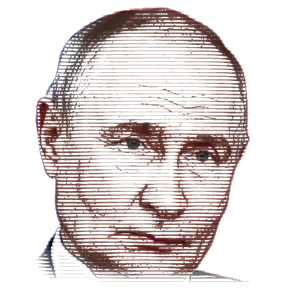 Vladimir Putin
Chapters
-
0:00
The Fall of Orbán and the New Hungarian Era
Hungary has elected a new government that will overturn Viktor Orbán's illiberal rule, ending his alliance with Russia and China. Orbán used a specific voting mechanism to convert a plurality of votes into a supermajority, ensuring long-term control.
-
3:30
The Reasons for Orbán's Defeat and the Rise of Fidesz
Corruption and public dissatisfaction led to high turnout, allowing the opposition to win both rounds and seize power. The new majority will quickly downgrade Russian and Chinese embassies and prioritize rejoining European security norms.
-
4:39
The Challenge of Removing Cronies and Reforming Courts
While a two-thirds majority makes reform easier, removing 16 years of entrenched cronies from courts will take significant time.
-
4:55
The Opportunity for European Foreign Policy Consolidation
Removing Hungary's pro-Russian stance eliminates a major obstacle to European unity on defense and security policy. Historical ethnic divisions between Austria, Hungary, and Slovakia create lingering resistance to full European consensus.
-
7:02
The Obstacle Posed by Slovakia's Pro-Russian Leadership
Slovakia remains under a leader with an Orbán-like outlook, preventing the new Hungarian government from achieving total consensus.
Key points
- 0:00
Hungary has elected a new government that will overturn Viktor Orbán's illiberal rule.
- 0:00
Orbán used a unique electoral system to guarantee his party a supermajority in parliament.
- 3:30
High voter turnout and public dissatisfaction caused Orbán's party to lose its majority status.
- 3:30
The new government will immediately downgrade Russian and Chinese embassies in Budapest.
- 3:30
The new Prime Minister has prioritized rejoining European security norms and the Ukraine war stance.
- 4:39
Removing Orbán's cronies from the Supreme Court will take more than a year to complete.
- 4:55
Eliminating Hungary's pro-Russian voice allows Europe to consolidate its defense budgets and security policy.
- 4:55
Historical ties from the Austro-Hungarian Empire still influence the political views of Austria, Hungary, and Slovakia.
- 7:02
Slovakia remains under a leader with an Orbán-like outlook who can still veto European consensus.
Who and where
People · 1
-
Vladimir Putin 1
President of the Russian Federation
Photo 1
1. Photo: Пресс-служба Президента России, CC BY 4.0, via Wikimedia Commons · Wikidata · redrawn in our house style (Vladimir Putin)
Related episodes

Russia is Absolutely PANICKING About Hungary’s Election Results
Paul J. Warburg
Viktor Orban served Russia by stalling European unity and Ukraine aid until his people rejected his corrupt manipulation. The defeat of Orban shows that people can reject dishonest narratives and choose leaders based on vision rather than fear.
Russia is Absolutely PANICKING About Europe’s €90 Billion Loan to Ukraine
Paul J. Warburg
Europe's €90 billion loan structure is strategically brilliant because it guarantees Ukraine long-term funding while creating future leverage over Russian leaders through frozen assets. This strategic approach is good news for ending the war.
Magyar Tries to Rebuild the Visegrád Group
Peter Zeihan
The meeting is not a political alliance based on election results but a strategic shift where the Visegrád Group gains voting power. The Central Europeans can now stand up for themselves on day-to-day government issues.
Ukraine Just Humiliated Russia in the Best Possible Way
Paul J. Warburg
The approved loan represents a decisive defeat of Russia on the political and economic fronts. This moment marks a decisive shift comparable to the American Revolution and World War II.
The Two-Speed EU of the Future
Peter Zeihan
Europe cannot reform its institutions quickly enough because it lacks the cultural and legal structures for federalism, and no devastating conflict has yet occurred to force change. The EU will likely fracture under pressure rather than negotiate incrementally into a more federal structure.
AI-generated summary · model qwen3.5:9b-12k · prompt version whole-3.window-7.combine-10.s-f4be8e ·
video id AvC_QxY6jr8 ·
Watch on YouTube