China Tries to Build Sand Bases, Again
 Peter Zeihan
3 min
The new larger island will sink bigger and crack bigger than previous attempts. The outcome is not worrisome but anticipated as a delightful disaster when military plans based on these flawed islands are tested.
Chapters
-
0:00
China's Return to Sand Base Construction
The video discusses China's recent decision to resume building artificial islands in the South China Sea after a seven-year hiatus, noting that previous attempts failed due to structural instability.
-
0:46
The Technical Flaws of Sand Islands
It explains that dredging sand and coral to build islands creates unstable structures that inevitably sink or crack within a few years, rendering runways and hangars useless. The resumption of this failed strategy follows the removal of advisors who previously warned the leader that the plan was a waste of money.
-
2:00
Expectations for Future Failure
The new, larger island will suffer even greater structural failure than previous attempts, sinking bigger and cracking more severely. The outcome is not worrisome but anticipated as a delightful disaster when military plans based on these flawed islands are tested.
Key points
- 0:00
China has resumed building a larger artificial island in the Paracels after stopping for seven years.
- 0:46
Previous sand-based structures settled and became useless within 48 months to five years.
- 0:46
Runways on the old islands cracked and planes could no longer land on them.
- 0:46
Reinforced hangars on those islands started to crack open within a few years.
- 0:46
China stopped the project seven years ago after losing advisors who warned it was a stupid plan.
- 0:46
Those removed advisors were willing to tell the leader that the plan was wasting a lot of money.
- 2:00
The new larger island will sink bigger and crack bigger than the previous smaller ones.
- 2:00
The outcome is anticipated as a delightful disaster when military plans based on this are tested.
Related episodes
The Limits of China's Military Reach
Peter Zeihan
China utterly lacked the military means in order to protect that trade even within sight of its own shore. But we now know that if they do go down, they're going to be taking the fuel systems of a half a dozen countries that the United States cares a fair amount about as a side effect.

The U.S. Navy Goes Down Under
Peter Zeihan
The U.S. Navy's plan to station submarines in Australia assumes the global system is broken beyond repair. Creating conditions that force a broken global system raises concerns about stability.
Taking Naval Options Away from China
Peter Zeihan
New weapon systems deployed by Japan and the US permanently lock China into the western side of the first island chain. China is screwed because every nation in the region now has the ability to destroy its economy by interrupting sea lanes.
 3:41
China Gets a New Base in Southeast Asia
Peter Zeihan
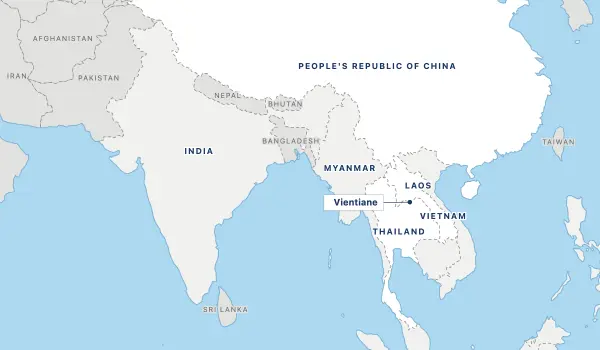
China is building a self-sufficient base in Laos to project power across Southeast Asia despite the high risk of conflict with Thailand. Thailand represents a significant strategic hurdle because it is the most capable country in the region with a history of resisting foreign control.
Can China Break Through the First Island Chain?
Peter Zeihan
China cannot break through the First Island Chain without the United States because it lacks the resources to conquer the necessary territories. An alliance of the First Island Chain nations is not needed because China is incapable of taking on the whole thing.
AI-generated summary · model qwen3.5:9b-12k · prompt version whole-3.window-7.combine-10.s-f4be8e ·
video id TyJH8qbc8ck ·
Watch on YouTube