My Two Cents on the AI Debate
 Peter Zeihan
4 min
The current debate over AI safety is actually a positive sign of open conversation. The current debate does not need to bear fruit until the 2040s when supply chains are rebuilt.
-
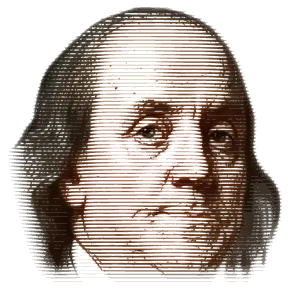 Benjamin Franklin
-
 Bernie Sanders
-
 Steve Bannon
-
 Mike Johnson
-
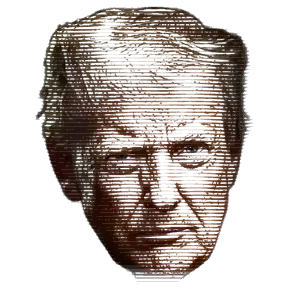 Donald Trump
Chapters
-
0:00
The AI Safety Debate
Whistleblowers claim top AI leaders recognize the danger of their technology and suggest slowing development for safety reasons.
-
0:17
The Political Obstacle
Public leaders agree on slowing AI but cannot act because they hold different opinions on the specific problems and solutions. The United States spends ten times more on AI hardware than China and holds a massive technological lead in chip manufacturing.
-
2:30
The Supply Chain Reality
Global supply chains for AI chips are fragile and will fail in four to six years, rendering current debates moot. Past technological disruptions like the electric loom caused societal upheaval, making current open debate a positive sign.
Key points
- 0:17
Whistleblowers claim top AI leaders recognize the danger of their technology.
- 0:17
Public leaders agree on slowing AI but cannot act due to differing opinions.
- 0:17
The United States spends ten times more on AI hardware than China.
- 0:17
China cannot manufacture chips better than 28 nanometers independently.
- 0:17
Current AI systems run on hardware five nanometers and smaller.
- 0:17
China would reject international agreements to hobble AI development.
- 2:30
The United States will lose the ability to maintain AI chip supply chains soon.
- 2:30
AI capable chips will burn out in four to six years.
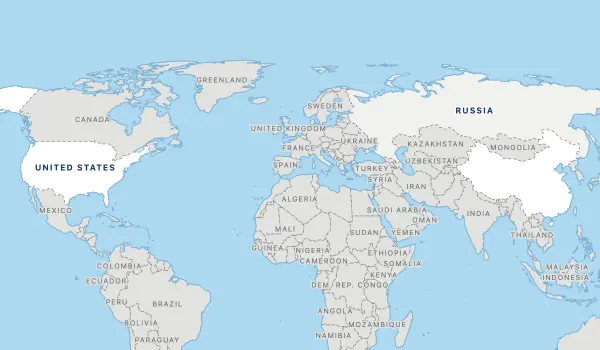
On the map
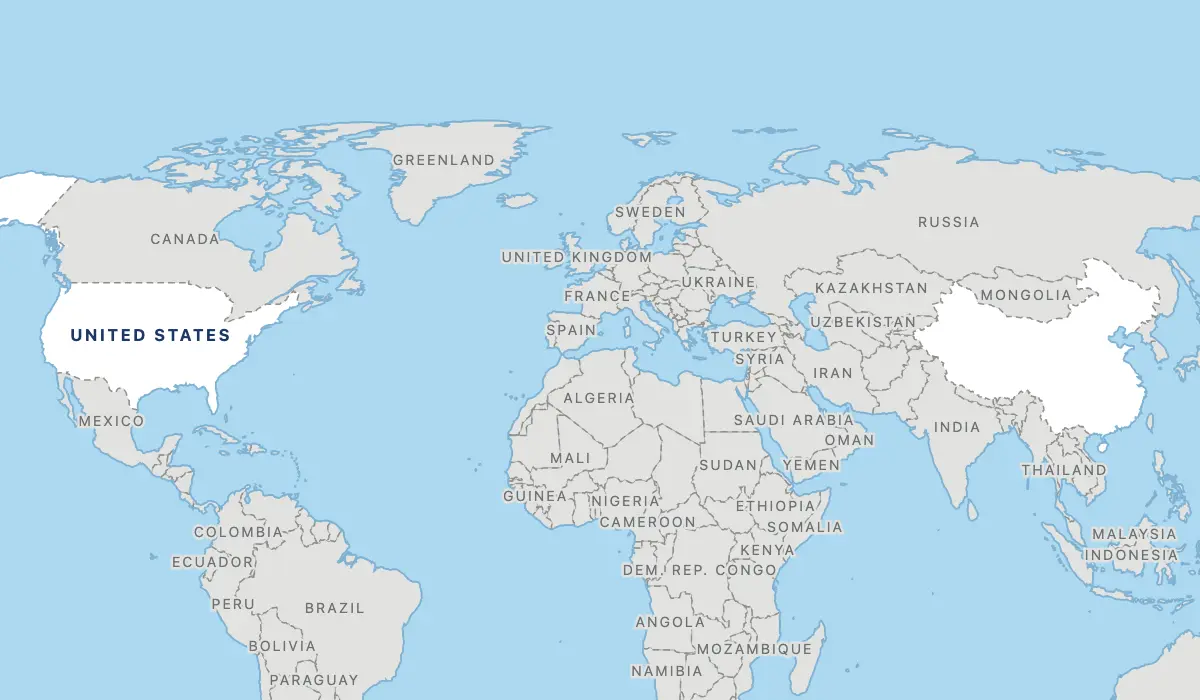
Who and where
Places · 2
- People's Republic of China 5
- United States 4
People · 5
-
Benjamin Franklin 1
American polymath and statesman (1706–1790)
Photo 1
-
Bernie Sanders 1
United States Senator from Vermont
Photo 2
-
Steve Bannon 1
American media executive & political strategist (born 1953)
Photo 3
-
Mike Johnson 1
Speaker of the United States House of Representatives
Photo 4
-
Donald Trump 1
President of the United States (2017–2021; since 2025)
Photo 5
1. Photo: Joseph-Siffred Duplessis, Public domain, via Wikimedia Commons · Wikidata · redrawn in our house style (Benjamin Franklin)
2. Photo: Palácio do Planalto from Brasilia, Brasil, CC BY 2.0, via Wikimedia Commons · Wikidata · redrawn in our house style (Bernie Sanders)
3. Photo: Gage Skidmore, CC BY-SA 4.0, via Wikimedia Commons · Wikidata · redrawn in our house style (Steve Bannon)
4. Photo: United States Congress, Public domain, via Wikimedia Commons · Wikidata · redrawn in our house style (Mike Johnson)
5. Photo: Daniel Torok, Public domain, via Wikimedia Commons · Wikidata · redrawn in our house style (Donald Trump)
Organisations · 2
- Anthropic 1
- ChatGPT 1
Related episodes
 3:31
The AI Race: U.S. vs. China
Peter Zeihan
China cannot compete in AI because export restrictions prevent them from building the necessary high-end hardware. The structural issues regarding data and ethics are irrelevant because the race comes down to hardware access.
 4:44
Can AI-Driven Robots Save Japan?
Peter Zeihan
Japan must develop autonomous robots because it cannot import labor due to racism and faces a massive workforce shortage. The project looks pretty promising as it merges long-term Japanese automation efforts with new frontier technology.
 13:20
Data Centers: A Necessary Evil...Kinda
Peter Zeihan
Data centers are necessary for modern economic function because removing them would force a return to manual paper-based systems resulting in significantly lower standards of living. While data centers have negative effects like high energy use, eliminating them would condemn millions to low-value jobs and drastically reduce personal incomes.
 26:15
Ukraine’s Massive Advantage Over Russia is Now Impossible to Ignore
 Paul J. Warburg
Modern democracies win wars and long-term competition because market incentives drive continuous innovation, while dictatorships stagnate due to fear of success. The future belongs to societies where youth are incentivized to build technology that solves problems rather than just seeking military salaries.
 33:13
Why I’m Not Worried About Ukraine Losing U.S. Support
Paul J. Warburg
There are absolutely zero concerns that withdrawing U.S. support will create a catastrophe for Ukraine because the U.S. is not providing decisive aid. Public opinion creates a ceiling on how bad things can get, limiting U.S. actions against Ukraine.


AI-generated summary · model qwen3.5:9b-12k · prompt version whole-3.window-7.combine-10.s-f4be8e ·
video id UoqizA1bOjc ·
Watch on YouTube