The AI Race: U.S. vs. China
 Peter Zeihan
4 min
China cannot compete in AI because export restrictions prevent them from building the necessary high-end hardware. The structural issues regarding data and ethics are irrelevant because the race comes down to hardware access.
Chapters
-
0:00
Ethical Misconceptions
Silicon Valley companies mine user data just as aggressively as China does, negating any ethical advantage China might have.
-
1:03
Hardware Limitations
Export restrictions prevent China from accessing the extreme ultraviolet machines needed to produce high-end semiconductors below seven nanometers. AI performance depends on the number of computations per chip and power consumption, which current Chinese chips cannot match.
Key points
- 0:22
Silicon Valley companies actively mine personal data without regard for privacy.
- 1:03
China cannot import extreme ultraviolet machines required for high-end semiconductors.
- 1:03
Export limits cap Chinese semiconductor production at approximately four to five nanometers.
- 1:03
High-end AI requires chips in the two to four-nanometer range.
- 1:03
Large language models rely almost exclusively on specific GPU chips.
- 1:03
Better chips enable more computation per unit of power.
On the map
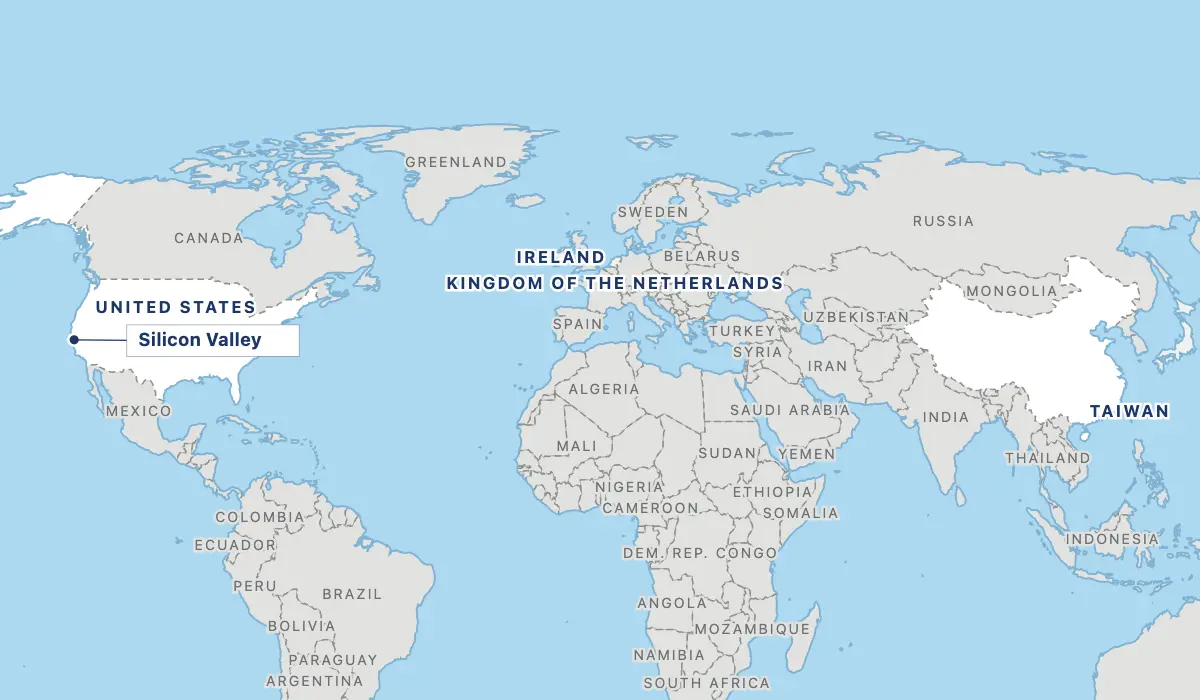
Who and where
Places · 7
- People's Republic of China 6
- United States 3
- Silicon Valley 2
- Ireland 1
- Kingdom of the Netherlands 1
- Taiwan 1
- Japan 1
Organisations · 3
- ASML Holding 1
- Facebook 1
- Meta Platforms 1
Related episodes
 3:58
My Two Cents on the AI Debate
Peter Zeihan
The current debate over AI safety is actually a positive sign of open conversation. The current debate does not need to bear fruit until the 2040s when supply chains are rebuilt.



 +1
 4:44
Can AI-Driven Robots Save Japan?
Peter Zeihan
Japan must develop autonomous robots because it cannot import labor due to racism and faces a massive workforce shortage. The project looks pretty promising as it merges long-term Japanese automation efforts with new frontier technology.
 13:20
Data Centers: A Necessary Evil...Kinda
Peter Zeihan
Data centers are necessary for modern economic function because removing them would force a return to manual paper-based systems resulting in significantly lower standards of living. While data centers have negative effects like high energy use, eliminating them would condemn millions to low-value jobs and drastically reduce personal incomes.
 21:55
China’s Biggest Problem Just Got SO MUCH Worse
 Paul J. Warburg
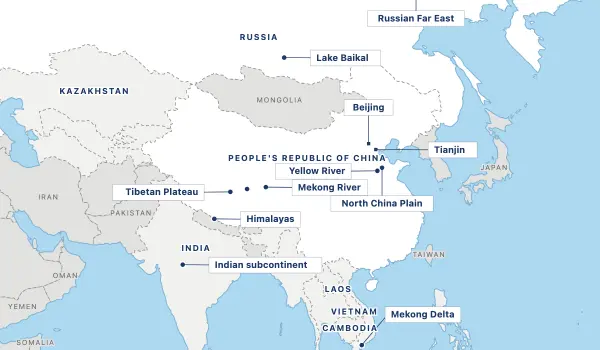
China's water shortage puts them at a structural disadvantage against AI competitors and increases their incentive to provoke water conflicts. China's only real solution is geopolitical, potentially involving damming rivers or bringing water from Russia.
 28:31
Something Utterly Bizarre Just Happened in China
Paul J. Warburg
China's technological dominance masks a fundamental weakness caused by massive debt and a lack of domestic energy resources. In the net, in China, what we see is a house of cards that is reported on as if it were a house of steel.
AI-generated summary · model qwen3.5:9b-12k · prompt version whole-3.window-7.combine-10.s-f4be8e ·
video id wFHIwUqKuqI ·
Watch on YouTube