The Revolution in Military Affairs: Water Wars
 Peter Zeihan
6 min
Industrial bases and military power require water at the start of development. Uzbekistan will likely invade Kyrgyzstan and Tajikistan to control remaining water sources.
Chapters
-
0:00
The Difficulty of Moving Water
Water is hard to move due to hydrogen bonding and high costs.
-
0:47
Economic Development Follows Water
Industrial bases and military power require water at the start of development.
-
2:50
The Nile River Conflict
Ethiopia and Sudan are taking water that was historically reserved for Egypt. Cotton plantations in Central Asia have dried up the Aral Sea.
-
5:03
Upcoming Regional Conflict
Uzbekistan will likely invade Kyrgyzstan and Tajikistan to control remaining water.
Key points
- 0:00
Water is hard to move because it clings to surfaces due to hydrogen bonding.
- 0:47
Moving large volumes of water requires expensive canals or energy-intensive pipes.
- 0:47
Economic development starts with water to grow food before building an industrial base.
- 0:47
Industrial bases are necessary to build a military capable of projecting power.
- 0:47
Countries that conquer dry lands must stay there to become meaningful powers.
- 2:50
Ethiopia and Sudan are diverting Nile water away from Egypt despite colonial treaties.
- 2:50
Egypt faces collapse or war if upstream nations continue taking water.
- 2:50
Central Asian cotton farming has dried up the Aral Sea by 90%.
- 5:03
Uzbekistan will likely invade Kyrgyzstan and Tajikistan to control remaining water sources.
- 5:47
The Central Asian conflict will be local because population centers are stacked together.
- 5:47
Water distribution conflicts in the US and elsewhere are rarely cross-border issues.
Related episodes
Will the Drought in Iran Cause Political Change?
Peter Zeihan
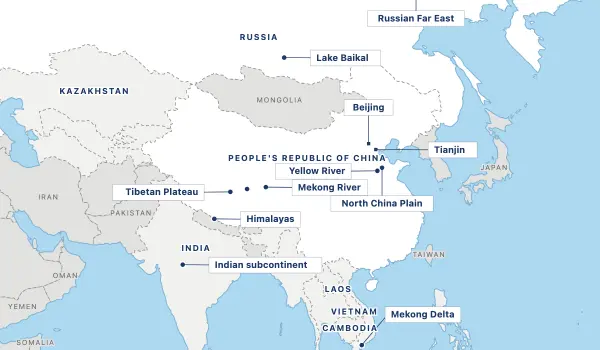
The short answer is probably not that this will cause political change. They're moving in the right direction in order to buy themselves more time.
 21:55
China’s Biggest Problem Just Got SO MUCH Worse
 Paul J. Warburg
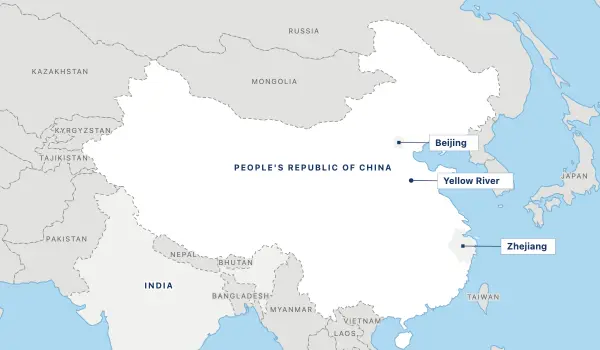
China's water shortage puts them at a structural disadvantage against AI competitors and increases their incentive to provoke water conflicts. China's only real solution is geopolitical, potentially involving damming rivers or bringing water from Russia.
There's a BIG Crisis Brewing for Russia in Occupied Ukraine
Paul J. Warburg
Russia has effectively destroyed the value of the land that they've taken. Liberation for Russia actually looks like: if I can't have it, you can't have it either.
 4:02
What Happens When China Runs Out of Water?
Peter Zeihan
The People's Republic of China is going to vanish in the next couple of decades. The People's Republic of China is going to vanish in the next couple of decades.
 3:35
What Happens When Fossil Water Runs Out?
Peter Zeihan
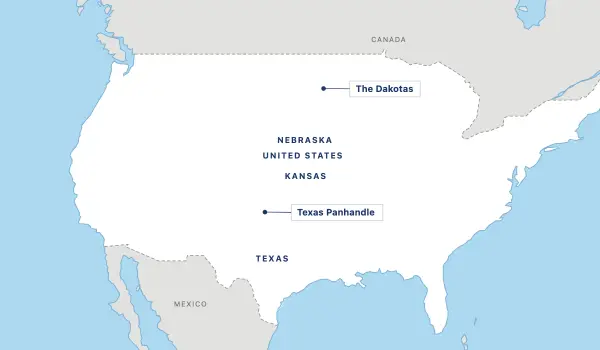
Three regions will cease to be agriculturally producing zones within the next 20 to 30 years. The problem is honestly drilling for water in these zones.
AI-generated summary · model qwen3.5:9b-12k · prompt version whole-3.window-7.combine-10.s-f4be8e ·
video id rnCs7KBXSV8 ·
Watch on YouTube