Ground Drones Hit the Frontlines in Ukraine
 Peter Zeihan
6 min
The emergence of ground drones makes it very difficult for any sort of projection-based military to push force somewhere else. We're not going to figure that out in six months.
Chapters
-
0:00
Introduction to Ground Drones
Ground drones are small, lightweight devices weighing about 90 pounds that resemble off-road radio-controlled toys. They serve two primary functions: direct frontal assaults where they drive up and explode, or being dropped behind enemy lines to attack logistics. These units differ significantly from the large robotic tanks often imagined in popular culture.
-
1:16
Tethered Mechanics and Electronic Warfare
Drones used for direct assaults rely on fiber optic cables that prevent jamming but limit range and maneuverability. When dropped behind enemy lines, digital tethers are impossible due to distance, so an aerial drone acts as a relay to control them. This strategy allows the drones to operate in areas where electronic warfare normally focuses forward and upward. The deployment of these drones has gutted the ability to supply parts to the front lines, creating a no-go zone for vehicles without strong electronic warfare capabilities. This disruption explains recent progress in retaking territory throughout September. The technology will soon be adopted by other nations like Iran and the Houthis. The emergence of ground drones makes it very difficult for any sort of projection-based military to push force somewhere else. Past methods relying on daily diesel convoys through saturated areas are no longer viable against moving IEDs. Finding new solutions for these supply chains will not happen in six months.
Key points
- 0:21
Ground drones weigh about 90 pounds at max.
- 0:21
They resemble little off-road radio controlled toys.
- 0:21
Tethered drones cannot be jammed but have limited range.
- 0:21
Ground drones can park and wait for hours or days.
- 2:37
Electronic warfare is normally directed forward and up.
- 2:37
An aerial drone acts as a relay for ground units.
- 2:37
The last 100, 150 kilometers has become a no-go zone.
- 2:37
This technology will soon be used by the Iranians and Houthis.
- 2:37
Logistical supply is the hardest thing for the U.S. Army to do.
On the map
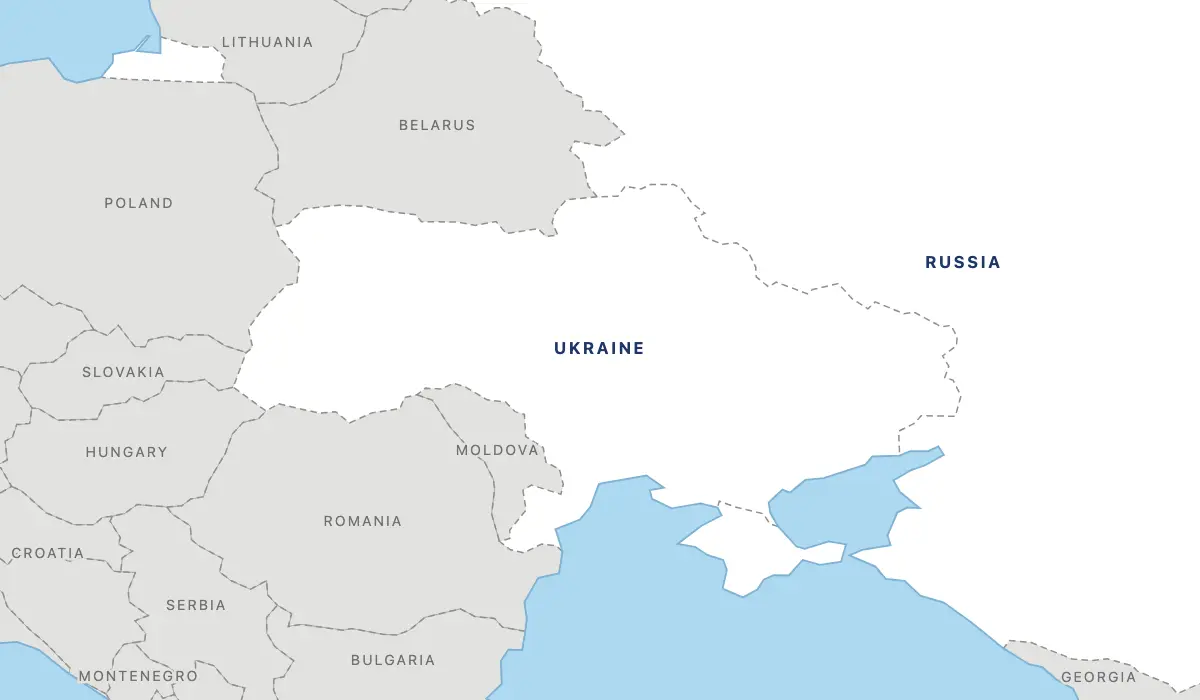
Who and where
Places · 7
- Russia 12
- Ukraine 8
- Pakistan 1
- United States 2
- Afghanistan 1
- Yemen 1
- Iran 1
Related episodes
 4:11
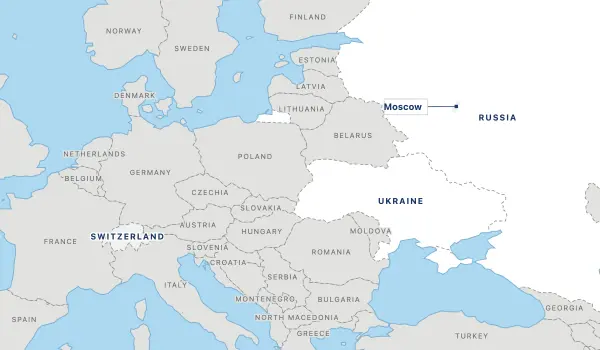
Ukraine Finally Pushes the Frontline Back
Peter Zeihan
Ukraine has reshaped battlefield tactics by using memory drones to starve Russian front lines of supplies. The tide of battle has changed significantly for Ukraine as tanks return to fight.

 5:51
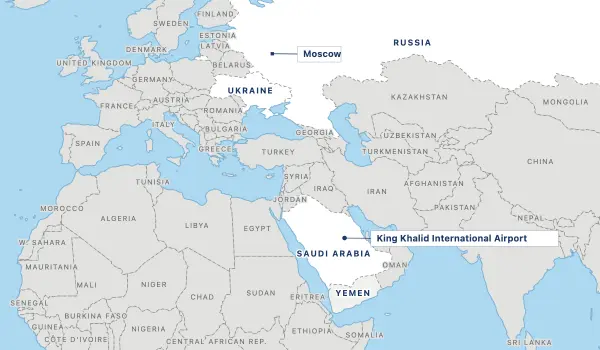
Defending the Homefront from Cheap Drones
Peter Zeihan
The entire industrial age needs to find a new way to operate because we are not ready for this. It is time to start noodling fast, hopefully, about what a post-drone economy can even be.

Ukraine’s New Strategy is an Absolute Nightmare for Russia
Paul J. Warburg
Ground robotics provide the only solutions currently conceivable to problems created by drone warfare. Ukraine's ground robotics are just now reaching a point of becoming exceptionally and exponentially more useful.
 18:54
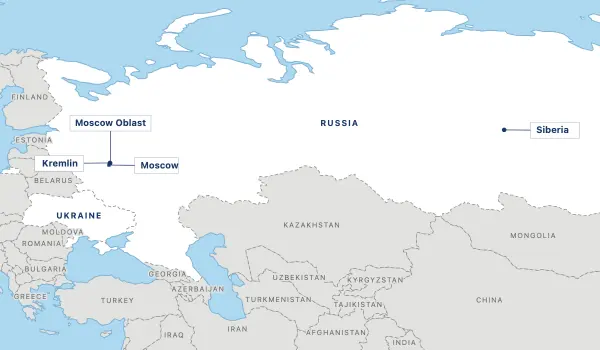
Ukraine Just Absolutely HAMMERED Moscow…Again!
Paul J. Warburg
Ukraine is winning the war of attrition by using cheap, scalable drone swarms to overwhelm Russia's defenses, while Russia is forced into an unsustainable cycle of expensive missiles and depleted air defense systems. As Russia runs out of air defenses and concentrates them in Moscow, Ukraine will soon be able to strike targets across the Russian Arctic, Siberia, and Far East.
The Future of Drone Tech: Hybrid Drones
Peter Zeihan
Hybrid drones have doubled Ukrainian strike range to 100 kilometers, making Russian force massing impossible. If Ukraine clears minefields during the summer offensive season, they will achieve a decisive tactical advantage.
AI-generated summary · model qwen3.5:9b-12k · prompt version whole-5.window-7.combine-10.s-f4be8e ·
video id QzXckJvKXuw ·
Watch on YouTube