Should the U.S. Military Invade Yemen?
 Peter Zeihan
6 min
The United States faces an ugly choice between a difficult military occupation or accepting Iranian control over Gulf energy. A military solution is too involved to recommend, leaving the only viable option as a political deal with Iran.
Chapters
-
0:00
The Historical Rebellion of Yemen
Yemen is described as a mountainous region with an ornery population that has rebelled against regional powers for over 3,000 years. The terrain and water resources allow the local inhabitants to sustain themselves while resisting external control. This long history of defiance makes the country difficult for any major power to govern effectively.
-
2:15
The Strategic Difficulty of Intervention
The Houthis control territory that allows them to operate without needing coastal access, making military occupation extremely difficult. Any attempt to remove them would require fighting in the mountains against a population of 30 million people. This scenario combines the worst logistical challenges of Afghanistan and Iraq into a single conflict.
-
4:33
The Regional Threat Beyond Yemen
Iranian weapons can strike targets across the region from within Iran itself, rendering the removal of Yemen insufficient for security. Even securing Iraq would not solve the problem because Iranian forces can still operate directly from their own soil. The situation presents an ugly choice between a political deal with Iran or abandoning control of the Gulf.
Key points
- 0:28
Yemen has rebelled against regional powers for at least 3,000 years.
- 0:53
The Houthis possess enough territory to function even if the water table collapses.
- 0:53
Iran provides missiles and drones with a range exceeding 100 miles.
- 0:53
Coastal control is unnecessary because weapons can be fired from inland positions.
- 0:53
Removing the Houthis requires occupying a country with 30 million people.
- 0:53
The conflict combines the worst-case scenarios of Afghanistan and Iraq.
- 3:04
Iranian weapons have a range of about 600 miles covering the entire region.
- 3:04
Attacks can originate directly from Iran without needing bases in Yemen or Iraq.
- 3:04
Securing the Gulf requires physically occupying Yemen, Iraq, and Iran simultaneously.
- 3:04
The alternative is making a political deal with Iran to allow oil flow.
- 3:04
Without intervention, the Middle East cannot be controlled or influenced effectively.
On the map
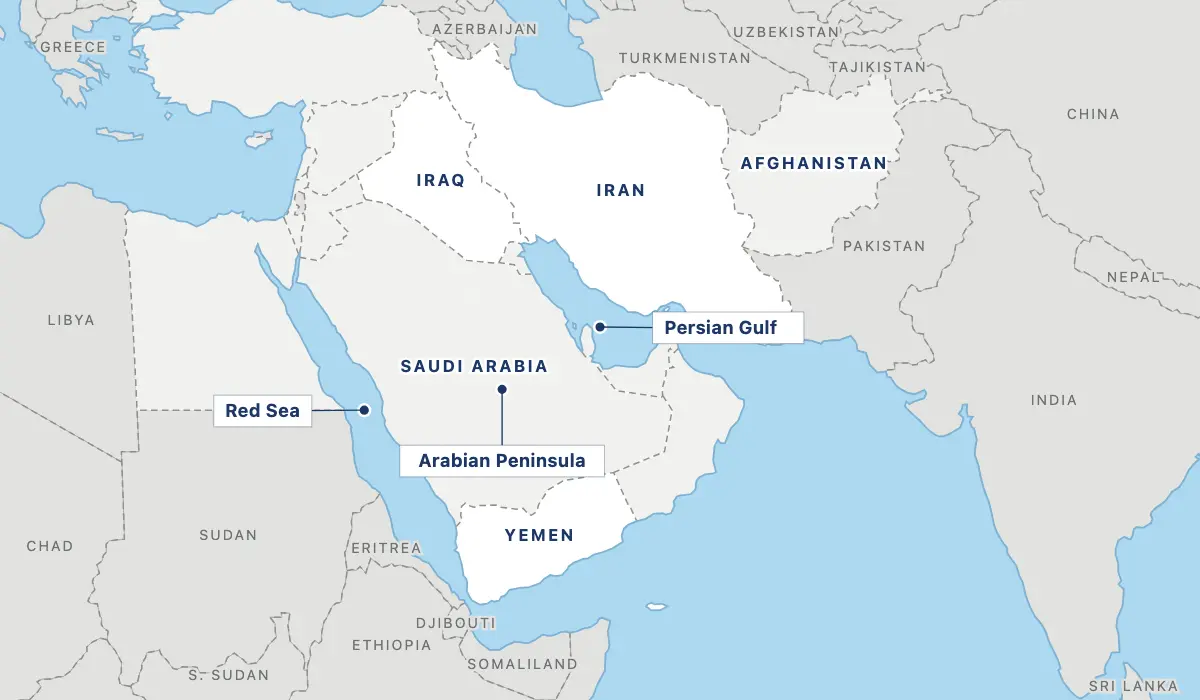
Who and where
Places · 10
- Yemen 10
- Iran 10
- Iraq 6
- Persian Gulf 3
- United States 3
- Saudi Arabia 3
- Afghanistan 2
- Red Sea 2
- Middle East 2
- Arabian Peninsula 1
Organisations · 1
- Houthis 2
Related episodes
 9:10
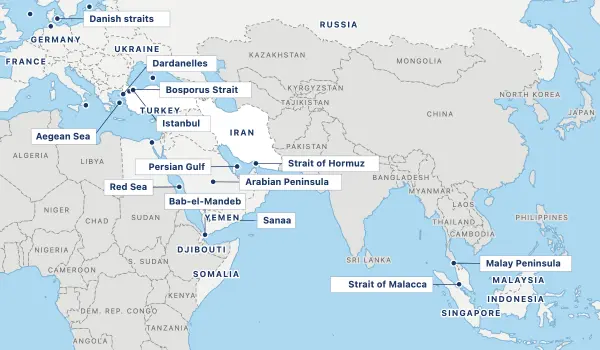
The Collapse of the World's Strategic Straits - Part 2
Peter Zeihan
The world is shifting from free international waterways to regulated choke points where local powers charge tolls and restrict global trade. This shift creates a new global order where nations near these straits hold immense leverage over energy and commerce.
Houthis Declare Open Season on Saudi Arabia
Peter Zeihan
The Houthis threaten Saudi oil infrastructure via Iranian-supplied drones, but logistical hurdles make immediate success doubtful. Time will tell if the hardware arrives and whether it can cause significant damage.
So You Want to Take Iran's Oil…
Peter Zeihan
There is no good way to take other countries' oil. We will be in occupation in the Middle East just like we were for the bulk of the last 25 years.

 5:27
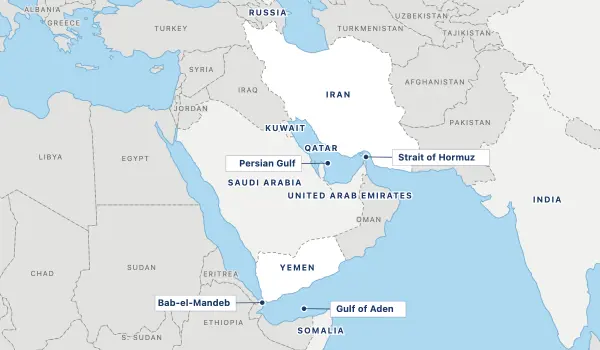
Global Shipping Comes Under Attack
Peter Zeihan
No country can defend all eight major transit choke points simultaneously. No nation or coalition can keep global sea lanes safe anymore.

What You AREN’T Being Told About the War in Iran
Paul J. Warburg
The war in Iran consists of two distinct conflicts where the US wins the first but loses the second. The US will declare victory in the first war while ignoring the second, effectively losing it.
AI-generated summary · model qwen3.5:9b-12k · prompt version whole-5.window-7.combine-10.s-f4be8e ·
video id wrdx5RsbmOY ·
Watch on YouTube