Russia’s Tech Companies Just Entered Full Panic Mode
 Paul J. Warburg
22 min
Russia is facing a permanent, systemic crisis in its cloud infrastructure that will worsen over time due to destroyed capacity and lack of global redundancy. The true scale of the damage remains hidden because both cloud companies and the Russian government suppress negative information to protect their interests.
Chapters
-
0:00
Ukraine strikes Russian data centers and warehouses
Recent events prove that Russia's history is defined by things getting worse, as Ukraine attacked VK's data center in St. Petersburg. This strike caused massive structural damage, exposing the facility to the elements while stretching Russian air defenses. Simultaneously, Ukraine hit Ozon warehouses, layering new targets on top of existing infrastructure damage. These coordinated attacks demonstrate that Ukraine is not moving on from one category but expanding its scope.
-
3:28
Russian government blames companies for air defense failures
The Russian government attempts to shift blame for these vulnerabilities onto individual large corporations rather than the state itself. Officials suggest that companies like VK are irresponsible if they cannot protect their own facilities and threaten penalties or takeover. This narrative ignores the reality of a systemic shortage of air defense systems across the entire country. The speaker notes this is a deliberate tactic to avoid admitting national failure.
-
4:52
Russian tech companies enter panic mode with conflicting messages
Russia's technology sector is now in full panic mode, sending contradictory messages to the public and customers. While some cloud providers tell clients to move their data for safety, they simultaneously claim services are running normally. The speaker, drawing on personal experience in tech PR, asserts that the reality is far worse than official statements suggest. This creates a situation where the truth about the damage is being actively suppressed.
-
9:45
Systemic cloud crisis due to capacity loss and sanctions
Russia is facing a systemic crisis in its cloud industry, not just temporary infrastructure issues. Major providers like Yandex are operating at only 30% of historical capacity due to destroyed facilities. This collapse is compounded by deep sanctions making it difficult and expensive to import necessary components like memory. While average consumers might still connect, enterprise-grade technology activities will be permanently hampered.
-
15:36
Lack of data redundancy makes Russia uniquely vulnerable
Unlike most countries, Russia lacks the ability to offload data to other regions if local centers are destroyed. Government laws require all citizen data to be stored within Russian borders, removing the safety net of global redundancy. As strikes continue, Russia will lose access to its own data permanently without an alternative location to switch to. This creates a progressively worsening situation that is unique to the Russian context.
-
19:53
Industry suppression prevents accurate reporting on damage
The true scale of the damage is hidden because cloud industry experts are incentivized to suppress negative information. Companies fear that admitting vulnerabilities will destroy shareholder value and ruin their reputation, leading to internal censorship of truthful reports. This corporate silence is compounded by the Russian government's pressure on companies to hide the extent of the destruction. Consequently, accurate analysis from outside experts is unlikely to be published or heard.
Key points
- 0:00
Ukraine recently attacked VK, Russia's largest social media platform, causing massive structural damage to its data center.
- 1:05
The Russian government blames large companies like VK for air defense failures instead of admitting national shortages.
- 4:42
Russia's tech companies tell customers to move data while simultaneously claiming services are running normally.
- 8:45
Major cloud provider Yandex is currently operating at only 30% of its historical capacity due to strikes.
- 9:52
Deep sanctions make it incredibly difficult and expensive for Russia to import necessary data center components like memory.
- 14:41
Russian laws require all citizen data to be stored within Russian borders, eliminating global redundancy options.
- 15:33
As local centers are destroyed, Russia will permanently lose access to its own data without an alternative location.
- 18:33
Cloud industry experts are not incentivized to share the full truth because negative messages could destroy shareholder value.
- 20:01
Corporate censorship combined with government pressure ensures accurate reporting on the scale of damage will be suppressed.
- 11:54
The combination of destroyed infrastructure and lack of redundancy creates a progressively worsening systemic crisis for Russia.
- 9:52
Average consumers may still connect, but enterprise-grade technology activities will be permanently hampered by capacity loss.
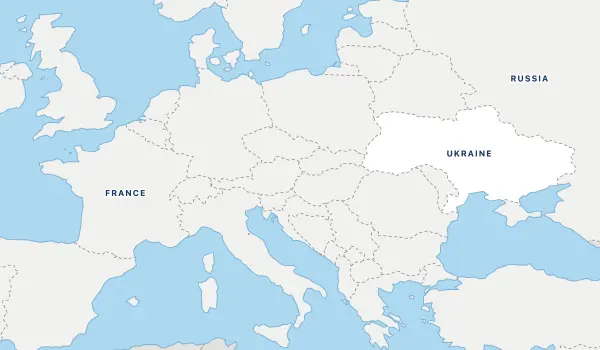
On the map
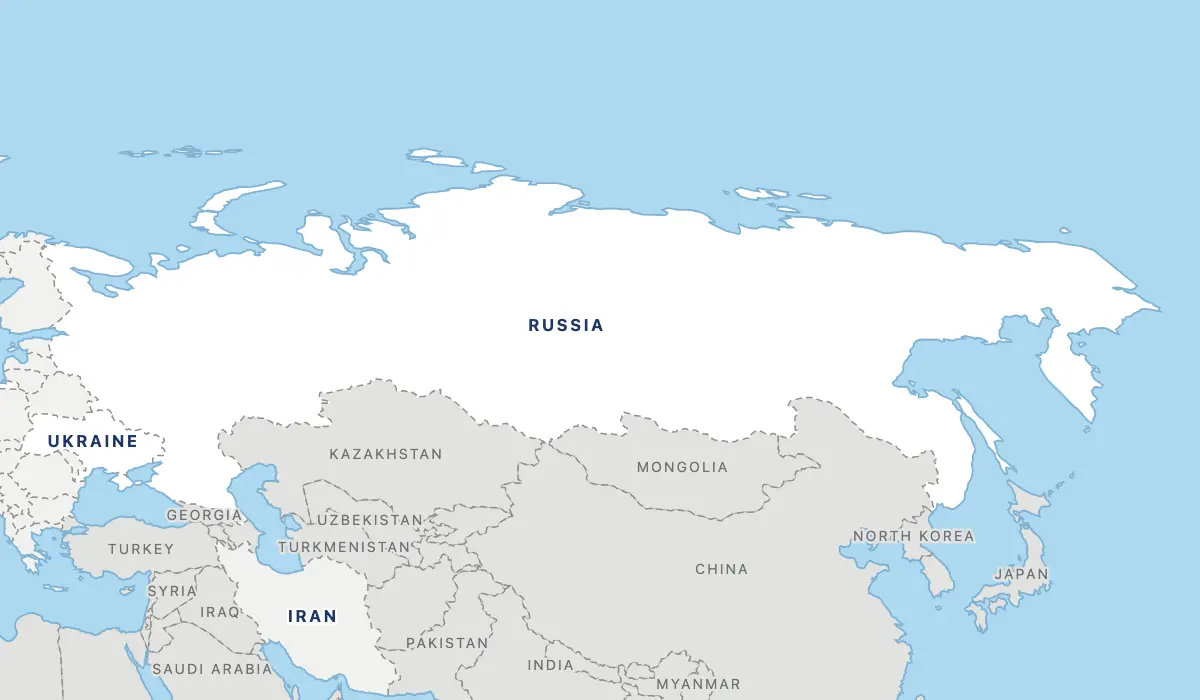
Who and where
Places · 5
- Russia 62
- Ukraine 16
- Europe 2
- Iran 2
- United States 2
Related episodes
 18:56
Ukraine Just Sent Russia Back to the Stone Age
Paul J. Warburg
Russia is definitely now going to get left behind even further than they already were. In either case, Russia's data center problem is massive, and it's quickly growing tendrils into other areas that Russia likely never anticipated.



 4:58
Attacks on Russian Data Centers: It's Not About Bots
 Peter Zeihan
If you pull the plug on that, send them back 40 years or more, you get some catastrophic outcomes. That's what's going on in Russia right now with the Ukraine war.
 18:54
Ukraine Just Absolutely HAMMERED Moscow…Again!
Paul J. Warburg
Ukraine is winning the war of attrition by using cheap, scalable drone swarms to overwhelm Russia's defenses, while Russia is forced into an unsustainable cycle of expensive missiles and depleted air defense systems. As Russia runs out of air defenses and concentrates them in Moscow, Ukraine will soon be able to strike targets across the Russian Arctic, Siberia, and Far East.
 33:13
Why I’m Not Worried About Ukraine Losing U.S. Support
Paul J. Warburg
There are absolutely zero concerns that withdrawing U.S. support will create a catastrophe for Ukraine because the U.S. is not providing decisive aid. Public opinion creates a ceiling on how bad things can get, limiting U.S. actions against Ukraine.


Russia’s Oil Tycoons are Now Preparing for Sudden Collapse
Paul J. Warburg
Russia faces sudden economic collapse due to halted oil production and frozen infrastructure. The end of the war in Ukraine is getting closer as Russia runs out of money to fund its military.
AI-generated summary · model qwen3.5:9b-12k · prompt version whole-5.window-7.combine-10.s-f4be8e ·
video id zOuAiWw0Vok ·
Watch on YouTube