Oil Pricing Is Going Crazy
 Peter Zeihan
4 min
A severe break in the security environment allows the market to function differently. By the time we get to the end of the year, unless something is resolved politically, we're going to be looking at outright breaks in supply lines.
Chapters
-
0:00
Global Oil Price Surge
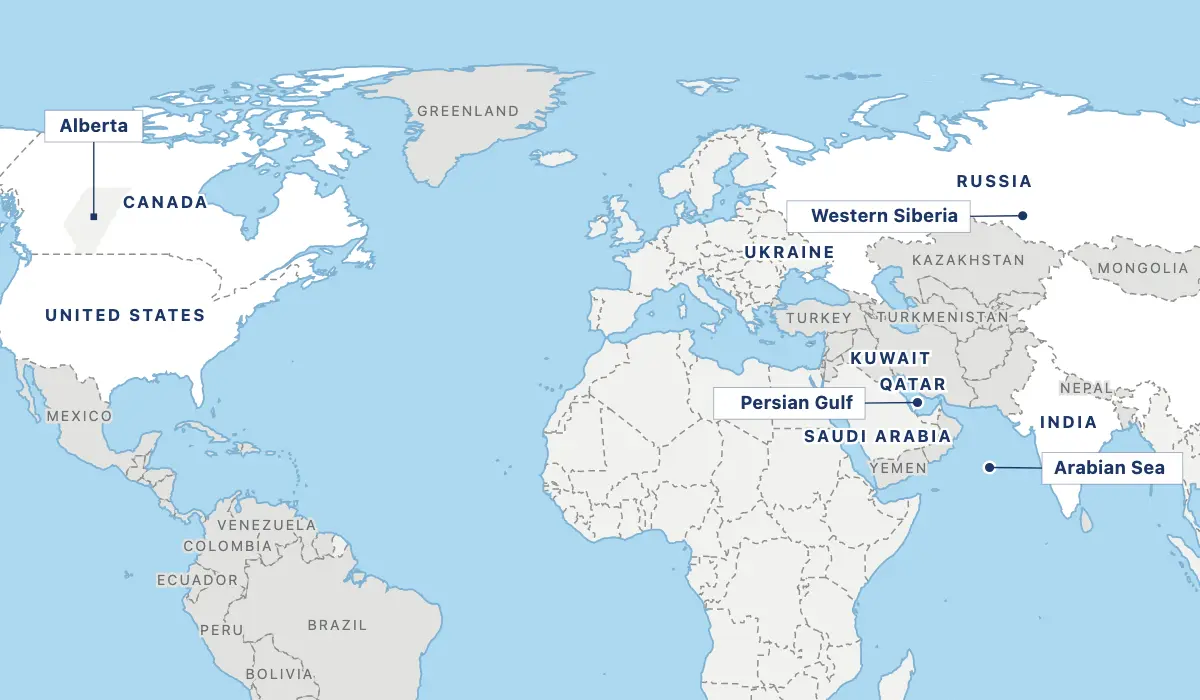
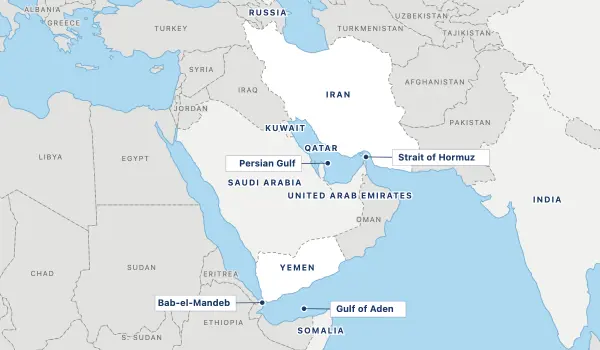
Base oil prices reach $105 a barrel, but complex transport logistics significantly increase the actual cost to buyers. Surcharges for insurance and extended shipping routes caused by geopolitical instability add substantial fees to the final price. Long-haul transport adds at least $25 per barrel to crude prices, pushing final costs over $40 for certain regions.
-
0:24
Regional Market Disparities
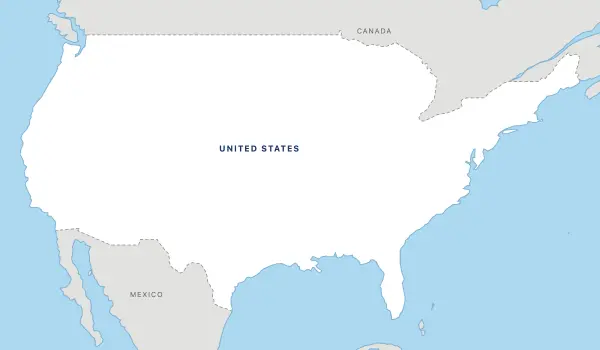
Security breaks cause massive price differences between regions, allowing some countries to profit while others suffer losses. The United States benefits from minimal transport costs, whereas Canada loses money because its oil is piped domestically rather than exported globally. Supply lines will face outright breaks by year's end unless political issues are resolved.
Key points
On the map
Who and where
Places · 18
- Persian Gulf 4
- Canada 2
- India 2
- Europe 2
- People's Republic of China 2
- United States 2
- Russia 1
- Arabian Sea 1
- Western Siberia 1
- Qatar 1
- Africa 1
- Alberta 1
- United Arab Emirates 1
- Kuwait 1
- Southeast Asia 1
- Saudi Arabia 1
- Japan 1
- Ukraine 1
Related episodes
 6:18
The Great Oil Split Has Begun
Peter Zeihan
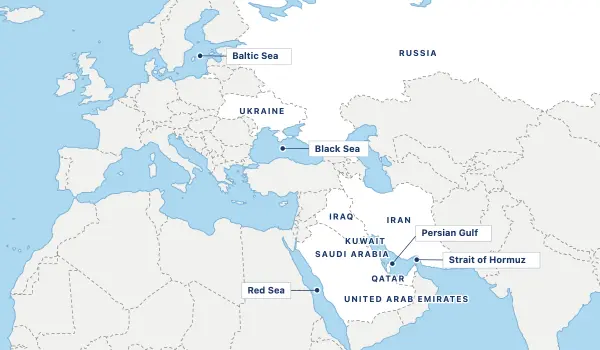
The United States has a functional ceiling on its energy prices of around $70 while Europe and Asia pay double or triple that amount due to transport disruptions. This fragmented market state is going to be the norm for the bulk of the next 20 years.
 18:12
Russia’s Oil Nightmare Just Returned IN FORCE
 Paul J. Warburg
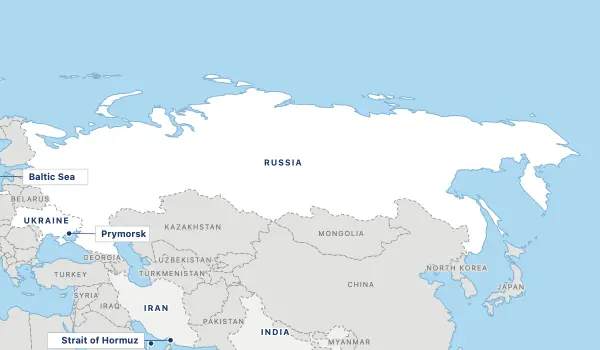
Russia faces a catastrophic financial scenario because its own data predicts oil prices will drop to $53 per barrel while it loses customers and production capacity. The point is, Russia already had their luck, and now their luck has run out.
 6:07
The Diesel Shortage Hits America
Peter Zeihan
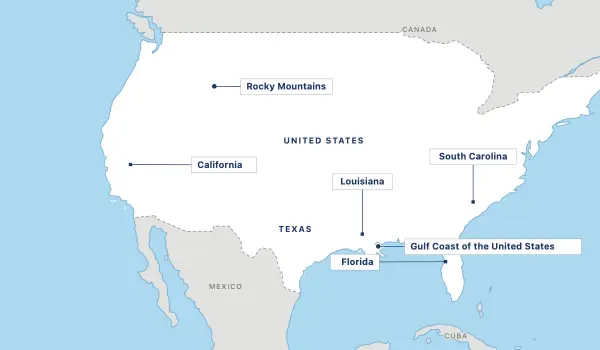
Diesel shortages will reverberate through the entire American economy for months. The US faces guaranteed transport problems affecting everything moved throughout the country for at least the next 18 months.
 5:27
Global Shipping Comes Under Attack
Peter Zeihan
No country can defend all eight major transit choke points simultaneously. No nation or coalition can keep global sea lanes safe anymore.
 5:14
The End of U.S. Strategic Petroleum Reserve
Peter Zeihan
Repeated usage is functionally ending the salt dome's useful lifespan. So either we have a new multi-billion dollar project authorized by Congress to establish an entirely new reserve, or the United States has to do something else in order to regulate markets.
AI-generated summary · model qwen3.5:9b-12k · prompt version whole-5.window-7.combine-10.s-f4be8e ·
video id --6RjZZ7U18 ·
Watch on YouTube