India Has Three Major Problems (At The Moment)
 Peter Zeihan
4 min
The normal things that produce stability in India at the moment are offline and inverted to cause instability. You should expect this to get significantly worse before it gets better.
Chapters
-
0:00
The Fertilizer Crisis
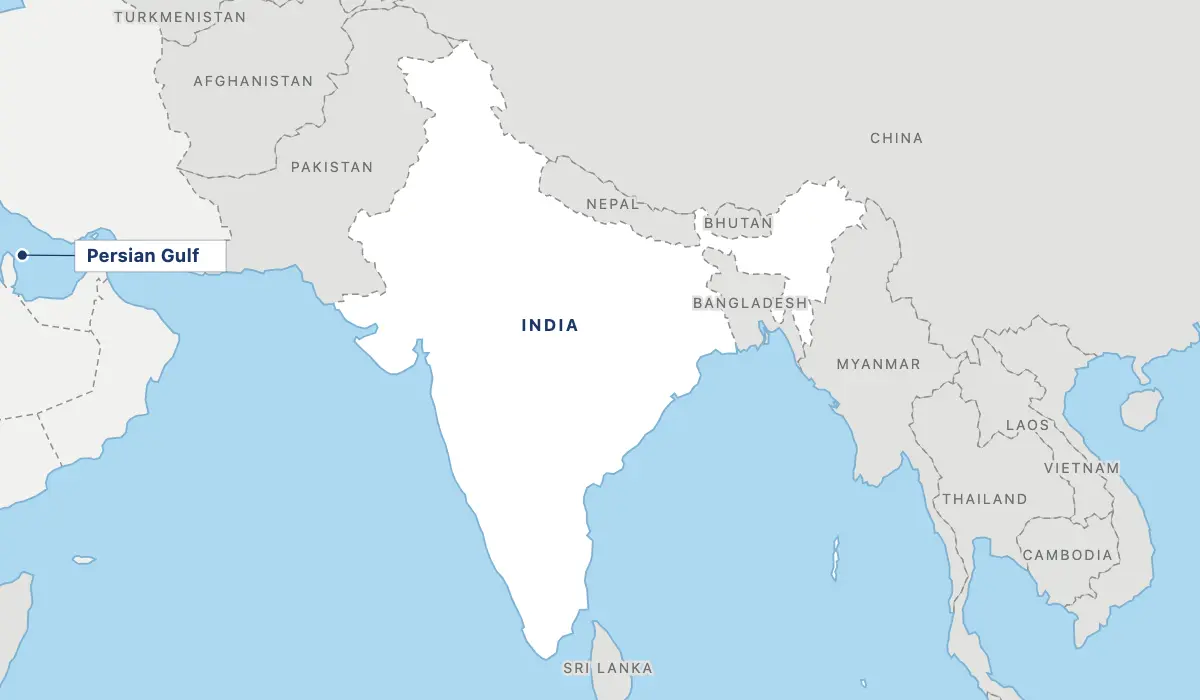
A war in the Persian Gulf prevents facilities from processing natural gas to make fertilizer, keeping finished products offline despite crude oil availability. India is the single largest consumer of these inputs and requires them to feed its population of 1.5 billion people. The country's inefficient transport system causes significant food rot, forcing farmers to grow even more crops to compensate for losses.
-
2:03
Clashing Forms of Corruption
Vote brokers gather rural poor voters by giving them money and telling them who to vote for. The government is attempting to remove about 15% of registered voters from the voting rolls, creating a clash between two forms of corruption. This conflict causes larger protests involving farmers and urban poor populations alongside educated citizens demanding services. Normal stabilizing factors in India are currently offline and inverted, causing significant instability rather than resolving the issues. Protests involving young educated people, desperately poor individuals, and farmers have emboldened each other after receiving concessions. The situation is expected to get significantly worse before it improves due to these converging pressures.
Key points
- 0:00
Finished fertilizer products cannot come online unless the security situation in the Persian Gulf is completely addressed.
- 0:48
India is easily the single largest consumer of fertilizer inputs and finished fertilizer from the Persian Gulf.
- 0:48
A country of about 1.5 billion people needs every little bit of productivity they can to feed their population.
- 1:21
A lot of food rots before it gets to where it needs to go due to inefficiency in the transport system.
- 1:21
Vote brokers gather rural poor voters by giving them money and telling them who to vote for.
- 1:21
The government is attempting to remove about 15% of registered voters from the voting rolls.
- 1:21
When corrupt vote brokers argue with a corrupt government, anyone caught in the crossfire collaborates damage.
- 1:21
Urban educated people are protesting regarding services, educational opportunities, and job opportunities from the government.
- 3:13
Young educated people, desperately poor people, and farmers are all causing havoc at the same time.
- 3:13
The normal things that produce stability in India at the moment are offline and inverted to cause instability.
On the map
Who and where
Places · 3
- India 10
- Persian Gulf 2
- Middle East 1
Related episodes
 6:07
The Diesel Shortage Hits America
Peter Zeihan
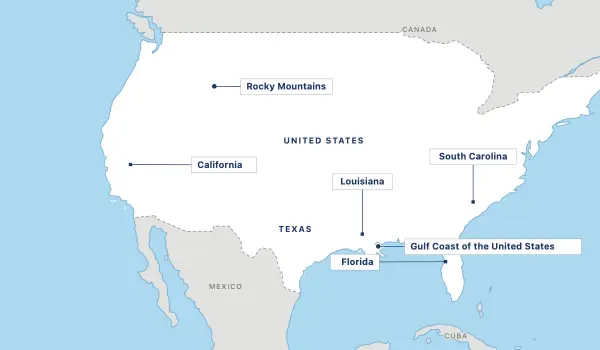
Diesel shortages will reverberate through the entire American economy for months. The US faces guaranteed transport problems affecting everything moved throughout the country for at least the next 18 months.
 21:55
China’s Biggest Problem Just Got SO MUCH Worse
 Paul J. Warburg
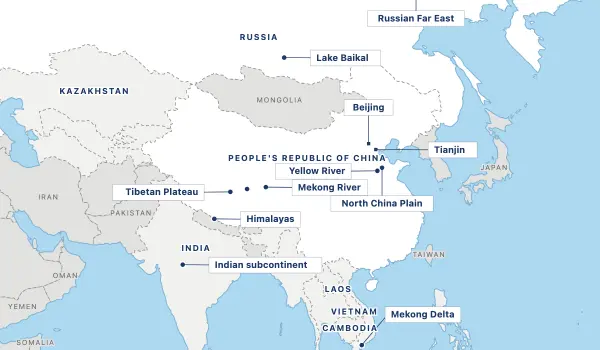
China's water shortage puts them at a structural disadvantage against AI competitors and increases their incentive to provoke water conflicts. China's only real solution is geopolitical, potentially involving damming rivers or bringing water from Russia.
 6:18
The Great Oil Split Has Begun
Peter Zeihan
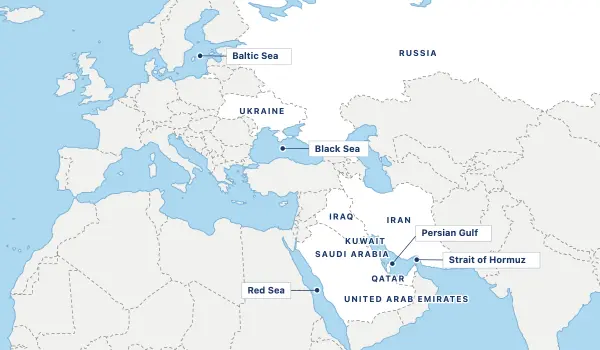
The United States has a functional ceiling on its energy prices of around $70 while Europe and Asia pay double or triple that amount due to transport disruptions. This fragmented market state is going to be the norm for the bulk of the next 20 years.
Russia Did NOT Expect India to Do This
Paul J. Warburg
India is shifting its strategic alignment from Russia to Ukraine because Ukrainian military technology and survival outcomes are superior. India's nationalist ideology prioritizes its own survival and independence, leading it to potentially separate from both Russia and China by adopting Western-aligned military technology.
India: Overhyped or Global Player
Peter Zeihan
India matters not as a traditional global power but as a strategic broker controlling energy access. If the United States steps back, India will become the broker for global energy trade.
AI-generated summary · model qwen3.5:9b-12k · prompt version whole-5.window-7.combine-10.s-f4be8e ·
video id odpsUKa3kcI ·
Watch on YouTube