How Will the Elections Impact Serbia and Brazil?
 Peter Zeihan
7 min
Recent elections in Serbia and Brazil represent minor steps along a long road rather than landmark changes. No radical changes are expected in either country because they remain trapped by their specific geographic and historical constraints.
-
 Jair Bolsonaro
-
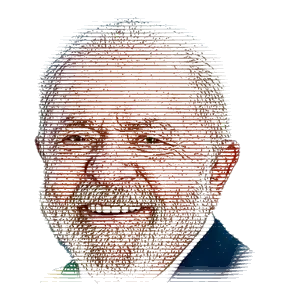 Luiz Inácio Lula da Silva
Chapters
-
0:00
Serbia's Student List Victory
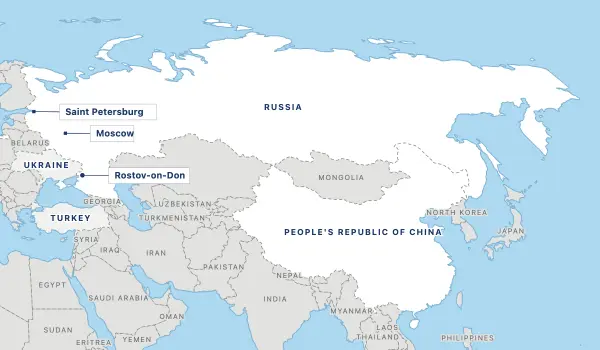
The video introduces Serbia as a Balkan nation along the Danube that historically served as a choke point for commerce and military projection. It details the recent election where the Student List party defeated long-time leader Vucic, marking a significant shift in domestic power dynamics. The new government includes diverse figures like a former central bank chief, indicating a move away from the previous administration's control.
-
2:06
Serbia's Limited Foreign Policy Shift
Despite the new government, Serbia is unlikely to drastically change its foreign policy orientation toward Russia or Europe. This is due to the Slavic ethnic connection between Serbs and Russians, which creates a natural affinity regardless of political leadership changes. Furthermore, the election focused on domestic economic reforms rather than altering international alliances or sanctions regarding the Ukraine war.
-
4:15
Brazil's Stagnant Political Cycle
The analysis shifts to Brazil, describing it as a large country with difficult geography where the economy is concentrated inland while the population lives on the coast. The recent election resulted in an upset victory for Lula over Bolsonaro, but this is viewed as a continuation of a long-standing cycle rather than a transformative event. Both candidates represent entrenched political cults that have dominated Brazilian politics for decades.
-
5:36
Brazil's Economic Debt Crisis
The analysis highlights Brazil's severe economic challenges, noting that the country carries a debt level of approximately 82% to 100% of its GDP. This high debt burden makes the nation vulnerable to financial collapse, especially as both political factions have historically struggled with fiscal management. The ongoing tug-of-war between these two groups suggests no immediate resolution to these deep structural economic problems.
Key points
- 0:00
The new Serbian government includes a former central bank chief within the Student List coalition.
- 2:06
Serbs maintain an ethnic connection to Russians despite recent political changes.
- 2:33
The Serbian election focused on domestic reforms rather than changing foreign policy.
- 2:33
Serbia remains stuck in the 1990s while former Yugoslav neighbors join the EU.
- 2:33
The Student List plans to finish negotiations with the EU before holding a referendum.
- 2:33
Serbia's stance on the Ukraine war involves opposing sanctions and pushing for an end to the conflict.
- 2:33
Brazil possesses a large population concentrated inland with difficult infrastructure connecting it to the coast.
- 4:46
Brazil punches below its weight in global affairs despite its large size.
- 5:08
The Bolsonaro family believes the Nazis were too soft on their domestic foes.
- 5:08
Lula is characterized as a poor manager who has not effectively used state tools for economic development.
- 5:08
Brazil holds the highest debt among large, diversified developing countries at roughly 82% of GDP.
On the map
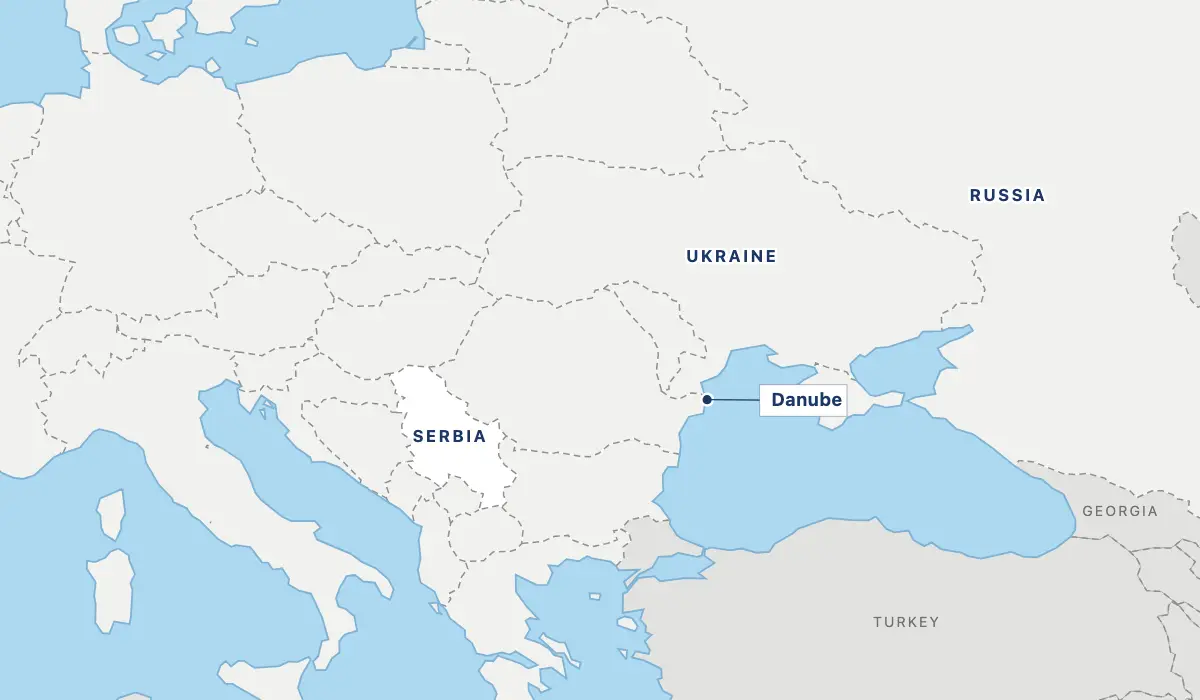
Who and where
Places · 8
- Serbia 7
- Brazil 3
- Russia 6
- Balkans 1
- Danube 1
- Europe 1
- People's Republic of China 1
- Ukraine 1
People · 2
-
Jair Bolsonaro 2
38th President of the Federative Republic of Brazil (2019–2023)
Photo 1
-
Luiz Inácio Lula da Silva 1
president of Brazil from 2003 to 2011 and since 2023
Photo 2
1. Photo: Palácio do Planalto from Brasilia, Brasil, CC BY 2.0, via Wikimedia Commons · Wikidata · redrawn in our house style (Jair Bolsonaro)
2. Photo: Palácio do Planalto from Brasilia, Brasil, CC BY 2.0, via Wikimedia Commons · Wikidata · redrawn in our house style (Luiz Inácio Lula da Silva)
Related episodes
 26:41
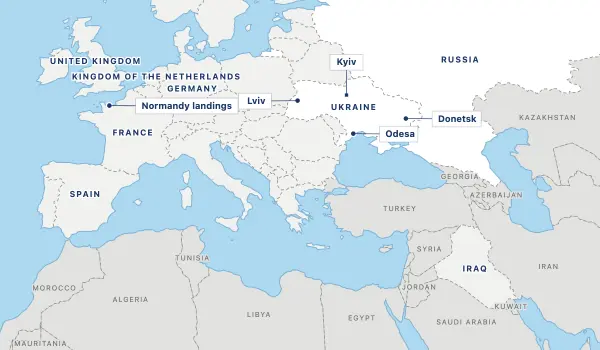
Ukraine’s D-Day May Be Coming Soon
 Paul J. Warburg
Sometimes, when things seem hopeless, all you have to do is hold on and actually have courage long enough for the enemy to break themselves against their own impatience. Personally, I see that as the most likely way this war ends through political change within Russia.


 11:31
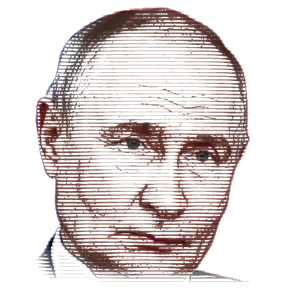
What Does Life After Donald Trump Look Like?
Peter Zeihan
Trump has destroyed the Republican Party's institutional capacity and mirrors the fragile personalist regimes of China and Russia. When these leaders leave, the result will be quick and complete collapse because governance is them.

 +5
 33:13
Why I’m Not Worried About Ukraine Losing U.S. Support
Paul J. Warburg
There are absolutely zero concerns that withdrawing U.S. support will create a catastrophe for Ukraine because the U.S. is not providing decisive aid. Public opinion creates a ceiling on how bad things can get, limiting U.S. actions against Ukraine.

The Demographics of Central Europe
Peter Zeihan
The Central European region is depopulating so severely that historical patterns suggest a future where Turkey expands northward to fill the vacuum. Considering the timeframe, a lot of us, whether we're watching from the outside or the inside, are going to live to see it because that's not that far from now.
A New Era in Hungary: Orbán Gets the Boot
Peter Zeihan
Hungary's election of a pro-European government removes a major obstacle to European unity, but Slovakia's continued alignment with Russia prevents full consensus. The new Hungarian government will quickly restore European norms, yet Slovakia remains a persistent barrier to complete unity.
AI-generated summary · model qwen3.5:9b-12k · prompt version whole-5.window-7.combine-10.s-f4be8e ·
video id TMFKSfeYEIM ·
Watch on YouTube