Trump Might Be Onto Something with Data Center Energy
 Peter Zeihan
6 min
The proposal indicates significant changes are coming if pushed forward. The proposal is a potential solution to current problems but faces serious political hurdles.
-
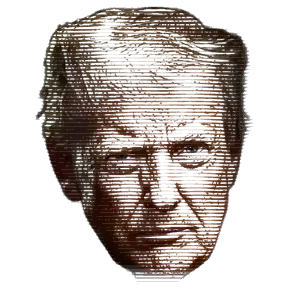 Donald Trump
Chapters
-
0:00
Trump's Proposal on Data Center Power
A late-night post suggests large facilities must generate their own power and return any surplus to the grid. This idea is not yet regulated but aligns with growing public concern over energy demands. It indicates that significant changes are coming if pushed forward.
-
1:14
The Massive Scale of Grid Expansion
Current AI data center plans require expanding the American power grid by approximately 25 percent. This expansion would normally take thirty years but is now needed immediately due to new industrial demands. Local communities cannot simply hook up massive power cords for these facilities.
-
2:15
Siting Restrictions and Power Sources
Data centers must be located near power plants, which pushes them away from populated areas due to noise and cooling needs. Reliable baseload power is required, ruling out most solar or wind without massive battery systems. This limits locations to nuclear, natural gas, or coal sources outside cities.
-
4:52
Regulatory Shifts and Federal Action
The proposal requires a two-way power flow system that currently does not exist at the federal level. Breaking down existing regional districts to allow this flow demands an act of Congress. This creates significant political challenges regarding local autonomy versus federal mandates.
Key points
- 0:00
Large data centers must provide their own power and supply surplus back to the grid.
- 0:38
Current AI data center plans require expanding the American power grid by about 25 percent.
- 0:38
Grid expansion normally takes thirty years but is now needed immediately for new industrial sectors.
- 0:38
Data centers must be located near power plants, limiting their proximity to population centers.
- 2:25
Reliable baseload power rules out most solar and wind without massive battery systems.
- 2:25
Baseload power generation typically relies on nuclear, natural gas, or coal sources.
- 2:25
Data centers must be placed outside populated centers due to noise and cooling requirements.
- 2:25
The proposal requires a two-way power flow system that currently does not exist.
- 4:34
Implementing this plan absolutely requires an act of Congress to break down regional districts.
- 4:34
The proposal challenges local autonomy while elevating federal involvement in energy issues.
- 5:33
Allowing specific subsectors to generate their own power raises concerns of oligarchy.
On the map
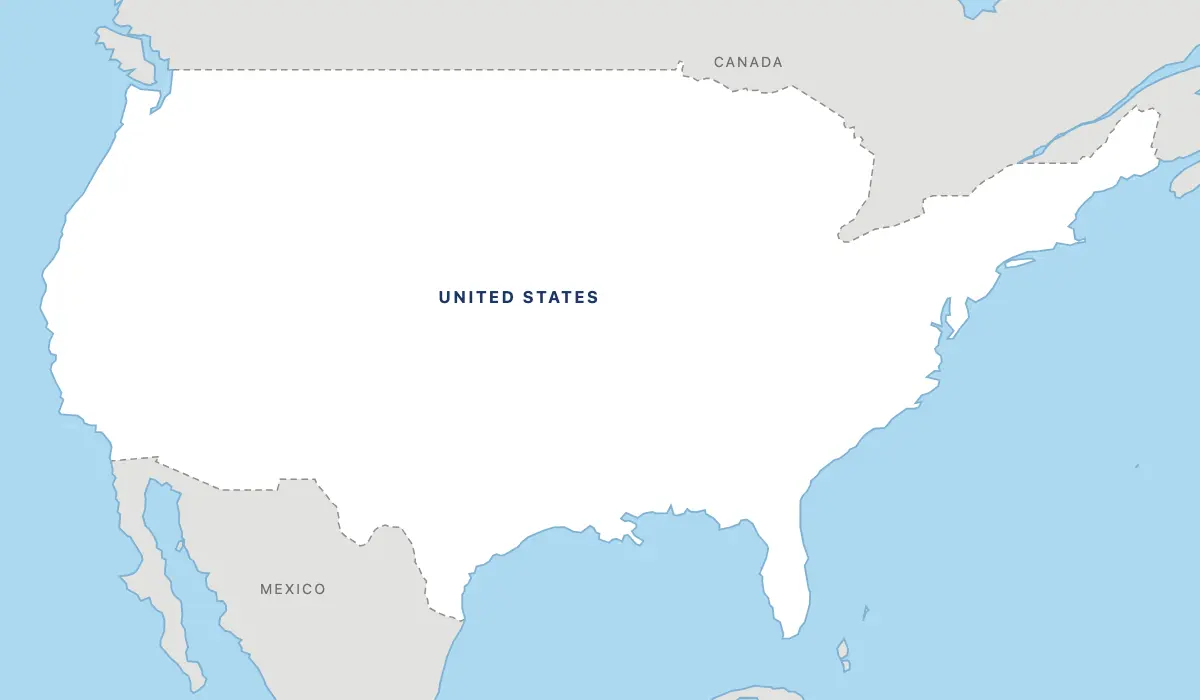
Who and where
Places · 2
- Truth Social 3
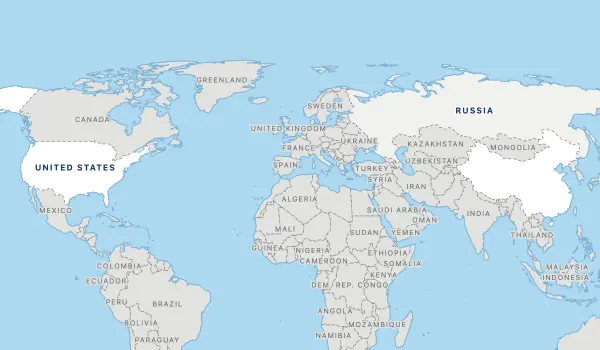
- United States 1
People · 1
-
Donald Trump 1
President of the United States (2017–2021; since 2025)
Photo 1
1. Photo: Daniel Torok, Public domain, via Wikimedia Commons · Wikidata · redrawn in our house style (Donald Trump)
Related episodes
 5:22
The Problem with the U.S. Power Grid
Peter Zeihan
The U.S. cannot unify its power grids soon because geography and local authority barriers prevent efficient long-distance transmission. Real progress requires adjacent jurisdictions to share resources before attempting national grid unification.
 5:44
Building Out the Power Grid: Large Power Transformers
Peter Zeihan
The United States cannot expand its grid by 50% to support reindustrialization because it lacks domestic large transformer production and faces severe permitting delays. Without significant changes in federal policy and domestic manufacturing, the US will fail to maintain its grid or reindustrialize.
 13:20
Data Centers: A Necessary Evil...Kinda
Peter Zeihan
Data centers are necessary for modern economic function because removing them would force a return to manual paper-based systems resulting in significantly lower standards of living. While data centers have negative effects like high energy use, eliminating them would condemn millions to low-value jobs and drastically reduce personal incomes.
 33:13
Why I’m Not Worried About Ukraine Losing U.S. Support
 Paul J. Warburg
There are absolutely zero concerns that withdrawing U.S. support will create a catastrophe for Ukraine because the U.S. is not providing decisive aid. Public opinion creates a ceiling on how bad things can get, limiting U.S. actions against Ukraine.

Why Space and Data Centers Don't Go Together
Peter Zeihan
Anyone who tells you that data centers in space are coming because we don't have room is lying to you. So anyone who tells you that data centers in space are coming because we don't have room is lying to you.
AI-generated summary · model qwen3.5:9b-12k · prompt version whole-5.window-7.combine-10.s-f4be8e ·
video id LvN9LK1J1a4 ·
Watch on YouTube