Project Vault Doesn't Solve the Mineral Problem
 Peter Zeihan
3 min
Project Vault fails to solve the mineral problem because most critical materials processing is done in China. Without diplomacy to secure resources from Canada, Australia, and Brazil, the initiative remains a rounding error.
Chapters
-
0:00
Project Vault Overview
The Trump administration launched Project Vault with $2 billion to buy rare earth mining tailings and build a US stockpile.
-
0:24
The Core Processing Problem
Most critical materials are byproducts; buying waste without building US processing capacity leaves dependence on China. Canada, Australia, and Brazil possess robust mining sectors necessary to break Chinese dependence.
-
2:36
Diplomacy as a Prerequisite
Without diplomacy to secure resources from these three nations, the initiative remains a rounding error.
Key points
- 0:00
Project Vault was set up by the Trump administration back in February.
- 0:24
The initiative allocates $2 billion to buy mining tailings rich in rare materials.
- 0:24
Critical materials like rare earths and gallium are byproducts of other processing.
- 0:24
Silver mines produce waste rich in rare earths as a byproduct.
- 0:24
Aluminum smelting produces material rich in gallium as a byproduct.
- 0:24
Seventy percent of critical materials processing is currently done in China.
- 0:24
Buying waste product from Chinese processing does not solve the core problem.
- 0:24
Building a reserve of refined metals does not take us far down the road.
- 0:24
Canada is identified as the first country with a robust mining sector.
- 0:24
Australia is identified as the second country with a robust mining sector.
- 0:24
Brazil is identified as the third country with a robust mining sector.
- 2:36
Diplomacy is required to secure resources from these three nations.
On the map
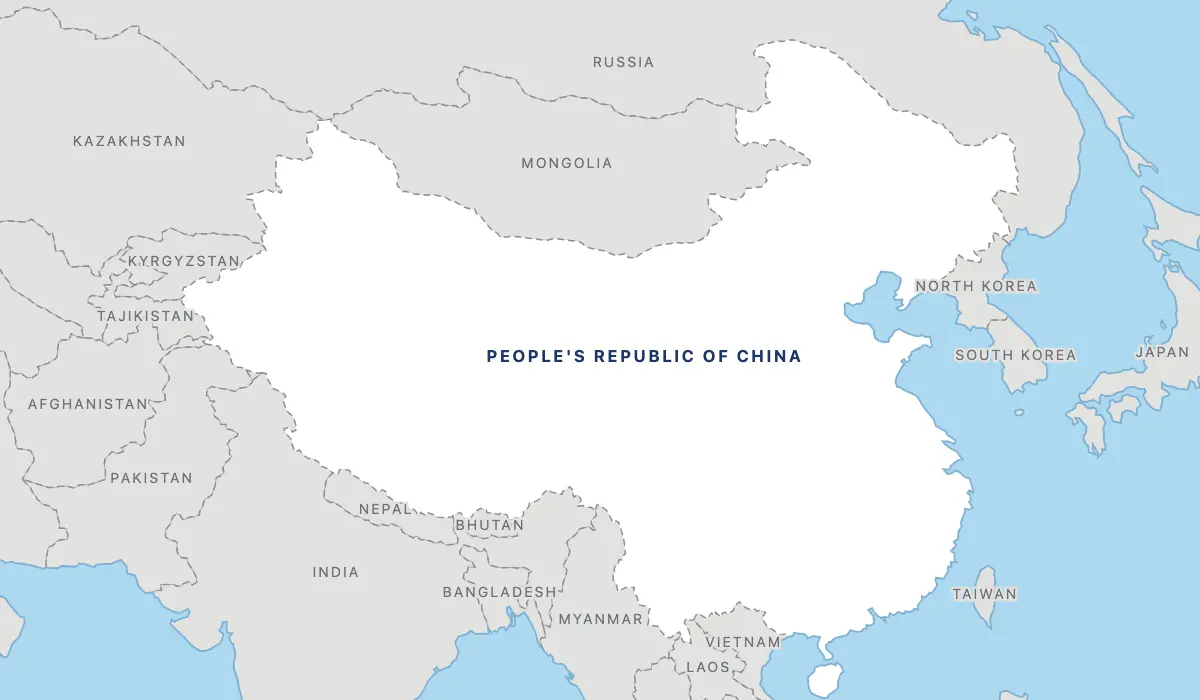
Who and where
Places · 5
- People's Republic of China 3
- United States 2
- Australia 1
- Brazil 1
- Canada 1
Organisations · 1
- first cabinet of Donald Trump 1
Related episodes
 25:39
China Just Lost Its Best Chokehold On The Global Economy
 Paul J. Warburg
China's long-term strategic hold on the global economy through rare earth metals is ending because its heavy rare earth supply is finite while other nations have untapped reserves. The geopolitical landscape is reversing as China faces a genuine supply shortage of heavy rare earths while the world develops alternatives.
 19:38
China Just Got Some Terrible News
Paul J. Warburg
China is afraid of losing Western markets and will not use coercion tactics that threaten its economic survival. Today, China, which traditionally has been more adversarial, finally got a really good check put in place on them.

 28:31
Something Utterly Bizarre Just Happened in China
Paul J. Warburg
China's technological dominance masks a fundamental weakness caused by massive debt and a lack of domestic energy resources. In the net, in China, what we see is a house of cards that is reported on as if it were a house of steel.
 21:55
China’s Biggest Problem Just Got SO MUCH Worse
Paul J. Warburg
China's water shortage puts them at a structural disadvantage against AI competitors and increases their incentive to provoke water conflicts. China's only real solution is geopolitical, potentially involving damming rivers or bringing water from Russia.
Trump Announces $12B Rare Earth Stockpile
Peter Zeihan
A $12 billion stockpile is insufficient because true independence requires building domestic processing infrastructure which currently lacks funding. Today, we are building the equivalent of a piggy bank that we still have to fill up.
AI-generated summary · model qwen3.5:9b-12k · prompt version whole-3.window-7.combine-10.s-f4be8e ·
video id sj9GLylXmeo ·
Watch on YouTube