The End of U.S. Strategic Petroleum Reserve
 Peter Zeihan
5 min
Repeated usage is functionally ending the salt dome's useful lifespan. So either we have a new multi-billion dollar project authorized by Congress to establish an entirely new reserve, or the United States has to do something else in order to regulate markets.
Chapters
-
0:00
The Strategic Petroleum Reserve's Unique Design
Explains the geological construction and operational mechanics of the SPR.
-
2:10
The Impact of Frequent Drawdowns
Describes how repeated usage has damaged the system's structural integrity. Concludes that the reserve has reached its limit and cannot be maintained.
Key points
- 0:00
The reserve was created in the 1970s after the first Arab oil embargo.
- 0:00
The United States holds about 20 million barrels of oil per day.
- 0:00
Salt domes provide a unique geological barrier for containing crude oil.
- 0:00
Water is injected to dissolve salt and create space for the oil.
- 0:00
Oil rises to the top of the salt dome because it is lighter than water.
- 0:00
Regulating oil levels requires pumping water in or crude out through specific pipes.
- 2:10
The system was designed for five major drawdowns during national emergencies.
- 2:10
Thirty-seven small drawdowns have occurred instead of the planned five large ones.
- 2:10
Repeated usage has dissolved too much salt to allow for future rapid drawdowns.
- 2:10
The reserve is nearing the end of its useful lifespan without re-engineering.
On the map
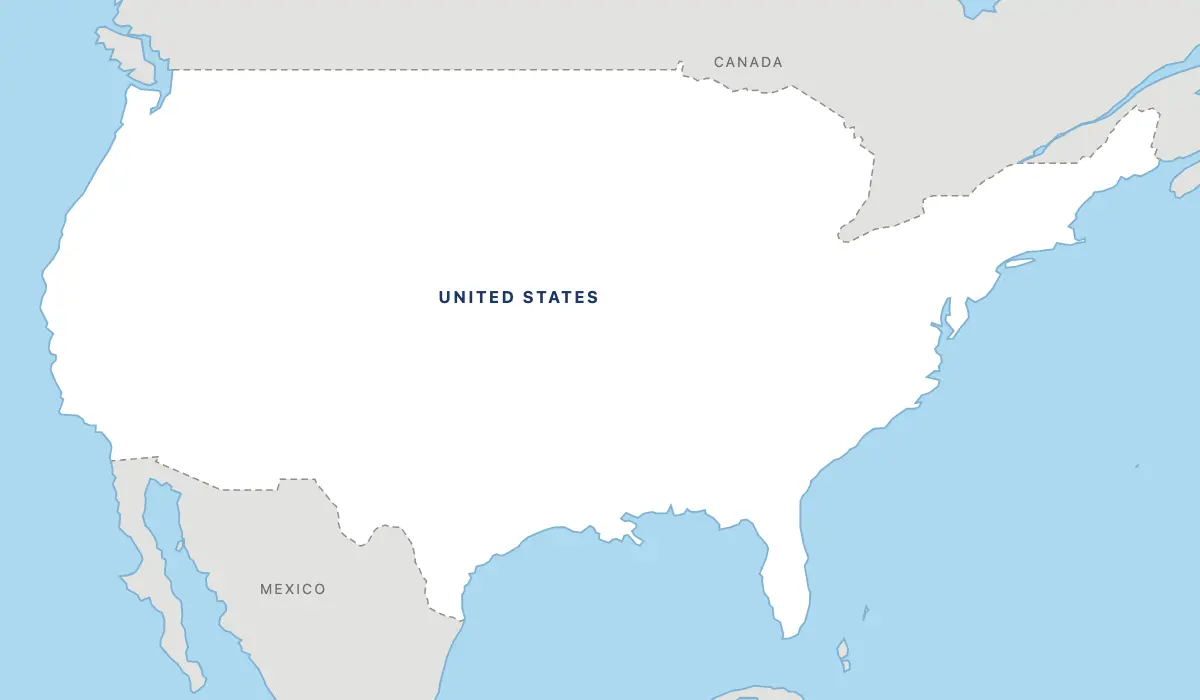
Who and where
Places · 2
- United States 27
- Middle East 1
Organisations · 1
- United States Congress 2
Related episodes
 7:56
How To Ban Diesel Exports
Peter Zeihan
Export bans without infrastructure changes create oversaturation that reduces domestic energy security. The conversation is misplaced until distribution systems are fixed alongside any bans.


Global Energy Stressors: Can Shale Save the World
Peter Zeihan
The United States cannot provide significant additional energy exports because domestic demand for electricity has outpaced supply. Europe is unprepared for rising energy prices that will cause deindustrialization.
 5:27
Global Shipping Comes Under Attack
Peter Zeihan
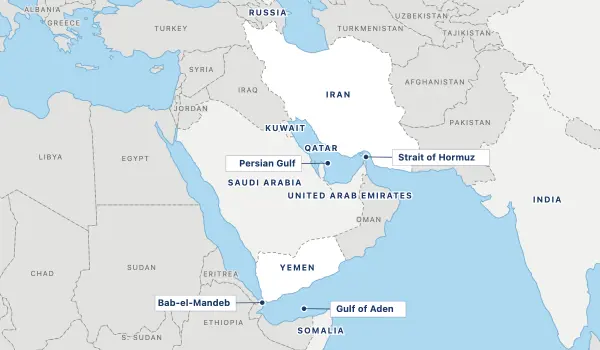
No country can defend all eight major transit choke points simultaneously. No nation or coalition can keep global sea lanes safe anymore.
 6:18
The Great Oil Split Has Begun
Peter Zeihan
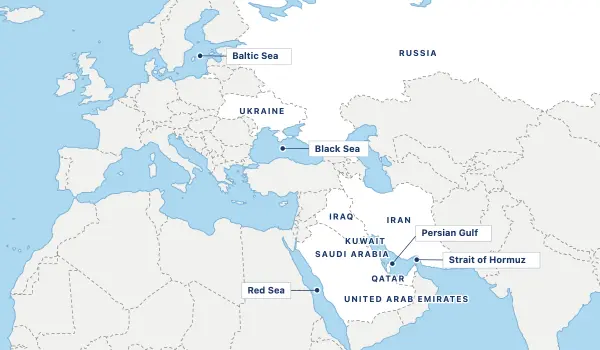
The United States has a functional ceiling on its energy prices of around $70 while Europe and Asia pay double or triple that amount due to transport disruptions. This fragmented market state is going to be the norm for the bulk of the next 20 years.
 42:34
The U.S. National Debt Just Reached a Bleak Milestone
 Paul J. Warburg
The U.S. debt is not a solvable problem because it funds the economy, and the real risk is inflation from printing money. We must focus on the complex system as a whole rather than just the symptoms like high debt numbers.

AI-generated summary · model qwen3.5:9b-12k · prompt version whole-3.window-7.combine-10.s-f4be8e ·
video id j5g0Ud8i0C0 ·
Watch on YouTube