China Just Lost Its Best Chokehold On The Global Economy
 Paul J. Warburg
26 min
China's long-term strategic hold on the global economy through rare earth metals is ending because its heavy rare earth supply is finite while other nations have untapped reserves. The geopolitical landscape is reversing as China faces a genuine supply shortage of heavy rare earths while the world develops alternatives.
Chapters
-
0:00
China's Dominance Over Rare Earth Metals
China currently supplies approximately 70% of global rare earth mining and 90% of processing, creating fear among other nations. This dominance allowed China to use economic coercion, such as threatening Japan with export bans to disrupt weapon production. The situation involves critical metals required for modern technologies like weapons, data centers, and electric vehicles.
-
2:06
The Changing Geopolitical Landscape
A major reversal is expected within five to ten years, where China may become dependent on the rest of the world for supplies. This shift challenges the long-held assumption that China's control is permanent and unassailable. The change is verifiable and backed by facts from Chinese officials themselves.
-
8:31
Environmental Factors and Historical Context
Western nations stopped processing rare earths decades ago due to environmental damage, allowing China to dominate. In the 1980s, other countries welcomed China's growth as a trading partner, but sentiment has now shifted to fear and coercion concerns. The willingness to tolerate Chinese control has rapidly decreased as geopolitical threats have increased.
-
16:23
Misleading Data on Rare Earth Reserves
Public data often focuses on profitable reserves, which makes China appear dominant, but total available reserves tell a different story. The United States and Canada hold significant untapped deposits, such as 13 million metric tons in the US and 14 million in Canada. In a conflict scenario, these nations could access enough resources to function even at higher costs.
-
19:23
Low Military Consumption and Strategic Alternatives
Military applications consume only a tiny fraction of global demand, specifically just 0.1% according to the Department of Defense. Most rare earth usage is for electric vehicles and wind turbines, which have viable alternatives during wartime. Recycling existing materials can also supply a good portion of future demand without new mining.
-
23:08
China's Vulnerability with Heavy Rare Earths
Heavy rare earth metals are genuinely scarce and essential for high-performance weapons, creating a long-term bottleneck for China. China estimated only 15 years of supply remained in known deposits as recently as 2010, despite slowing their burn rate. Other nations possess untapped stockpiles that China lacks access to, reversing the traditional power dynamic.
Key points
- 0:00
China currently supplies approximately 70% of global rare earth mining and 90% of processing.
- 1:02
China used its control over rare earths to threaten Japan with economic action last year.
- 1:47
Within five to ten years, China may become dependent on the rest of the world for its rare earth supplies.
- 7:44
Western nations stopped processing rare earths decades ago due to environmental damage, allowing China to dominate.
- 16:07
The USGS has surveyed about 13 million metric tons of rare earth deposits in the United States.
- 16:07
Canada holds approximately 14 million metric tons of rare earth reserves.
- 17:02
The Department of Defense consumes only 0.1% of global rare earth demand.
- 22:19
China estimated it had only 15 years of heavy rare earth supply remaining in known deposits as of 2010.
- 22:19
Heavy rare earth metals are genuinely scarce and required for high-performance weapons applications.
- 24:12
China will likely beg other countries for access to heavy rare earths as its domestic supply runs out.
- 22:19
Other nations possess untapped stockpiles of heavy rare earths that China lacks access to.
On the map
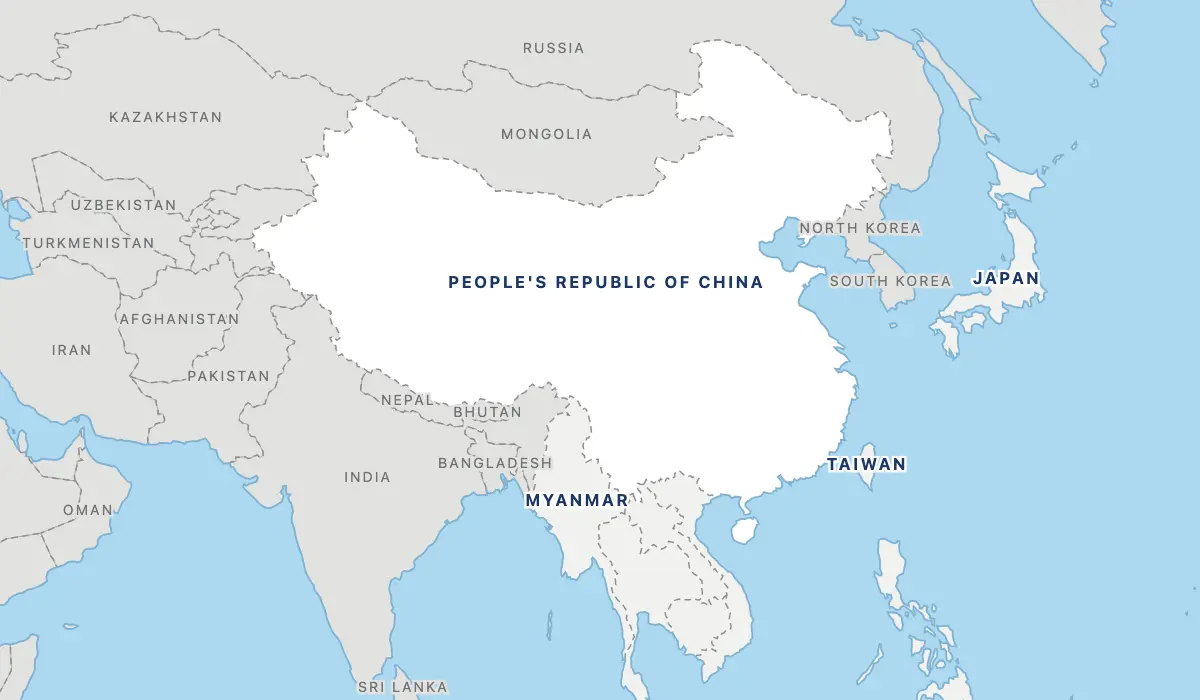
Who and where
Places · 10
- People's Republic of China 58
- United States 11
- Greenland 2
- Australia 2
- Brazil 2
- Taiwan 1
- Myanmar 1
- Southeast Asia 1
- Canada 1
- Japan 1
Organisations · 5
- United States Department of Defense 2
- Western world 2
- United States Geological Survey 1
- Federal Government of the United States 1
- government of the People's Republic of China 1
Related episodes
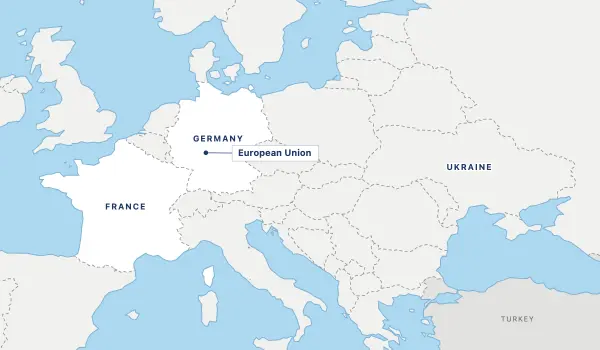 19:38
China Just Got Some Terrible News
Paul J. Warburg
China is afraid of losing Western markets and will not use coercion tactics that threaten its economic survival. Today, China, which traditionally has been more adversarial, finally got a really good check put in place on them.

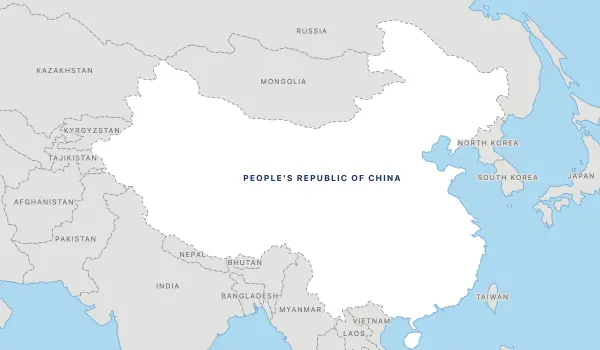 3:04
Project Vault Doesn't Solve the Mineral Problem
 Peter Zeihan
Project Vault fails to solve the mineral problem because most critical materials processing is done in China. Without diplomacy to secure resources from Canada, Australia, and Brazil, the initiative remains a rounding error.
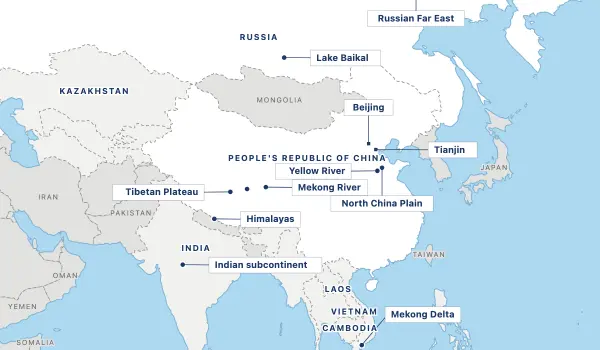 21:55
China’s Biggest Problem Just Got SO MUCH Worse
Paul J. Warburg
China's water shortage puts them at a structural disadvantage against AI competitors and increases their incentive to provoke water conflicts. China's only real solution is geopolitical, potentially involving damming rivers or bringing water from Russia.
 5:08
China's Hold on Congolese Cobalt
Peter Zeihan
We must learn to get by with less because business as usual for tech advancement will simply not fly. More likely, the business as usual of tech advancement that we become used to is simply not going to fly.
 28:31
Something Utterly Bizarre Just Happened in China
Paul J. Warburg
China's technological dominance masks a fundamental weakness caused by massive debt and a lack of domestic energy resources. In the net, in China, what we see is a house of cards that is reported on as if it were a house of steel.
AI-generated summary · model qwen3.5:9b-12k · prompt version whole-5.window-7.combine-10.s-f4be8e ·
video id TUK_WjFMFfE ·
Watch on YouTube