Why a Russian-Chinese Pipeline Won't Happen
 Peter Zeihan
4 min
The Chinese see the Russians as backwards barbarians and the Russians see the Chinese as peasants. Whenever Putin and Xi get together, the conversation always is, hey, let's do a pipeline.
-
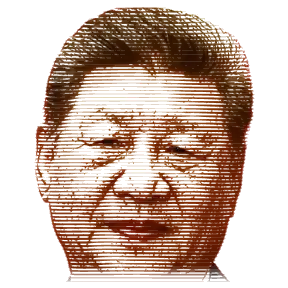 Xi Jinping
-
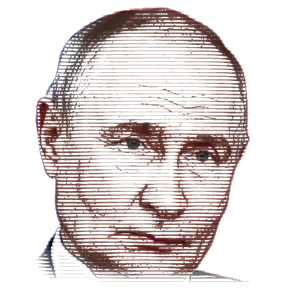 Vladimir Putin
Chapters
-
0:00
The Mistrust Between China and Russia
China and Russia do not love each other; they are arguably two of the most racist cultures in the world, and the culture that they're most racist against is one another. The Chinese see the Russians as backwards barbarians and the Russians see the Chinese as peasants.
-
0:20
The Geographic Distance Problem
It's simple geography. It's a distance issue. The population of Russia for the most part is hard up on the European boundary and the bulk of the Chinese population is within spitting distance of the Pacific coast, which leaves something like seven to eight thousand miles of great wide open empty in between. If you're going from European Russia to Asiatic China, you're already talking about pumping costs that are well over $80 a gallon, most likely. That's on top of the tens of billions of dollars that it would take to actually build the pipeline. The oil and natural gas that the Russians have is for the most part in the wrong place. It's almost all in northwestern Siberia, which is actually further from China than European Russia.
-
2:44
The Lack of Technical Skill
There are a few fields going out into Asiatic Siberia, places like Kovikta and Sokhalin Island. The problem here is that the Russians don't have the technical skill that's necessary to tap these fields. Whenever Putin and Xi get together, the conversation always is, hey, let's do a pipeline. And they both always say, yeah, hey, that sounds great. And then they both point at the other one and say, and you pay for it.
Key points
- 0:20
The Chinese see the Russians as backwards barbarians and the Russians see the Chinese as peasants.
- 0:20
The population of Russia for the most part is hard up on the European boundary and the bulk of the Chinese population is within spitting distance of the Pacific coast.
- 0:20
You're already talking about pumping costs that are well over $80 a gallon, most likely.
- 0:20
It's almost all in northwestern Siberia, which is actually further from China than European Russia.
- 2:44
The problem here is that the Russians don't have the technical skill that's necessary to tap these fields.
- 2:44
Whenever Putin and Xi get together, the conversation always is, hey, let's do a pipeline.
On the map
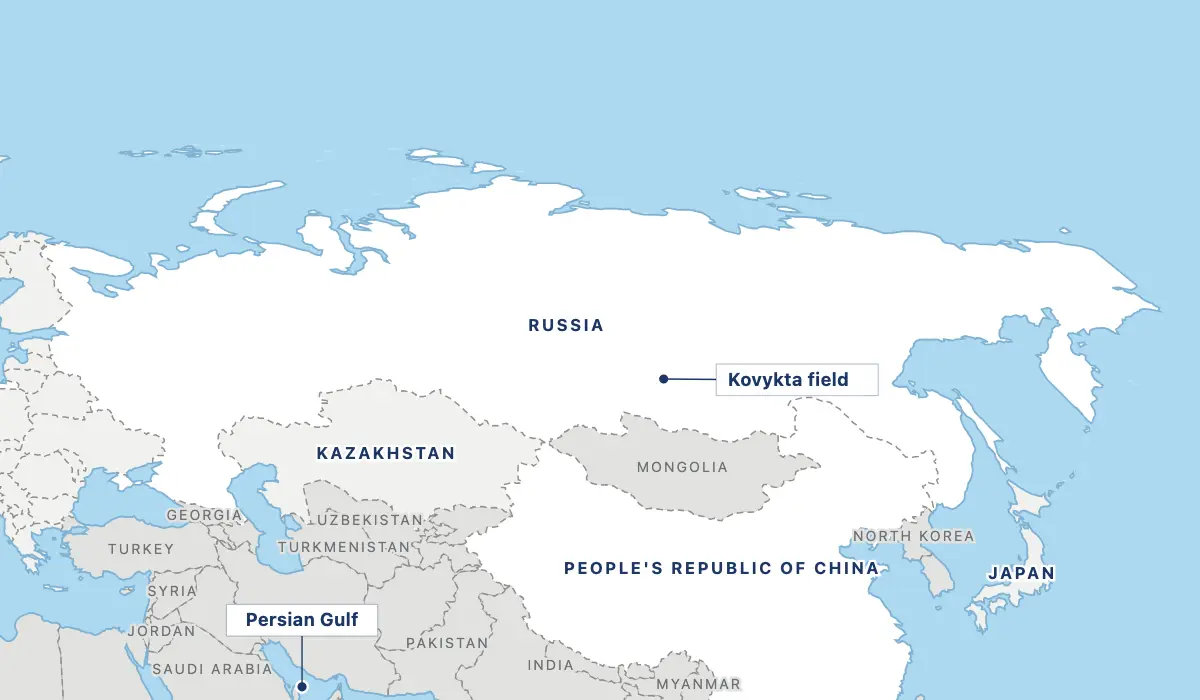
Who and where
Places · 7
- Russia 12
- People's Republic of China 4
- Kovykta field 2
- Kazakhstan 1
- Persian Gulf 1
- Japan 1
- Europe 1
People · 2
-
Xi Jinping 1
General Secretary of the Chinese Communist Party since 2012 (born 1953)
Photo 1
-
Vladimir Putin 1
President of the Russian Federation
Photo 2
1. Photo: Presidencia de la República del Ecuador, Public domain, via Wikimedia Commons · Wikidata · redrawn in our house style (Xi Jinping)
2. Photo: Пресс-служба Президента России, CC BY 4.0, via Wikimedia Commons · Wikidata · redrawn in our house style (Vladimir Putin)
Organisations · 1
- BP 3
Related episodes

Something Very Strange is Starting in Russia's Far East
Paul J. Warburg
Russia is quietly making historical concessions to its neighboring nations due to weakness from war. The scale of weakness, dependence, and concessions is only growing as Russia continues to run lower on men.
 21:55
China’s Biggest Problem Just Got SO MUCH Worse
Paul J. Warburg
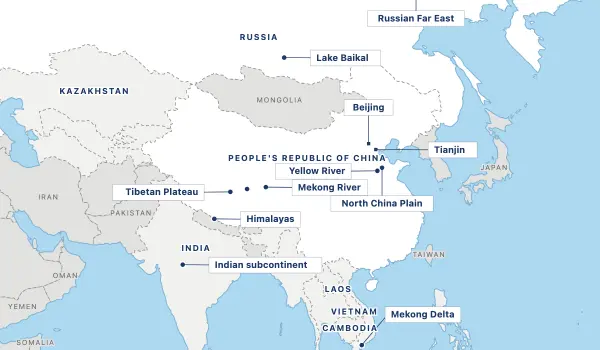
China's water shortage puts them at a structural disadvantage against AI competitors and increases their incentive to provoke water conflicts. China's only real solution is geopolitical, potentially involving damming rivers or bringing water from Russia.
China’s Taiwan Problem Just Got Much Worse - with Greg Terry
Paul J. Warburg
The war in Ukraine has made a Chinese invasion of Taiwan impossible through military means. The West must stop its arrogance and learn from Ukraine's example of winning through unity and action.


Russia Just Sold Their Entire Future to China
Paul J. Warburg
China is exploiting Russia's desperation by extracting massive discounts on resources while selling goods at inflated prices, turning Russia into a resource vassal that ultimately benefits China. Russia has effectively become a modern resource vassal where its resources ultimately benefit China, and this dynamic will likely only get worse.
Bonus Video - Russia: Trump Pulls the Trigger
Peter Zeihan
Trump's current sanctions are insufficient to change Russia's view because they lack the scale and administrative capacity needed for a total embargo. The Trump administration faces significant challenges in building the government structures required to enforce effective secondary sanctions.
AI-generated summary · model qwen3.5:9b-12k · prompt version whole-3.window-7.combine-10.s-f4be8e ·
video id QfjQAvzAnn4 ·
Watch on YouTube