What's Up with the Middle East: Saudi Oil Slips
 Peter Zeihan
7 min
Saudi Arabia must resort to terror attacks to drive rivals offline because the US no longer needs its oil. Saudi Arabia will face significant policy change as it becomes apparent to them that the American relationship is over.
-
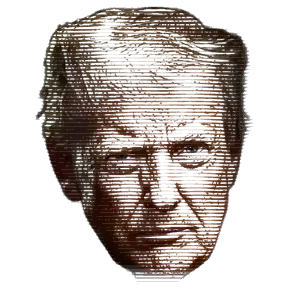 Donald Trump
Chapters
-
0:00
US Oil Demand and Supply Shifts
The US has reduced domestic oil consumption while increasing exports of refined products, shifting from a net importer to a major exporter. China has overtaken the US to become the world's largest oil importer and consumer due to its price-insensitive industrial expansion.
-
2:01
Saudi Arabia's Security Dilemma
Saudi Arabia relies on the US for security but faces a broken relationship as the US no longer needs Middle Eastern oil.
-
2:29
Loss of OPEC Market Control
OPEC's ability to manipulate prices is gone because shale production can ramp up quickly, unlike Saudi spare capacity. Russia, Kazakhstan, and Azerbaijan are increasing production independently, preventing Saudi Arabia from controlling global supply. With diplomacy failing, Saudi Arabia may return to using terror attacks as its primary tool to influence oil markets.
-
4:41
Failed Economic Diversification
Saudi Arabia's plan to build a giant linear city failed, leaving them with no alternative economic strategy.
-
5:06
Necessity of Driving Rivals Offline
The only reliable way for Saudi Arabia to raise oil prices is to force major producers out of the market through violence. The US now demands massive financial investment from Saudi Arabia in exchange for any security involvement.
-
6:13
Saudi Economic Vulnerability
Saudi Arabia cannot meet US investment demands due to its large population and high subsidy costs.
Key points
- 0:00
US oil demand has dropped significantly over the last 15 years despite increased exports.
- 0:00
China is now the world's largest oil consumer due to price-insensitive industrial growth.
- 2:01
The US no longer needs Middle Eastern oil for its own security or consumption.
- 2:29
Shale production can ramp up in weeks, unlike Saudi spare capacity which takes months.
- 2:29
Russia, Kazakhstan, and Azerbaijan are increasing crude output independently of OPEC.
- 4:41
Saudi Arabia's plan to build a giant linear city failed to attract investment.
- 5:06
The only reliable tool left for Saudi Arabia to raise prices is terror attacks.
- 5:06
Saudi Arabia must drive other major producers offline to regain control over oil prices.
- 5:06
The US demands $600 billion in investment from Saudi Arabia for security involvement.
- 6:13
Saudi Arabia cannot meet these demands due to its large population and high subsidy costs.
Who and where
People · 1
-
Donald Trump 1
President of the United States (2017–2021; since 2025)
Photo 1
1. Photo: Daniel Torok, Public domain, via Wikimedia Commons · Wikidata · redrawn in our house style (Donald Trump)
Related episodes
Should the US Stay in the Middle East?
Peter Zeihan
The primary reason for US involvement was to maintain an alliance against the Soviet Union, not just oil. Every time we do truly nationalist and really do ostrich down, something happens in the Eastern Hemisphere that draws us back in in a very ugly way that costs us hundreds of thousands of lives.
Oil Markets Aren't Worried About Iran
Peter Zeihan
The United States shale revolution means the Middle East doesn't matter nearly as much as it used to. Even if Iran attempts a land invasion of Saudi Arabia, the operation would be hugely costly or lead to the end of the Iranian government.
Winners and Losers of the Iran War: Ukraine and Russia
Peter Zeihan
The region used to export 22 million barrels of crude a day. It is now down to probably something between 10 and 12.

The Highs and Lows of Burgum's Energy Strategy
Peter Zeihan
The shift to fossil fuels is driven by economic necessity and a specific geopolitical strategy against Russia. The current foreign policy team lacks competence, making the pragmatic energy strategy even more critical despite its long timeline.


Everyone Keeps Getting This Wrong About the Iran War
Paul J. Warburg
The global system has checks and balances that prevent an Iranian blockade from causing the catastrophic financial ruin predicted by headlines. The crisis shrinks in size at each level of response, making the situation far less concerning than projected.
AI-generated summary · model qwen3.5:9b-12k · prompt version whole-3.window-7.combine-10.s-f4be8e ·
video id JHM8BlDNtaA ·
Watch on YouTube