Iran
country in Western Asia
Named more than in passing in 21 episodes, from 2 October 2025 to 9 November 2026: Peter Zeihan 18 · Paul J. Warburg 3. Wikidata
2026 · 20 episodes
2025 · 1 episodes
November 2026 · 3
 6:05
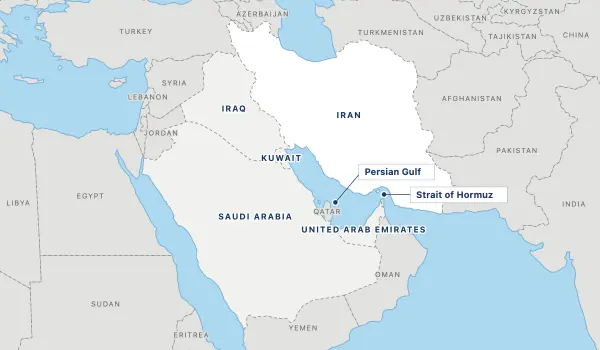
A New Explosive Threat in the Persian Gulf
 Peter Zeihan
Conventional commercial shipping in the Persian Gulf is probably going to collapse because there is no good defense against speedboat attacks. The cost for the civilian shipping sector to try to cope with this is immense and will absolutely change the cost structure of how shipping happens.
 5:38
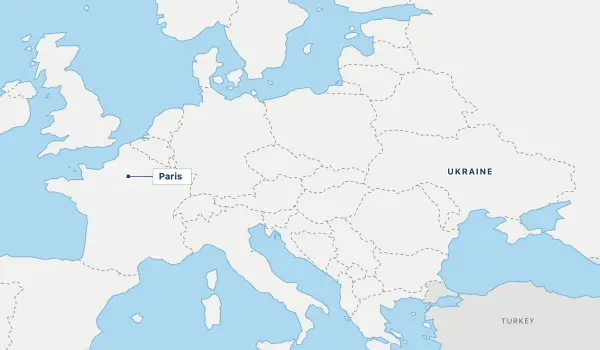
The Paris Accords Can't Stop Climate Change
Peter Zeihan
The Paris Accords cannot stop climate change because they lack necessary funding and rely on a globalized system that is now breaking down. By the end of the century, we need to be starting to consider things like five and maybe even six.
 18:12
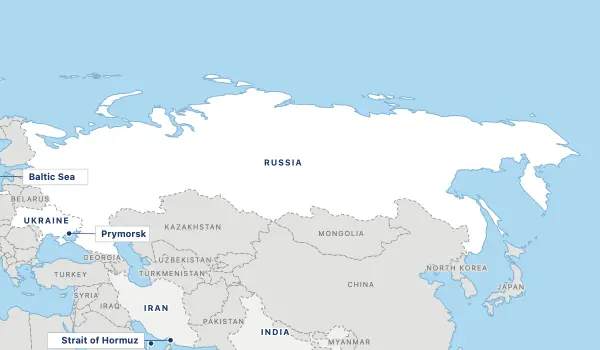
Russia’s Oil Nightmare Just Returned IN FORCE
 Paul J. Warburg
Russia faces a catastrophic financial scenario because its own data predicts oil prices will drop to $53 per barrel while it loses customers and production capacity. The point is, Russia already had their luck, and now their luck has run out.
October 2026 · 7
 3:00
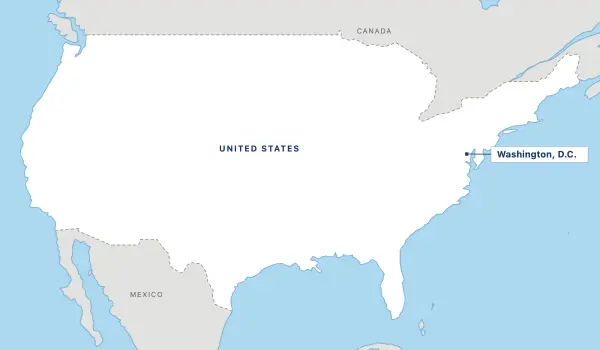
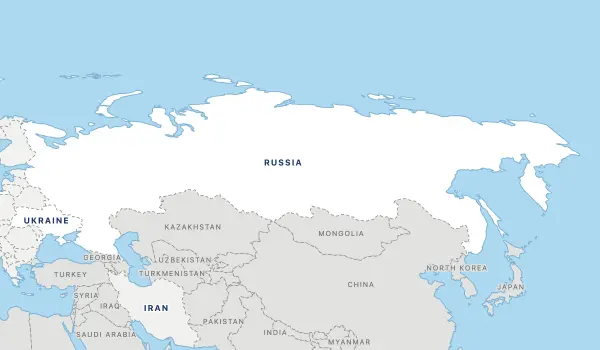
The Turn: Demographics Meet Deglobalization
Peter Zeihan
The United States will surrender its position in the Eastern Hemisphere before the end of the Trump administration. Everyone will soon notice major disruptions in agriculture due to these changing global mechanics.

 22:01
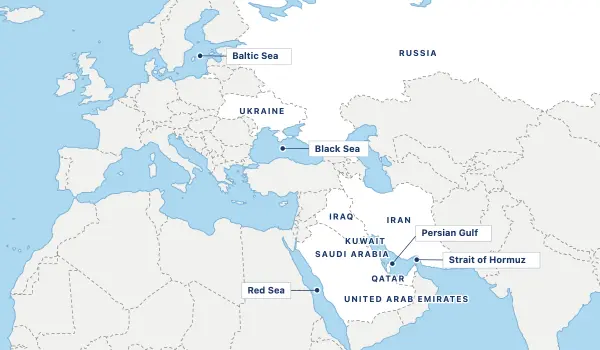
Russia’s Tech Companies Just Entered Full Panic Mode
Paul J. Warburg
Russia is facing a permanent, systemic crisis in its cloud infrastructure that will worsen over time due to destroyed capacity and lack of global redundancy. The true scale of the damage remains hidden because both cloud companies and the Russian government suppress negative information to protect their interests.
 6:18
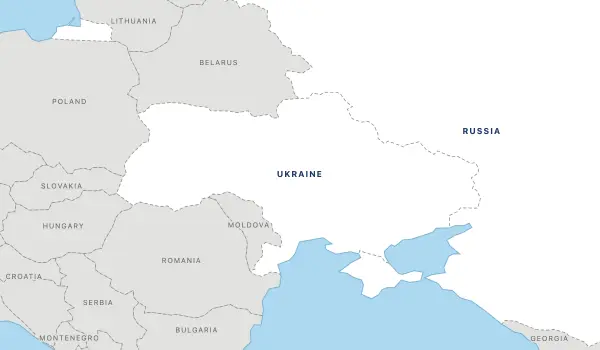
The Great Oil Split Has Begun
Peter Zeihan
The United States has a functional ceiling on its energy prices of around $70 while Europe and Asia pay double or triple that amount due to transport disruptions. This fragmented market state is going to be the norm for the bulk of the next 20 years.
 5:48
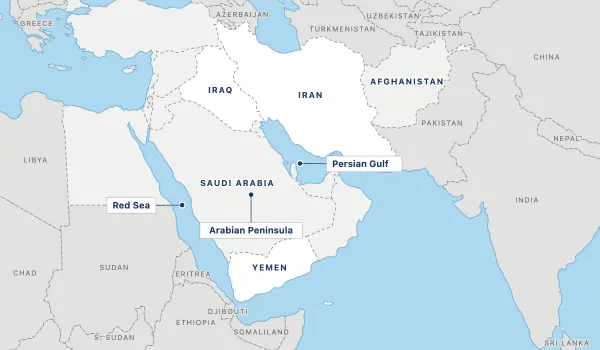
Ground Drones Hit the Frontlines in Ukraine
Peter Zeihan
The emergence of ground drones makes it very difficult for any sort of projection-based military to push force somewhere else. We're not going to figure that out in six months.
 5:53
Should the U.S. Military Invade Yemen?
Peter Zeihan
The United States faces an ugly choice between a difficult military occupation or accepting Iranian control over Gulf energy. A military solution is too involved to recommend, leaving the only viable option as a political deal with Iran.
 33:13
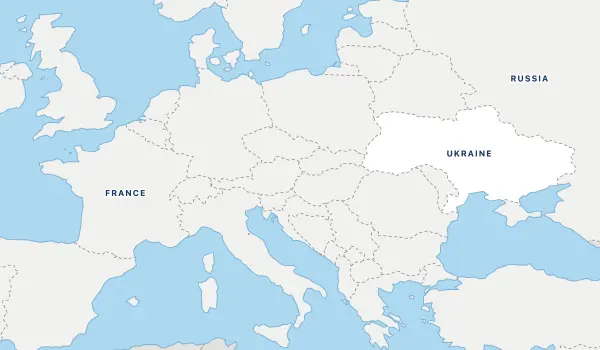
Why I’m Not Worried About Ukraine Losing U.S. Support
Paul J. Warburg
There are absolutely zero concerns that withdrawing U.S. support will create a catastrophe for Ukraine because the U.S. is not providing decisive aid. Public opinion creates a ceiling on how bad things can get, limiting U.S. actions against Ukraine.


 5:39
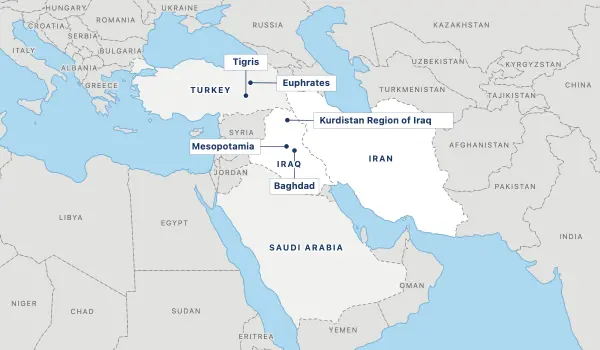
What’s Next for Iraq?
Peter Zeihan
The withdrawal of US troops leaves Iraq unstable, risking Iranian dominance in the south or a return to Sunni rule. Peace in the region is unlikely as history suggests Sunnis will rise again if the system becomes unmoored.

September 2026 · 5
 5:02
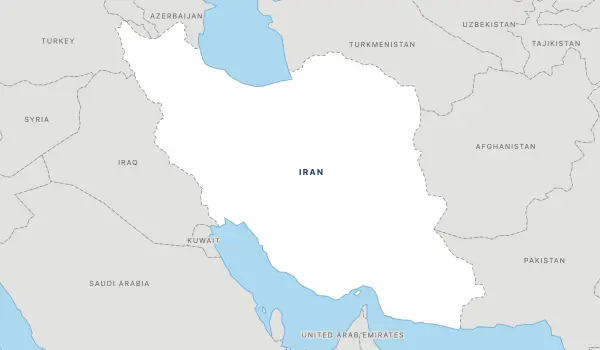
U.S. Sanctions on Iran Take a New Approach
Peter Zeihan
The U.S. aims to make life difficult for the Iranian population so they will rebel and overthrow the government. Two arrogant and increasingly isolated men are pretending that they know what's going on.

 6:07
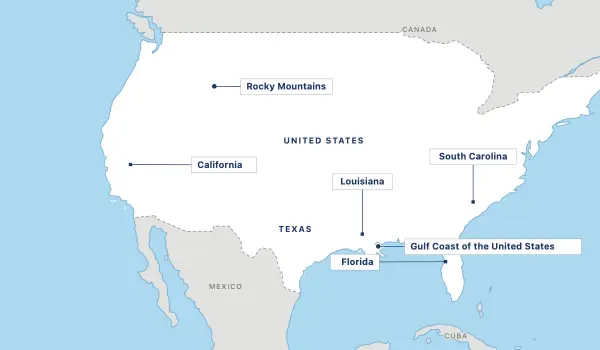
The Diesel Shortage Hits America
Peter Zeihan
Diesel shortages will reverberate through the entire American economy for months. The US faces guaranteed transport problems affecting everything moved throughout the country for at least the next 18 months.
 3:40
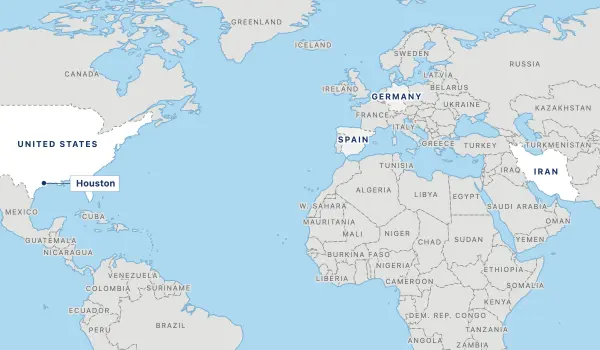
Prize Courts Revived for Iran Seizures
Peter Zeihan
The prize court system is being set up in the southern district which includes Houston. This could mean that the rest of this year is going to get really interesting.
 7:50
Does the Trump Administration Know What's Going On?
Peter Zeihan
The Trump administration lacks awareness because loyalists replaced experts who could provide accurate information. The next president will inherit a lobotomized government structure requiring years to fix.


 +3
 5:27
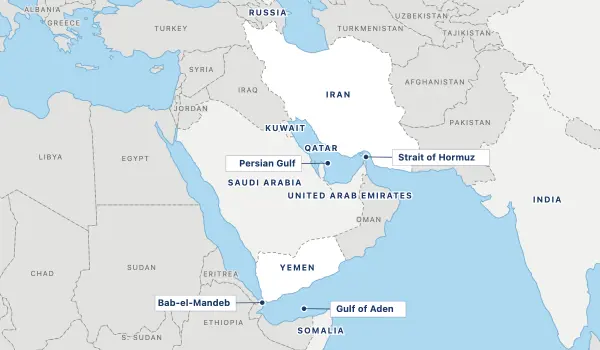
Global Shipping Comes Under Attack
Peter Zeihan
No country can defend all eight major transit choke points simultaneously. No nation or coalition can keep global sea lanes safe anymore.
August 2026 · 5
 3:04
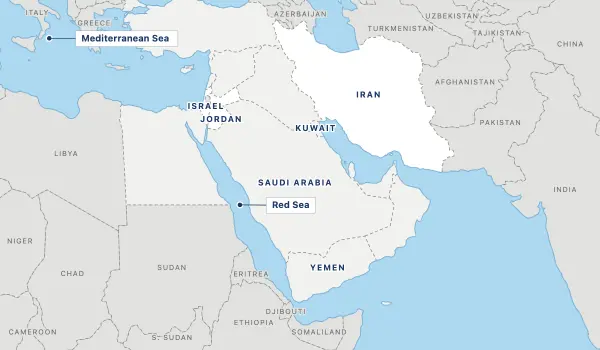
Relocate or Move On from the Middle East
Peter Zeihan
The United States lacks a good defense for these systems because it cannot build enough interceptors to match Iranian drone production. Moving bases to Jordan or Israel fails because Iranian drone ranges are extending daily to cover these areas, leading to a broad-scale American withdrawal from the region.
 3:06
Israel and Turkey Call Dibs on Syria
Peter Zeihan
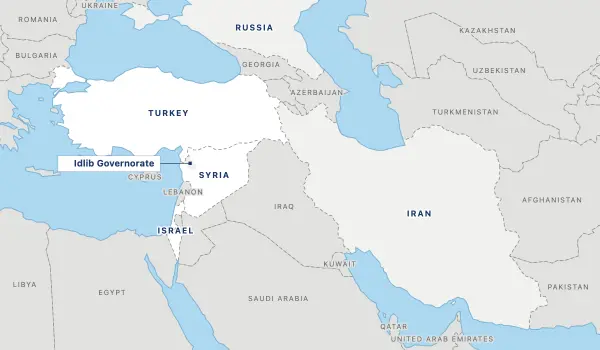
Syria is returning to a no man's land because globalization has ended. Israel and Turkey will struggle over the region without necessarily clashing militarily.

 6:04
The U.S. Chooses Favorites: North Korea over South Korea
Peter Zeihan
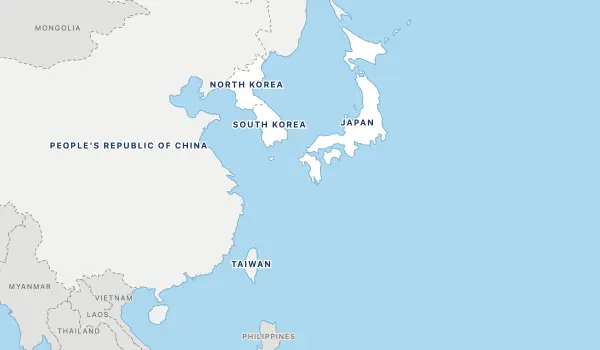
The United States is abandoning South Korea, forcing it to develop nuclear weapons and triggering a regional arms race. The strategic balance of peace in Northeast Asia is ending because South Korea will likely build a nuclear weapon.


 9:10
The Collapse of the World's Strategic Straits - Part 2
Peter Zeihan
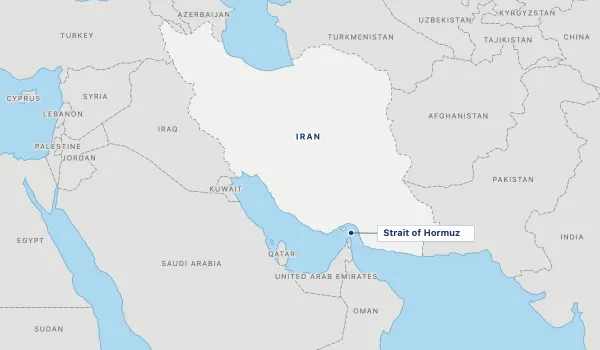
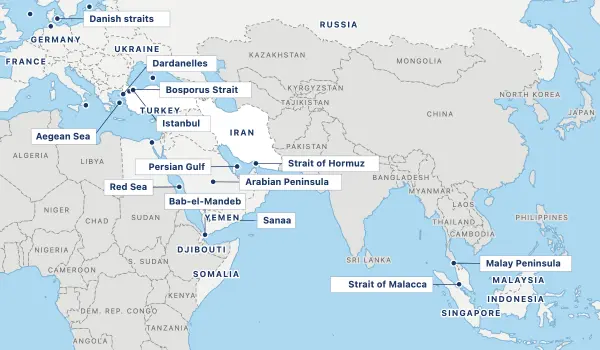
The world is shifting from free international waterways to regulated choke points where local powers charge tolls and restrict global trade. This shift creates a new global order where nations near these straits hold immense leverage over energy and commerce.
 4:49
The Collapse of the World's Strategic Straits
Peter Zeihan
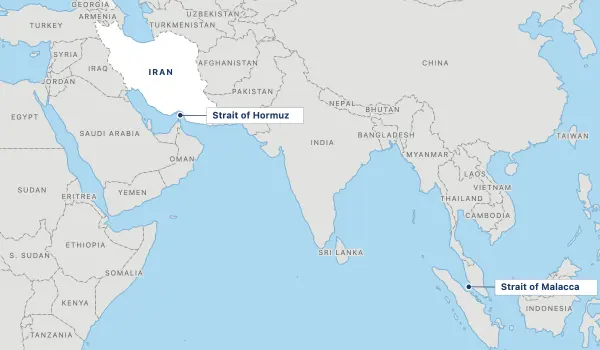
The United States cannot force Iran to keep Hormuz open, leading to its transformation into a toll system. Turning Hormuz into a toll system will formally or informally break over a century of international maritime law.
October 2025 · 1
 10:50
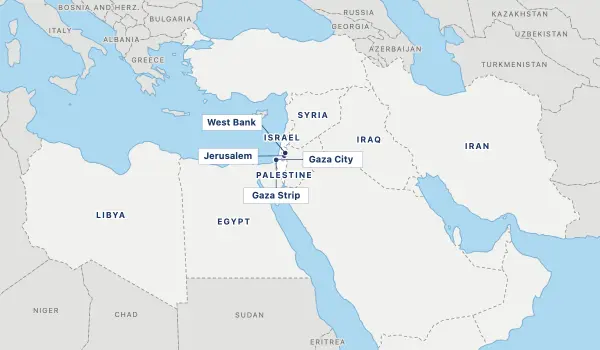
The Most Violent Chapter of Israel and Palestine
Peter Zeihan
The current extreme violence is driven by a unique convergence of strategic emptiness, political incentives for war, and a broken information system. There is literally no place for the Gazans to go if they were to be relocated, so extreme violence will continue.

 +3